
Discover everything about Nanyang Technological University in 2026, including rankings, acceptance rate, tuition fees, scholarships, and admission tips for international students.
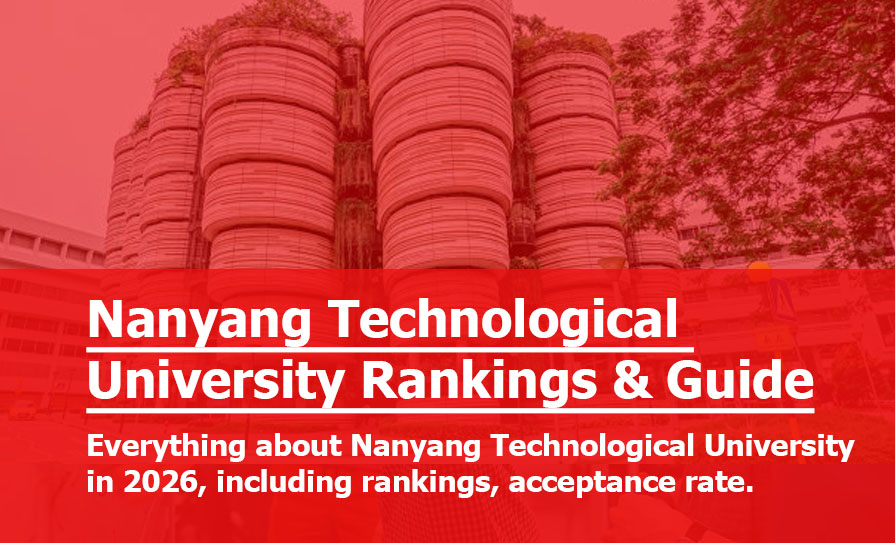
Nanyang Technological University Guide 2026
If you are searching for one of the best universities in Asia for engineering, business, artificial intelligence, research, and global employability, Nanyang Technological University stands near the top of the mountain. Often called NTU Singapore, the university has grown from a technical institute into one of the world’s most respected research universities. Today, students from more than 100 countries travel to Singapore to study there because of its strong global rankings, modern campus, research funding, industry partnerships, and excellent graduate employment outcomes. For many international students, especially those from Africa and Asia, NTU represents a bridge between world-class education and practical career opportunities in technology-driven industries.
The university is especially famous for engineering, computer science, business, sustainability research, robotics, and communication studies. Over the past decade, NTU has consistently ranked among the best universities globally in systems like QS World University Rankings and Times Higher Education rankings. Its rise has been remarkable. Years ago, many students focused mostly on universities in the United States or the United Kingdom. Now, Singapore has become one of the strongest education hubs in the world, and NTU sits at the heart of that transformation. According to global rankings and education reports, NTU frequently competes with elite institutions in America, Europe, and Australia.
Another reason students choose NTU is Singapore itself. Singapore is known for safety, clean infrastructure, efficient transport systems, economic stability, and strong employment opportunities. International students often describe studying there as stepping into the future. The classrooms are modern, the research labs are advanced, and the academic expectations are high. Yet beneath all the technology and innovation lies an old-fashioned academic culture built on discipline, consistency, and rigorous study habits. NTU rewards students who are prepared to work hard and stay focused.
Over the years, NTU’s popularity has increased sharply. As applications grew, admission became more competitive. Acceptance rates have gradually tightened, especially in courses like computer science, medicine, data science, and business analytics. In earlier years, international applicants sometimes had easier pathways into STEM programs. Today, competition is fierce because students worldwide now recognize Singapore as a premium study destination with lower crime rates and strong post-study career pathways. This shift mirrors changes happening across global higher education, where Asian universities increasingly challenge traditional Western giants.
In this complete guide, you will learn everything about NTU Singapore. You will discover admission requirements, acceptance rates, tuition fees, scholarships, rankings, student life, accommodation, campus culture, international student support, and career opportunities after graduation. You will also see comparisons with previous years, understand how competitive admissions have become, and learn what truly gives applicants an advantage. If you are serious about studying abroad in Asia, this guide will help you understand whether NTU is the right fit for your goals.
Quick Facts About Nanyang Technological University
| Feature | Details |
|---|---|
| University Name | Nanyang Technological University (NTU) |
| Location | Singapore |
| Founded | 1991 |
| Type | Public Research University |
| Global Ranking | Top 30 globally in many rankings |
| Famous Programs | Engineering, AI, Business, Communication |
| International Students | Students from 100+ countries |
| Campus Size | One of the largest campuses in Singapore |
| Language of Instruction | English |
| Official Website | NTU Singapore Official Website |
The History and Rise of NTU Singapore
The story of NTU did not begin as a glamorous global institution. Its roots trace back to Nanyang University, founded in 1955 to provide Chinese-language higher education in Southeast Asia. Later, the institution evolved into the modern technological university known today. What makes NTU’s rise fascinating is the speed of its transformation. Many universities take centuries to build worldwide prestige. NTU climbed the ladder within a few decades. That kind of growth does not happen by accident. It happens through deliberate government investment, research funding, international partnerships, and strict academic standards.
Singapore’s government played a major role in this transformation. Unlike countries where universities often struggle with unstable policies or weak infrastructure, Singapore treated higher education as a national strategy. Massive investments flowed into research centers, engineering facilities, biotechnology labs, and artificial intelligence programs. NTU became one of the primary beneficiaries of this educational vision. The university developed partnerships with companies and institutions across the globe, including collaborations with leading organizations in Europe, the United States, and Asia.
During the early 2000s, NTU was already respected in engineering circles. However, its international visibility expanded rapidly after appearing consistently in global university rankings. Students suddenly realized that an Asian university could compete with prestigious Western institutions in research output, graduate employability, and technological innovation. By the 2010s, NTU had become a major destination for international students seeking high-quality education at comparatively lower costs than top American universities. That shift changed the university’s admission landscape dramatically.
The university’s physical campus also became part of its identity. NTU is famous for combining advanced architecture with environmental sustainability. Many visitors describe the campus as futuristic. Green buildings, research hubs, and eco-friendly learning spaces create an atmosphere that feels modern yet calm. This matters more than people realize. Environment shapes academic culture. Students who live and study in well-designed spaces often experience better concentration, stronger motivation, and healthier routines. NTU intentionally designed its environment to support innovation and collaboration.
Today, NTU is no longer merely a “good Asian university.” It is a globally recognized institution with influence across science, technology, business, sustainability, and innovation policy. The university now attracts researchers, entrepreneurs, and multinational employers from around the world. That growth explains why admissions have become far more competitive than they were ten years ago. Students applying today are competing in a global race, not merely a regional one.
NTU Global Rankings and Reputation
One of the biggest reasons students search for NTU is its global ranking reputation. Rankings are not perfect. They cannot fully measure teaching quality, student happiness, or personal growth. Still, rankings influence scholarships, employer perception, immigration opportunities, and international recognition. In those areas, NTU performs exceptionally well. According to major ranking organizations, NTU regularly appears among the top universities globally, especially in engineering and technology disciplines.
QS World University Rankings has consistently placed NTU among the world’s leading universities. In recent years, the university often ranked within the global top 30 overall and even higher for engineering and technology. Programs like electrical engineering, materials science, artificial intelligence, and communication studies receive particularly strong recognition. This matters because employers worldwide often use these rankings as shortcuts when evaluating graduates from unfamiliar countries.
Another important ranking system is Times Higher Education. NTU performs strongly there as well because of research impact, international collaboration, and industry income. Unlike some universities that rely heavily on reputation surveys alone, NTU’s strength comes from measurable research performance and scientific output. The university publishes thousands of research papers yearly and collaborates with major corporations and laboratories globally. That creates opportunities for students who want research exposure or innovation-driven careers.
Compared with previous years, NTU’s international standing has steadily improved. Around a decade ago, students mostly associated elite education with American Ivy League schools or famous British institutions. Today, Asian universities like NTU and the National University of Singapore increasingly challenge that old hierarchy. Employers now recognize that graduates from Singapore universities often possess strong technical training, discipline, and adaptability. In sectors like AI, robotics, sustainability, and fintech, NTU graduates are highly respected.
The university’s reputation also extends beyond academics. Singapore itself contributes to NTU’s image. Companies know that Singapore maintains strong legal systems, efficient governance, and advanced technological infrastructure. As a result, degrees earned there carry credibility. Students who graduate from NTU benefit not only from the university’s name but also from Singapore’s broader international reputation as a knowledge-driven economy. That combination gives NTU graduates a valuable edge in the global job market.
NTU Acceptance Rate and Admission Competitiveness
One of the most searched questions about NTU is simple: how hard is it to get in? The answer depends heavily on your program, nationality, academic background, and application strength. Official acceptance rates are not always publicly disclosed in detail, but estimates suggest that NTU admissions have become significantly more selective over time, especially for international applicants and high-demand courses. Competitive programs may effectively admit only a small fraction of applicants.
Years ago, international students sometimes found easier access to Singapore universities because global awareness was lower. That has changed dramatically. As tuition costs in countries like the United States, Canada, and the United Kingdom climbed higher, many students started looking toward Asia for quality education at better value. NTU became one of the biggest beneficiaries of this shift. Applications surged from India, China, Nigeria, Indonesia, Vietnam, and many other countries. Naturally, higher demand increased competition.
Programs like computer science, medicine, data analytics, engineering, and business now attract exceptionally strong applicants. Students often present near-perfect grades, advanced mathematics backgrounds, competition awards, research projects, and impressive extracurricular achievements. Merely meeting minimum entry requirements is rarely enough anymore. The university increasingly looks for students who demonstrate academic excellence alongside intellectual curiosity, leadership potential, and adaptability.
Another major factor is the English-language learning environment. Since courses are taught in English, international students must usually demonstrate strong English proficiency through exams like IELTS or TOEFL. However, language scores alone do not guarantee admission. NTU evaluates applicants holistically. Academic transcripts, national examination results, recommendation letters, and sometimes interviews all contribute to the decision-making process. Certain programs may also require portfolios or additional assessments.
Compared with previous years, the competition today is noticeably tougher. Before the pandemic era, global student mobility patterns were different. Since then, Singapore’s reputation for safety, economic stability, and efficient public systems has become even more attractive. Many families now view Singapore as a safer and more stable study destination compared with other countries facing political uncertainty or rising living costs. That shift has pushed NTU admissions into a new era of competitiveness.
NTU Admission Requirements for International Students
International admission requirements at NTU vary by country and educational system. Students applying from Nigeria, India, China, the United Kingdom, the United States, or other nations may face slightly different qualification pathways. However, some expectations remain consistent across all applications. Strong academic performance is the foundation. NTU expects applicants to demonstrate excellence in subjects related to their intended major, especially mathematics and science for STEM programs.
For undergraduate admissions, many students apply using qualifications like A-Levels, IB Diploma, national high school certificates, or equivalent international credentials. Nigerian students, for example, often combine WAEC or NECO results with advanced qualifications or foundation pathways. Competitive applicants usually present high grades across core subjects. Engineering applicants need especially strong mathematics and physics backgrounds, while business applicants may need excellent quantitative reasoning skills.
English proficiency remains another essential requirement. Most international students submit IELTS or TOEFL scores unless they qualify for exemptions based on previous English-medium education. Competitive IELTS scores often range above the minimum requirement, especially for popular programs. A student aiming only for the minimum score may technically qualify yet still lose out to stronger applicants. Admissions work like a crowded marketplace. The stronger your profile, the louder your application speaks.
Graduate admissions involve additional complexity. Master’s and PhD applicants often need strong undergraduate GPAs, recommendation letters, research statements, and professional experience. Some programs also require GRE or GMAT scores. Research-based graduate programs particularly value academic publications, research projects, and alignment with faculty interests. Applicants sometimes underestimate how important research fit can be. A brilliant student without alignment may lose to a slightly weaker applicant whose research goals better match faculty priorities.
The application process itself demands careful attention. Mistakes in documentation, incomplete forms, weak personal statements, or poor timing can harm even strong applicants. International students should begin preparing months before deadlines. Gathering transcripts, passports, financial documents, recommendation letters, and English test results takes time. Many successful applicants treat the process like a marathon rather than a sprint. Patience, planning, and consistency often separate successful candidates from rejected ones.
Tuition Fees and Cost of Studying at NTU
Studying at NTU is not cheap, but compared with elite universities in countries like the United States, the value proposition can be attractive. Tuition fees vary by program, nationality, and scholarship status. International students generally pay higher fees than local Singaporean students. Engineering, business, medicine, and specialized technology programs often cost more due to laboratory and infrastructure requirements. Still, many students consider NTU relatively affordable considering its global reputation.
Singapore’s Tuition Grant system is one factor that shapes costs. International students who accept the tuition grant receive substantial fee subsidies from the Singapore government. However, this arrangement may require students to work in Singapore for a specified period after graduation. For many students, that obligation is not necessarily negative because Singapore offers strong employment opportunities in finance, engineering, logistics, technology, and biotechnology sectors. Still, applicants should understand the conditions carefully before accepting grants.
Living costs also matter. Singapore is one of Asia’s more expensive cities, especially regarding accommodation and daily expenses. Yet careful students can manage costs through campus housing, meal planning, student discounts, and public transportation. Compared with cities like London or New York, Singapore may still provide better overall value depending on lifestyle choices. Safety, transportation efficiency, and healthcare quality also reduce hidden stress-related costs that international students sometimes face elsewhere.
Over previous years, inflation and global economic pressures have gradually increased education expenses worldwide. NTU has not been immune to these trends. Tuition fees and accommodation costs have risen over time, although Singapore still remains competitive relative to many Western universities. Families planning for international education should monitor yearly updates carefully because fee structures can change depending on government policy and university funding decisions.
Scholarships provide another pathway for reducing costs. NTU offers merit-based scholarships for outstanding international students. External organizations and governments also sponsor students studying in Singapore. Strong academic records, leadership achievements, and extracurricular excellence improve scholarship chances significantly. For many students, scholarships become the difference between merely dreaming about studying abroad and actually boarding the plane.
Scholarships and Financial Aid at NTU
Scholarships at Nanyang Technological University are highly competitive, but they can dramatically reduce the financial burden of international education. Many students first discover NTU through scholarship searches because Singapore has developed a strong reputation for funding talented students in science, engineering, business, and technology-related fields. Unlike some universities that provide only partial support, NTU scholarships can sometimes cover tuition fees, living allowances, accommodation support, and additional academic grants. That level of support attracts ambitious students from across Africa, Asia, Europe, and the Middle East.
One of the most recognized funding opportunities is the Nanyang Scholarship. This award targets exceptional undergraduate students who demonstrate academic excellence, leadership potential, and strong extracurricular involvement. Winning such a scholarship requires more than good grades alone. NTU wants students who show initiative, resilience, creativity, and long-term potential. Many scholarship recipients participated in competitions, community leadership activities, research projects, or entrepreneurial initiatives before applying. The university seeks future innovators, not merely exam machines.
Graduate students also benefit from extensive research funding opportunities. Singapore invests heavily in scientific research and technological development, so many postgraduate students receive grants tied to research laboratories and innovation projects. PhD students especially may receive stipends, tuition support, and conference funding. For students interested in artificial intelligence, robotics, sustainability science, biotechnology, or materials engineering, Singapore’s research ecosystem creates valuable opportunities. In many ways, NTU functions not just as a university but as a research engine connected directly to industry and government priorities.
Compared with previous years, scholarship competition has intensified sharply. As NTU’s global reputation rose, the applicant pool became stronger and more international. Years ago, outstanding academic grades alone might have created a strong scholarship profile. Today, applicants often need broader achievements to stand out. Leadership experience, volunteer work, startup initiatives, public speaking, coding projects, and social impact activities increasingly matter. The modern scholarship environment rewards well-rounded excellence rather than narrow academic performance alone.
Students should also understand that scholarship applications require strategy and preparation. Weak essays, generic personal statements, or rushed applications often fail. Strong candidates usually spend weeks refining their essays and gathering recommendation letters. They explain not only what they achieved but also why their goals matter. Scholarship committees read thousands of applications. A memorable story told honestly often leaves a deeper impression than polished but empty language. The old truth still holds firm: substance shines brighter than decoration.
Student Life and Campus Experience at NTU
Life at NTU extends far beyond lecture halls and examinations. The university’s campus is often described as one of the most beautiful and advanced university environments in Asia. Located in the western region of Singapore, the campus combines modern architecture, green spaces, research centers, residential halls, and recreational facilities. Many international students say the environment feels like a self-contained academic city. Once students settle into the rhythm of campus life, they often discover that the university experience shapes them personally as much as academically.
Residential life forms an important part of NTU culture. Unlike some universities where students immediately scatter into private apartments, many NTU students live in campus halls during their studies. These residential communities encourage friendships, networking, and cultural exchange. Students from different countries share meals, collaborate on projects, and participate in social events together. For international students far from home, this community structure can ease loneliness and culture shock. A foreign country feels less intimidating when familiar faces surround you daily.
Student organizations also play a major role in campus life. NTU hosts clubs covering entrepreneurship, robotics, sports, debate, performing arts, volunteering, gaming, and cultural activities. Participation in these groups helps students develop leadership skills and build social networks beyond academics. Employers increasingly value soft skills alongside technical ability, so involvement in extracurricular activities often becomes professionally useful as well. Some of the strongest friendships and career connections begin not inside classrooms but during late-night project meetings or club activities.
Singapore’s multicultural environment adds another layer to student life. The country blends Chinese, Malay, Indian, and international influences into daily life. Food courts, festivals, public transport systems, and social interactions reflect this diversity. International students often describe Singapore as one of the easiest Asian countries to adapt to because English is widely spoken and public systems are highly organized. For students arriving from countries with unstable infrastructure or difficult transportation systems, Singapore’s efficiency can feel almost surreal at first.
Over recent years, universities worldwide have increasingly emphasized student wellness and mental health, and NTU has expanded support systems in response. Academic pressure can be intense, especially in competitive programs. Students balancing assignments, internships, financial concerns, and family expectations sometimes struggle silently. NTU now provides counseling services, peer support initiatives, and wellness resources aimed at helping students manage stress more effectively. The lesson is ancient yet timeless: even the brightest minds need rest, balance, and human connection.
Best Courses and Programs at NTU
NTU is widely respected for engineering and technology, but its academic strengths stretch far beyond those fields. The university offers programs across science, business, humanities, communication, medicine, social sciences, and design. Still, certain disciplines have become globally associated with NTU’s identity because of consistent research output, industry partnerships, and employer demand. Students searching for high-impact, future-focused careers often gravitate toward these programs first.
Engineering remains the university’s crown jewel. NTU consistently ranks among the world’s best engineering institutions, especially in electrical engineering, mechanical engineering, materials science, civil engineering, and aerospace studies. Singapore’s industrial and technological ambitions heavily support these programs through research funding and partnerships with multinational corporations. Students benefit from exposure to advanced laboratories, real-world projects, and internship opportunities linked to global companies operating in Asia. In many ways, NTU engineering students train inside a living industrial ecosystem rather than isolated classrooms.
Computer science and artificial intelligence programs have also exploded in popularity. As AI transforms industries worldwide, NTU has invested aggressively in machine learning, cybersecurity, data science, robotics, and computational research. Admission competition for these programs has become particularly fierce because employers globally seek graduates with strong AI and software development skills. Students pursuing these fields at NTU often gain access to research initiatives and startup ecosystems connected to Singapore’s rapidly growing technology sector.
Business education at Nanyang Business School has similarly gained international respect. The business school offers programs in finance, accounting, marketing, business analytics, and entrepreneurship. Singapore’s status as a global financial center strengthens the value of these degrees considerably. Students studying business at NTU frequently interact with professionals from banks, consulting firms, logistics companies, and fintech startups operating throughout Asia-Pacific markets. That exposure creates networking advantages many universities struggle to replicate.
Communication studies, environmental science, biomedical sciences, and sustainability-related programs also attract growing international attention. As climate concerns and digital transformation reshape economies, interdisciplinary education becomes more valuable. NTU has responded by expanding programs that blend technology with policy, communication, ethics, and sustainability. Compared with older university models focused on rigid specialization, NTU increasingly encourages cross-disciplinary thinking. That approach reflects the modern labor market, where future careers often sit at the intersection of multiple fields rather than within isolated academic silos.
NTU vs NUS: Which University Is Better?
One of the oldest debates in Singapore higher education revolves around Nanyang Technological University versus National University of Singapore. Students constantly compare the two because both universities dominate regional rankings and enjoy strong international reputations. The truth is that neither institution is universally “better.” Each has strengths, weaknesses, and cultural differences that suit different students. Choosing between them requires understanding your goals, personality, and academic interests rather than blindly following rankings alone.
NUS traditionally carries broader historical prestige and often ranks slightly higher overall globally. It is especially recognized for law, medicine, public policy, and multidisciplinary research breadth. NTU, meanwhile, built its strongest reputation around engineering, technology, innovation, and applied sciences. Over time, however, the gap between the universities narrowed significantly. In many STEM disciplines, NTU now competes directly with or even surpasses NUS in certain research and ranking categories.
Campus culture also differs subtly. Some students describe NUS as more intense and academically traditional, while NTU often feels more innovation-oriented and technologically focused. NTU’s large green campus gives it a spacious atmosphere that contrasts with NUS’s more urban environment. These differences may sound minor, but daily surroundings shape student experiences deeply. Some students thrive in dense city energy. Others prefer calmer environments that encourage focus and reflection.
International employability outcomes remain strong at both universities. Employers across Asia and increasingly worldwide recognize graduates from both institutions as highly capable. Singapore’s economic stability strengthens both brands internationally. In fields like engineering, AI, fintech, and logistics, NTU graduates compete successfully in multinational corporations around the world. NUS may hold stronger recognition in some Western circles, but NTU’s reputation has risen rapidly over the past decade.
Compared with previous years, the rivalry between NTU and NUS has become more balanced. Earlier generations often viewed NUS as the clear national leader. Today, many students intentionally choose NTU because of specific research opportunities, campus culture, or engineering strength. The rise of technology-driven industries helped NTU gain enormous momentum globally. In the end, the wiser question is not “Which university is better?” but “Which university fits your ambitions best?” A sharp knife and a sturdy hammer are both valuable tools. Their usefulness depends on the work before you.
Career Opportunities and Graduate Employability
One reason NTU attracts thousands of international applicants yearly is graduate employability. Students do not study abroad merely for certificates. Most seek stronger career opportunities, global mobility, financial stability, and long-term professional growth. In this area, NTU performs exceptionally well because Singapore’s economy connects directly with industries shaping the future: technology, engineering, logistics, finance, sustainability, healthcare, and advanced manufacturing.
Singapore’s strategic location in Asia gives graduates access to multinational employers operating across global markets. Companies in finance, shipping, technology, energy, consulting, and biotechnology maintain strong regional operations there. NTU’s partnerships with industries allow students to access internships, networking events, research collaborations, and career fairs throughout their studies. These experiences matter immensely because modern employers increasingly prioritize practical exposure alongside academic achievement. A student with internship experience often holds a significant advantage over equally intelligent peers without industry exposure.
Engineering and computer science graduates particularly benefit from strong demand. Artificial intelligence, machine learning, cybersecurity, robotics, and software development remain high-growth sectors globally. NTU’s technical training aligns closely with these industries, which strengthens graduate employability considerably. Many graduates receive job offers before completing their degrees, especially in STEM-related disciplines. Singapore’s efficient economy and pro-business environment further increase opportunities for skilled international talent.
Business graduates also benefit from Singapore’s status as a global financial and logistics hub. Finance, consulting, supply chain management, and fintech companies actively recruit from NTU. Students interested in entrepreneurship may also find Singapore attractive because the country supports startup ecosystems and innovation initiatives strongly. Compared with some countries where graduates face unstable labor markets, Singapore often provides clearer professional pathways for skilled individuals.
Graduate outcomes have evolved significantly over previous years. As technology reshaped global economies, universities with strong STEM and innovation ecosystems gained increasing value. NTU benefited directly from this shift. Employers now seek graduates who combine technical literacy, adaptability, cross-cultural communication, and analytical thinking. NTU’s international environment helps students build these capabilities naturally. The world no longer rewards knowledge alone. It rewards people who can apply knowledge wisely across changing environments.
Campus Life and Student Experience at Nanyang Technological University
Life at Nanyang Technological University moves with the rhythm of a modern global city, yet the campus itself feels surprisingly calm. The university sits in the western part of Singapore, away from the sharp rush of downtown towers, and many international students say that balance becomes one of NTU’s greatest strengths. You study in one of Asia’s most advanced universities, but you still wake up to greenery, lakes, cycling paths, and quiet study corners. Unlike some universities that scatter buildings across crowded city streets, NTU was designed as a self-contained academic town. That design matters more than many students realize. It creates a strong campus culture because students live, study, eat, and collaborate in the same environment every day. According to the official university campus information published by NTU Singapore Official Website, the campus is one of the largest university campuses in Singapore and includes smart classrooms, innovation labs, sports complexes, residential halls, and research centers connected through efficient transportation systems. That physical structure quietly shapes student life in powerful ways because students spend less time commuting and more time building networks, friendships, and professional connections.
One thing that often surprises new international students is how deeply multicultural the university environment feels. Singapore itself is already a blend of Chinese, Malay, Indian, and international communities, and NTU reflects that same pattern. Walk into a cafeteria and you may hear five accents in ten minutes. Group projects often place students from different countries together, and that experience becomes an education of its own. Employers increasingly value graduates who can work across cultures, and NTU students gain that exposure naturally through daily life. Many Nigerian, Indian, Indonesian, Vietnamese, Middle Eastern, and African students describe NTU as academically demanding but socially welcoming. The transition still comes with challenges, especially during the first semester, yet the university has gradually expanded orientation programs and international student support systems over recent years. After the pandemic years disrupted campus interaction globally, universities across Asia rebuilt community engagement carefully, and NTU invested heavily in student wellness, peer mentoring, and hybrid learning systems. That recovery period changed campus culture permanently because students now expect both digital flexibility and stronger mental health support from universities.
Student accommodation also plays a major role in the NTU experience. Singapore’s housing market is expensive, and many international students specifically target NTU because of its extensive residential hall system. Living on campus reduces transport costs and creates a tighter academic community. Hall culture in Singapore universities carries a strong tradition. Students join committees, organize festivals, participate in sports competitions, and build leadership experience outside the classroom. Some halls become famous for dance competitions, while others develop reputations for entrepreneurship or community service activities. Those traditions may sound small on paper, but they shape confidence and social growth in ways lectures cannot. According to university housing data and student reports published through official channels and education platforms, competition for housing has increased over recent years because international enrollment continues rising across Singapore’s universities. That means students should apply for accommodation early and understand that hall placement is not always guaranteed beyond the first academic year. Still, compared to many global universities where students struggle to find housing independently, NTU’s structured accommodation system remains a major advantage.
Food culture at NTU deserves its own conversation because, in many ways, it becomes part of the emotional memory students carry after graduation. Singapore’s food scene is legendary, and university campuses reflect that heritage strongly. On campus, students can find Chinese dishes, halal meals, Indian food, vegetarian options, Korean meals, Western menus, and affordable local favorites within walking distance. For many international students, especially those coming from countries where food adaptation becomes difficult abroad, that variety reduces homesickness. Meals are relatively affordable compared to restaurants in the city center, which matters deeply for students balancing tight budgets. Small daily realities shape international education more than glossy brochures often admit. If food is inaccessible, if transport is stressful, or if housing feels unsafe, academic performance suffers. NTU performs well because it understands that student success extends beyond classrooms. The university’s campus infrastructure reflects a long-standing Singaporean philosophy: systems should function efficiently and predictably. That practical mindset quietly strengthens the student experience.
Outside academics, NTU strongly encourages innovation and entrepreneurship. Singapore has spent decades building itself into a global technology and finance hub, and universities became part of that national strategy. Students regularly participate in startup competitions, engineering showcases, hackathons, sustainability projects, and industry collaborations. The university works closely with major companies in technology, engineering, artificial intelligence, biomedical science, and finance. That industry integration is one reason NTU graduates remain highly employable internationally. According to global graduate employability rankings and Singapore government employment reports, graduates from Singapore’s top universities consistently maintain strong employment outcomes compared to many other regions. The value here is not merely prestige. It is proximity. Students study close to industries actively shaping the future economy. That connection allows internships, networking opportunities, and research partnerships to develop naturally during university years instead of only after graduation. In an age where degrees alone no longer guarantee employment, that ecosystem matters enormously.
Scholarships and Financial Aid at Nanyang Technological University
Scholarships remain one of the strongest reasons international students explore Nanyang Technological University seriously. Singapore understands that attracting global talent strengthens the country’s long-term economic position, so universities and government agencies continue investing heavily in financial aid programs. Unlike some countries where scholarships are extremely limited for foreign students, NTU offers multiple funding pathways across undergraduate, postgraduate, and research levels. However, competition is intense. Scholarships at top Singaporean universities are not participation trophies handed out casually. They are highly selective awards aimed at students with strong academic records, leadership potential, research ability, or exceptional extracurricular achievement. Many scholarships also consider community impact, innovation mindset, and future contribution to society. That broader evaluation process means students should not focus only on grades. A student with strong leadership experience, volunteer work, and clear career direction may outperform someone with perfect scores but weak overall presentation.
One of the most recognized funding opportunities is the ASEAN Undergraduate Scholarship, although availability and eligibility criteria vary depending on nationality categories and yearly policy adjustments. NTU also provides college-specific scholarships tied to engineering, business, science, humanities, and technology programs. According to the official scholarship information available through NTU Scholarships and Financial Aid, some awards cover full tuition fees, while others include living allowances, accommodation support, and travel grants. Certain scholarships may require bond agreements linked to future employment in Singapore-based organizations, so students must read conditions carefully before accepting offers. Over the years, scholarship competition has grown significantly because Singapore’s global academic reputation has expanded. International student demand surged after universities in Canada, the UK, and Australia faced rising immigration restrictions, housing crises, and visa uncertainties during recent years. As a result, Singapore increasingly appears as a stable alternative for ambitious students across Asia and Africa.
Financial planning still matters even with scholarships. Singapore is safer and more organized than many major study destinations, but it is not cheap. Tuition fees for international students can remain high without funding support, especially in engineering, medicine-related, and business programs. Living costs also continue rising gradually due to inflation and housing demand. Students must budget for accommodation, food, transportation, insurance, books, visa fees, and personal expenses. Some students mistakenly assume scholarship opportunities eliminate all financial pressure, but reality is more complicated. Partial scholarships may reduce tuition without covering daily expenses. Therefore, students should prepare realistic financial plans before accepting admission offers. Wise students treat international education like a long voyage across uncertain waters. Optimism matters, but preparation matters more. Financial stress destroys academic focus faster than many applicants expect.
Another important point involves government tuition grants in Singapore. International students at public universities sometimes receive subsidized tuition rates through government-supported grant systems. In exchange, graduates may need to work in Singapore for a specified period after graduation. That arrangement creates mixed opinions among students. Some see it as a valuable opportunity because Singapore’s economy offers strong employment prospects in finance, technology, logistics, engineering, and biomedical sectors. Others prefer unrestricted post-graduation freedom and choose unsubsidized options instead. There is no universal answer here. Your career goals should guide the decision. If you aim to build experience in Asia’s growing economic market, the bond system may become an advantage rather than a burden. Singapore’s employment environment remains highly competitive, but graduates from institutions like NTU often hold stronger positions in the hiring market compared to graduates from lesser-known universities.
Students should also understand that scholarship applications require strategy, not blind optimism. Strong essays matter enormously. Recommendation letters matter. Interview preparation matters. Many rejected applicants focus entirely on grades while neglecting storytelling. Scholarship committees want evidence that you understand your academic direction and long-term goals clearly. They look for people who can contribute meaningfully to campus life and future society. A compelling application often combines academic discipline with human depth. For example, an engineering applicant who solved practical problems in their local community may stand out more than someone who simply lists awards mechanically. Numbers open doors, but narrative often determines who walks through them. That truth appears repeatedly across competitive scholarship systems worldwide, and Singapore is no exception.
Career Opportunities and Graduate Employability After NTU
For many students, the real question behind university selection is brutally simple: “Will this degree actually lead to a good career?” In the case of Nanyang Technological University, the answer is generally strong. NTU consistently performs well in graduate employability rankings because the university maintains deep relationships with industry sectors tied directly to Singapore’s economic priorities. Engineering, artificial intelligence, finance, sustainability, robotics, business analytics, cybersecurity, logistics, and biotechnology continue expanding globally, and NTU has positioned itself aggressively within those fields. This matters because universities disconnected from industry trends gradually lose practical value, regardless of historical prestige. A degree should not become an expensive museum artifact. It should function as a bridge into opportunity. NTU understands that reality clearly, which explains why internship programs, industry projects, and corporate collaborations receive so much emphasis across the university structure.
Singapore’s location also strengthens employment opportunities. The country operates as a strategic business gateway between East and West. Multinational corporations maintain regional headquarters there because of political stability, infrastructure quality, and strong legal systems. Students studying at NTU gain proximity to those networks during their academic years rather than trying to enter them blindly after graduation. According to employment outcome reports and graduate surveys released through Singapore education authorities and university data, NTU graduates maintain strong employment rates across engineering, computing, and business-related fields. Salaries naturally vary depending on discipline, citizenship status, economic cycles, and experience level, yet the overall graduate outlook remains positive compared to many oversaturated international education markets. That does not mean success arrives automatically. Singapore’s academic and professional culture is demanding. Employers expect technical competence, discipline, communication ability, and adaptability. Students who coast lazily through university often struggle later.
International students should also understand work authorization pathways carefully before making long-term plans. Immigration systems evolve constantly, and policies that existed five years ago may look very different today. Singapore historically maintained a structured but selective approach toward foreign employment. Graduates with high-demand skills usually perform better in securing opportunities, especially in STEM-related sectors. Business, finance, data science, engineering, and computing graduates often hold stronger employment prospects than students in less specialized fields. That pattern exists globally now, not only in Singapore. The world economy increasingly rewards technical specialization and adaptable problem-solving. Students choosing programs purely based on prestige without considering labor market realities may face disappointment later. Dreams matter, yet strategy matters too. Wise students balance passion with economic practicality.
Entrepreneurship has also become a growing pathway for NTU graduates. Singapore actively supports startup ecosystems through grants, incubators, innovation hubs, and venture capital networks. NTU students regularly participate in innovation challenges and startup accelerators connected to technology and sustainability sectors. Some graduates launch businesses directly after university, especially in software development, fintech, logistics solutions, educational technology, and green innovation fields. The university’s strong engineering and research foundation helps support that entrepreneurial culture. Unlike traditional academic systems built purely around lectures and exams, NTU increasingly emphasizes applied innovation. Students are encouraged to build prototypes, solve real-world problems, and collaborate across disciplines. That shift reflects broader global changes in higher education where employers and investors increasingly value creativity alongside technical knowledge.
Still, students should avoid romanticizing international education as a magical guarantee of success. Even elite universities cannot replace personal discipline. Some graduates thrive brilliantly. Others struggle quietly despite prestigious degrees. The difference often comes down to how students use their university years. Those who build networks, complete internships, improve communication skills, and adapt culturally tend to perform better professionally. University opens doors, but students must still walk through them with purpose. NTU provides strong infrastructure, respected academic branding, and access to opportunity. What students build from those foundations depends largely on their own decisions. In many ways, studying abroad resembles planting a tree in foreign soil. The environment may be fertile, but growth still requires patience, resilience, and consistent effort.
Is Nanyang Technological University Hard to Get Into? Acceptance Rate and Competition Explained
One question appears repeatedly among international applicants searching for information about Nanyang Technological University: “How difficult is admission?” The honest answer is straightforward. NTU is highly competitive, especially for international students applying to engineering, computer science, business, medicine-related programs, and data-driven disciplines. Singapore has a relatively small population, yet its universities consistently compete with major institutions from the United States, the United Kingdom, Australia, and parts of Europe. That creates a unique situation where the number of available seats remains limited while global demand continues climbing. Unlike some countries that rapidly expanded university capacity over the past decade, Singapore maintained tighter control over public university growth. The result is a system built around quality and selectivity rather than mass enrollment. Many students see the polished rankings and modern campuses, but behind those achievements sits an admissions process that filters applicants carefully and strategically.
NTU does not publicly advertise a single universal acceptance rate in the same way many American universities do, largely because admissions vary significantly by faculty, nationality category, and academic program. However, international education analysts and admissions observers generally consider NTU selective, with some programs becoming dramatically more competitive over recent years. Computer science and artificial intelligence fields, for example, experienced rising application volumes globally after technology industries expanded aggressively during the 2020s. Engineering programs also remain extremely competitive because Singapore positions itself strongly in advanced manufacturing, robotics, and semiconductor development. According to higher education reporting and global ranking data from organizations such as QS World University Rankings and Times Higher Education, NTU’s international reputation has strengthened consistently over the past decade. As rankings improved, competition intensified naturally. Prestige attracts attention. Attention attracts applications. Applications increase selectivity.
Compared with previous years, admissions pressure appears stronger today than it was before the pandemic era. Several global factors contributed to this shift. First, visa uncertainty and rising immigration scrutiny in countries like Canada, the UK, and Australia pushed more students toward Asian universities with stable international education systems. Second, Singapore’s reputation for safety, economic stability, and graduate employability improved significantly during years when many countries faced political or economic turbulence. Third, technology-focused education became more valuable globally, and NTU’s strengths align closely with future-oriented industries. These trends created a situation where more students now compete for relatively stable enrollment spaces. The old days when students overlooked Asian universities in favor of only Western institutions are fading gradually. Today, many ambitious students see Singapore not as a backup option but as a primary destination.
Academic excellence alone, however, does not guarantee admission. NTU evaluates applicants more holistically than many students expect. Strong grades matter enormously, especially in relevant subjects tied to your intended major, but the university also examines personal statements, extracurricular involvement, leadership potential, competition achievements, and sometimes interview performance depending on the program. For postgraduate and research applications, publications, research experience, and academic recommendations become especially important. Students applying blindly without understanding program expectations often weaken their chances unnecessarily. A student applying to engineering without strong mathematics preparation immediately faces difficulty. Likewise, business applicants lacking leadership or communication evidence may appear less competitive. Admission is not random. Universities search for alignment between the applicant’s background and the academic demands of the program.
International applicants from countries with different grading systems must also understand score conversion expectations carefully. Many students underestimate this part of the process. NTU receives applications from dozens of educational systems worldwide, including British-pattern curricula, IB programs, Indian boards, African examination systems, American transcripts, and Southeast Asian national exams. Admissions officers evaluate context carefully, but students should still provide clear documentation and competitive academic performance. Strong English proficiency scores also remain essential for most international applicants unless exemptions apply. According to official admissions information from NTU Undergraduate Admissions, applicants may need recognized English-language qualifications such as IELTS or TOEFL depending on educational background. Students who prepare strategically, research thoroughly, and apply realistically tend to perform better than those who rely on hope alone.
Comparing Nanyang Technological University With Other Top Universities in Asia
When students compare universities across Asia, one conversation appears repeatedly: NTU versus other major regional institutions. The competition usually includes National University of Singapore, Tsinghua University, Peking University, University of Hong Kong, and leading universities in South Korea and Japan. Each institution carries different strengths, cultural environments, and academic identities. NTU’s reputation rests heavily on technology, engineering, innovation, sustainability research, and interdisciplinary education. NUS, by contrast, often projects a broader comprehensive university image with particularly strong global branding in medicine, law, public policy, and business alongside STEM excellence. Students frequently compare the two Singaporean universities because both dominate regional rankings and maintain strong graduate employability outcomes. Yet their campus cultures feel different in practice.
NTU generally appeals strongly to students who prefer structured campus environments with strong technological focus and modern research integration. Its campus design encourages community interaction because many students live on-site, while NUS feels more urban and decentralized in comparison. Engineering students especially often place NTU extremely high on their preference lists because of the university’s historical strengths in applied sciences and industrial collaboration. According to international ranking systems and subject-specific evaluations from organizations like QS Rankings by Subject, NTU regularly ranks among the world’s strongest universities for engineering and technology disciplines. That consistency matters because subject-specific reputation often influences employment outcomes more directly than overall university rankings alone.
Compared to universities in China, NTU offers a more English-centered academic environment, which becomes a major advantage for many international students. While Chinese universities have risen rapidly in research output and global prestige, language adaptation remains a barrier for some foreign applicants despite increasing English-language programs. Singapore avoids much of that friction because English functions as one of the country’s primary working languages. That linguistic accessibility helps international students transition faster academically and socially. Singapore’s smaller geographic size also creates practical advantages. Transportation is efficient, healthcare systems function reliably, and public safety levels remain exceptionally high compared to many global cities. These daily realities shape the student experience far more than glossy university brochures sometimes admit.
Cost comparison presents a more complicated picture. Singapore is expensive, especially regarding accommodation and living expenses, but tuition and scholarship structures at NTU can still make the university financially attractive compared to American or British institutions charging extremely high international tuition rates. In countries like the United States, students sometimes graduate carrying overwhelming debt burdens. Singapore’s system generally feels more controlled and predictable financially, especially for scholarship recipients or students benefiting from tuition grant arrangements. However, students should not confuse “more affordable than America” with “cheap.” Singapore remains one of Asia’s most expensive cities overall. Budgeting discipline still matters deeply.
Another important distinction involves political and social stability. Over the past decade, many international students and parents increasingly prioritized countries perceived as safe, organized, and economically stable. Singapore benefits enormously from that perception. Universities cannot fully separate themselves from national reputation because students live within broader societies, not only classrooms. Political unrest, crime concerns, infrastructure problems, or immigration instability influence international education decisions heavily. Singapore built its global education brand carefully around efficiency, safety, modernization, and economic opportunity. NTU benefits directly from that national image. Students considering Asian universities increasingly weigh these factors alongside rankings because education abroad is not only an academic investment. It is also a lifestyle and future-planning decision.
Final Verdict: Is Nanyang Technological University Worth It for International Students?
For many international students, especially those pursuing engineering, technology, business analytics, sustainability, artificial intelligence, or science-driven careers, Nanyang Technological University stands as one of the strongest university choices in Asia today. The university combines modern infrastructure, global academic reputation, industry integration, multicultural student life, and strong graduate employability within one of the world’s most stable countries. That combination is rare. Some universities possess prestige but lack practical industry connection. Others offer affordability but weak global recognition. NTU succeeds because it balances academic quality with real-world relevance. The university understands that modern students increasingly judge higher education through outcomes, not only reputation. Graduates want careers, networks, adaptability, and international mobility. NTU positions itself deliberately around those expectations.
Still, students should approach the university with realistic understanding rather than fantasy. NTU is not an effortless path to success. Academic pressure can be intense. Singapore’s fast-paced culture demands discipline and time management. International students may struggle initially with homesickness, cultural adaptation, competitive classrooms, or financial pressure. The weather itself can surprise newcomers because Singapore’s tropical humidity feels relentless to students arriving from cooler climates. Yet challenges often shape growth. Many graduates later describe their adaptation period as one of the most transformative phases of their lives because it forced them to become independent quickly. International education changes people quietly. It stretches thinking patterns, communication habits, and personal resilience in ways difficult to measure on paper.
The university also benefits from being located in a country deeply invested in future industries. Singapore continues expanding aggressively into digital technology, biotechnology, finance, logistics, sustainability innovation, and smart-city development. Students studying within that ecosystem gain exposure to industries shaping tomorrow’s global economy. That matters because higher education increasingly operates within labor market realities. Degrees disconnected from economic demand lose practical strength over time. NTU’s strongest programs align closely with industries still expected to grow globally over the coming decades. Students pursuing these fields often find themselves positioned near the center of major technological and economic transformations rather than watching from the sidelines.
For African students, including applicants from Nigeria, NTU can represent a particularly powerful opportunity because Singapore combines strong education quality with a strategic global location linking Asia, Europe, and international trade networks. Many Nigerian students traditionally focused almost entirely on the UK, Canada, or the United States for study abroad plans. That pattern is gradually changing as Asian universities rise in reputation and influence. Singapore’s universities increasingly compete directly with established Western institutions, especially in STEM-related disciplines. Students willing to think beyond traditional destinations may discover opportunities others overlook. Sometimes the strongest road forward is not always the oldest or most crowded path.
In the end, whether NTU is “worth it” depends on your goals, discipline, financial planning, and academic direction. A university can provide tools, networks, mentors, and opportunities, but it cannot replace personal effort. NTU offers a strong platform. What you build upon that platform depends largely on your own consistency and vision. Students who arrive prepared, adaptable, and focused often leave with global exposure, respected qualifications, valuable professional networks, and meaningful career momentum. Those outcomes explain why NTU’s global reputation continues rising year after year. The university is no longer simply a respected regional institution. It has become part of the broader conversation about where the future of global higher education is heading.