Scholarships

Which Country Is Easiest to Get a Scholarship? #10 to #1

Let’s cut through the fog before we build anything grand. There is no country where scholarships fall like rain on anyone who shows up. Easiest does not mean effortless. It means higher acceptance ratios, broader eligibility, less brutal competition, and clearer pathways. Some countries design their systems to attract large numbers of international students, and in doing so, they loosen the gate just enough for disciplined applicants to walk through. That is where you should look. Not where the spotlight shines brightest, but where the doors quietly open.

Which Country Is Easiest to Get a Scholarship?

Which Country Is Easiest to Get a Scholarship?

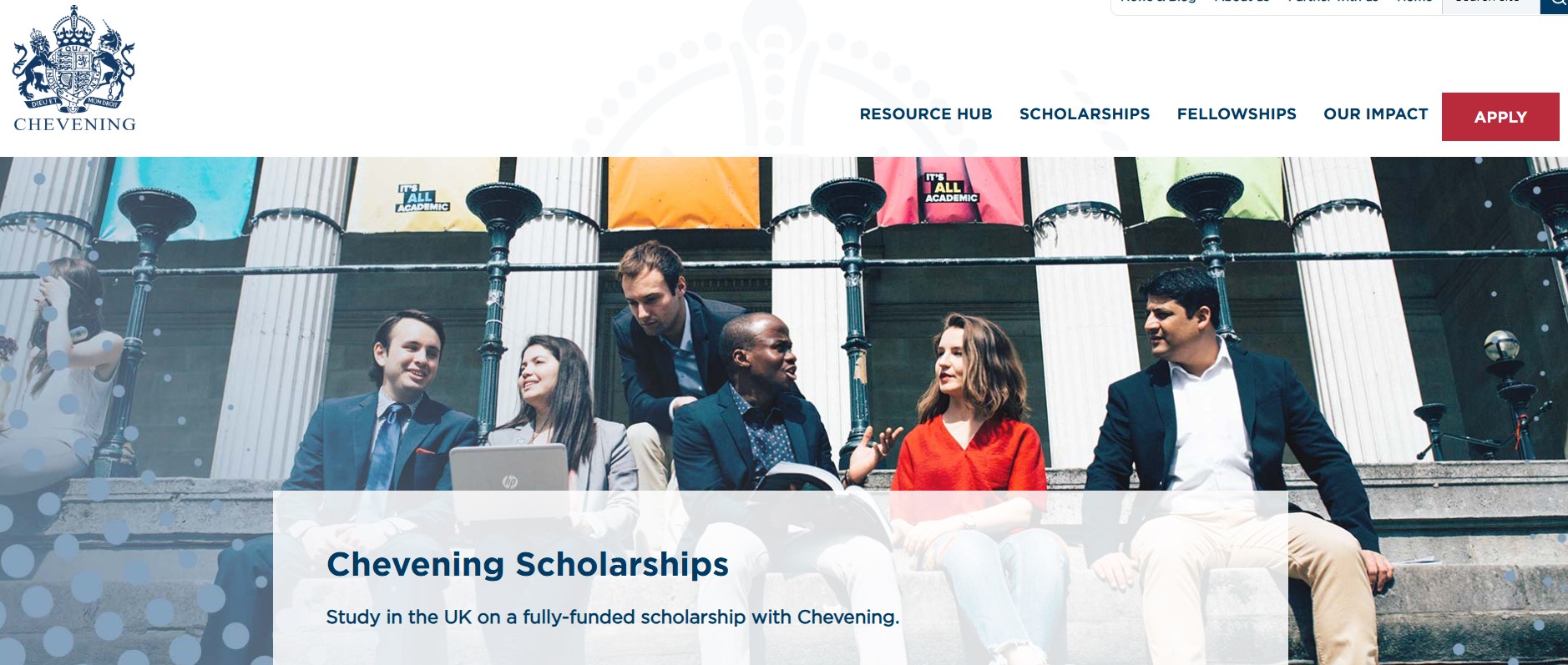
The easiest country to get a scholarship in is Germany. Not because it is generous in a romantic sense, but because its system is built on something far more reliable—structure, scale, and consistency. Public universities charge little to no tuition, and programs like DAAD Scholarships create multiple entry points instead of a single narrow gate. You are not gambling on one opportunity; you are stepping into a system that quietly supports thousands every year.

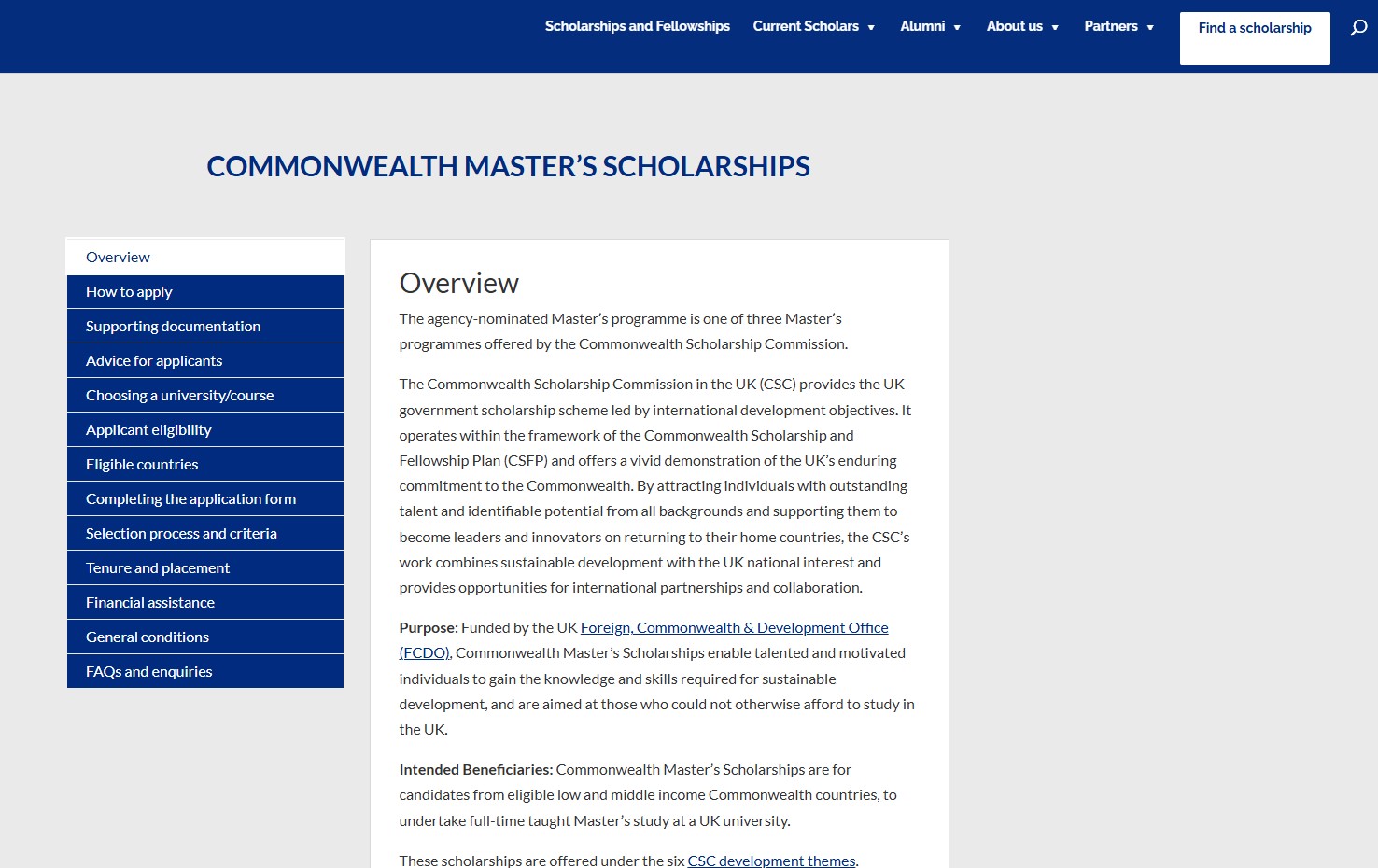
But ease is a dangerous word if you misunderstand it. It does not mean effortless, and it certainly does not mean guaranteed. It means the path is clearer, the requirements are transparent, and the odds are not stacked absurdly against you like they are in places where acceptance rates feel like a lottery. Countries like China and Turkey follow closely behind, offering large-scale government scholarships that widen access even further, while options like Poland quietly reward those who think strategically rather than follow the crowd.

So the truth stands plain: the easiest country is not the most famous one, but the one where opportunity is repeated, structured, and reachable. Choose wisely, prepare properly, and the door will open not by luck, but by design.

Easiest Countries for Scholarship #10 to #1

Discover the easiest countries to get scholarships in 2026. Ranked list with real opportunities, requirements, and success strategies.

Rank Country Key Scholarship System Ease Level
#10 France Eiffel Scholarships Moderate
#9 Japan MEXT Scholarship Moderate
#8 South Korea GKS Scholarship Moderate
#7 Italy DSU Grants Easier
#6 Hungary Stipendium Hungaricum Easier
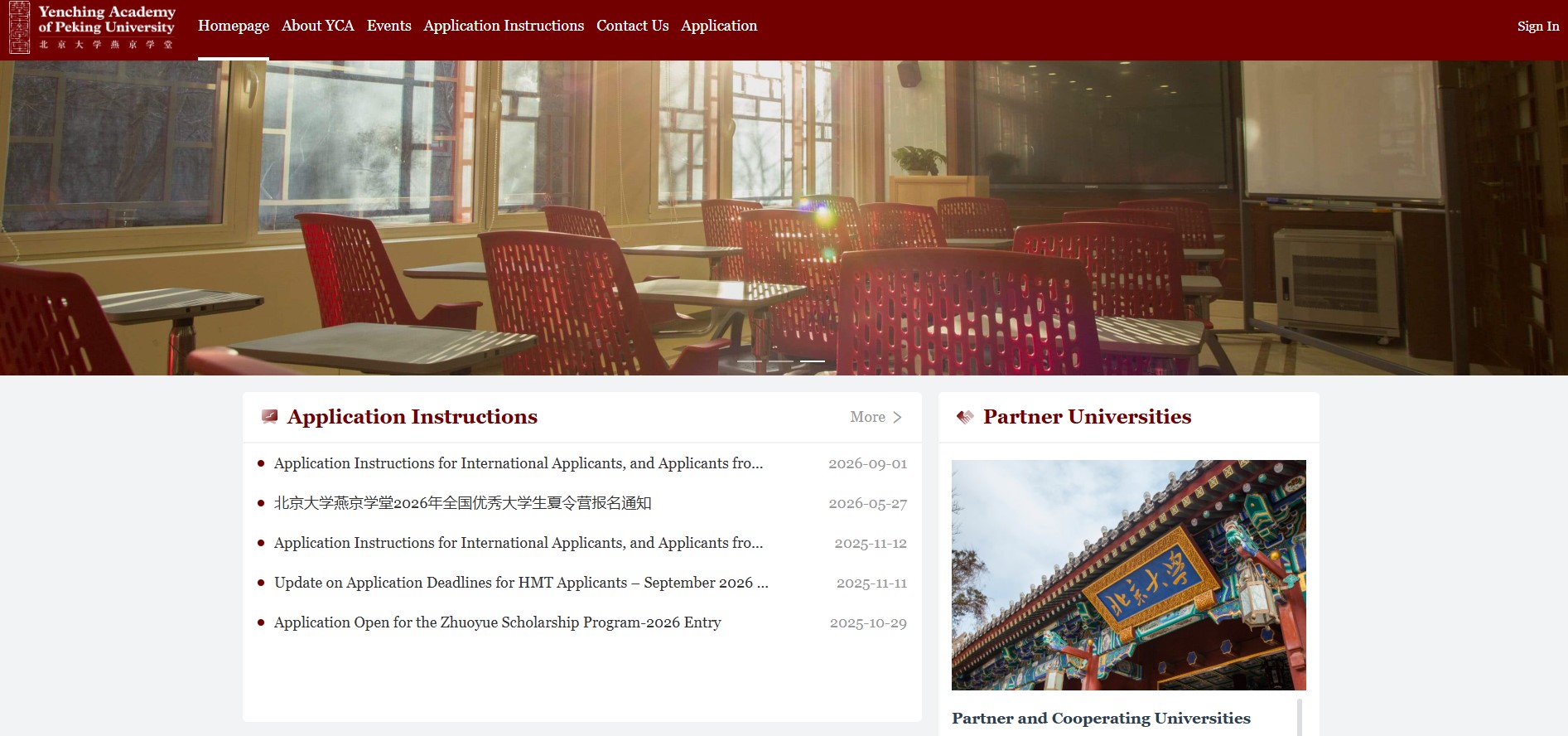
#5 China CSC Scholarship Easier
#4 Turkey Türkiye Burslari Easier
#3 Poland NAWA Programs Very Easy
#2 Norway Public tuition-free system Very Easy
#1 Germany DAAD + Free tuition Easiest

#10. France

France sits at the edge of accessibility and prestige, offering scholarship pathways such as the Eiffel Excellence Scholarship Program that attract high-performing international students to its universities. The country has long maintained a reputation for academic rigor and cultural depth, and its institutions continue to draw students seeking both intellectual and personal enrichment. Tuition fees at public universities remain relatively low compared to other Western nations, which already reduces the financial burden before scholarships even enter the equation. Programs are increasingly offered in English, particularly at the postgraduate level, making access easier for non-French speakers. Cities like Paris, Lyon, and Toulouse create an academic atmosphere that blends tradition with modern global influence. France does not make things easy, but it makes them possible. And possibility is where opportunity begins.

Yet the difficulty lies in selectivity, because flagship scholarships like Eiffel are highly competitive and often limited to specific fields and degree levels. Many applicants misunderstand this and apply blindly, only to face rejection without understanding why. The smarter approach is to combine smaller institutional scholarships with France’s already low tuition costs, effectively reducing your financial burden to manageable levels. Universities themselves often provide partial funding that, when stacked, creates a near-full support system. This layered approach is what turns France from “difficult” to “moderately accessible.” If you approach it with precision, you gain ground. If you chase prestige alone, you lose direction.

#9. Japan

Japan offers structured scholarship opportunities through the MEXT Scholarship, a program that covers tuition, living expenses, and travel for international students. The Japanese government has designed this system to attract global talent while strengthening academic exchange, and the result is a pathway that is demanding but clearly defined. Universities in Tokyo, Kyoto, and Osaka provide world-class education, particularly in science, technology, and engineering fields. The academic culture emphasizes discipline, precision, and long-term commitment, which shapes both the application process and the student experience. Japan does not leave things vague; it sets clear expectations. And those who meet them are rewarded.

However, the process requires patience and preparation, often involving embassy applications, interviews, and academic screenings that stretch over several months. Language can also be a barrier, though English-taught programs are expanding steadily. Many applicants underestimate the importance of aligning their research interests with Japanese academic priorities, which quietly determines success or failure. The scholarship is accessible, but only for those who respect the structure. If you treat it casually, you will be filtered out. If you follow the path carefully, it opens.

#8. South Korea

South Korea has steadily expanded its global academic presence through the Global Korea Scholarship, which provides full funding for international students across undergraduate and postgraduate levels. The program covers tuition, accommodation, stipends, and even language training, making it one of the more comprehensive options available. South Korea’s universities, particularly in Seoul, have built strong reputations in technology, business, and innovation, attracting students who want both academic and professional growth. The government’s investment in education reflects a broader strategy to position the country as a global knowledge hub. It is not accidental. It is deliberate.

Still, accessibility comes with expectations, because applicants must demonstrate academic strength, adaptability, and a willingness to engage with Korean culture and language. The selection process is competitive, but not suffocating, which places South Korea in a middle ground between elite Western systems and more open scholarship models. Those who prepare properly often find success, while those who underestimate the process fall behind. South Korea rewards effort, not luck. And effort, when sustained, tends to win.

#7. Italy

Italy quietly offers one of the more accessible scholarship systems in Europe through regional grants such as DSU, which provide financial support based on income and academic standing. Tuition fees are already modest, and when combined with these grants, students can significantly reduce their overall costs. Universities in Milan, Bologna, and Rome offer a growing number of English-taught programs, making the country increasingly attractive to international students. Italy does not position itself as a “scholarship destination,” yet its structure allows determined students to build a financially sustainable study plan. It is a system built on layers. And layers, when understood, create strength.

The challenge lies in documentation and bureaucracy, because applications require detailed financial records, translations, and strict adherence to deadlines. Many students lose opportunities not because they lack merit, but because they fail to manage the paperwork correctly. Italy demands patience and attention to detail, qualities that are often overlooked but deeply rewarded. If you approach carefully, the system works in your favor. If you rush, it works against you.

#6. Hungary

Hungary continues to stand as one of the most accessible scholarship destinations through the Stipendium Hungaricum, a program that offers full funding with relatively manageable competition levels. The structure is clear, the eligibility criteria are transparent, and the number of available slots is significant compared to many Western programs. Hungarian universities offer a wide range of English-taught courses, and the cost of living remains affordable by European standards. This combination creates a practical pathway for students seeking quality education without overwhelming financial pressure. Hungary does not complicate what can be simple. And simplicity, when paired with opportunity, becomes powerful.

Yet even here, preparation matters, because selection often depends on country-specific quotas and bilateral agreements that influence acceptance rates. Applicants who understand these dynamics can position themselves strategically, while those who ignore them risk unnecessary rejection. The system is fair, but it is not random. Hungary rewards informed applicants. And informed applicants rarely fail.

#5. China

China has built one of the largest scholarship ecosystems in the world through the Chinese Government Scholarship, a program that funds thousands of international students each year across a wide network of universities. The scale alone shifts the odds, because while competition exists, the volume of available slots makes acceptance more attainable than in many Western systems. Universities in Beijing, Shanghai, and Guangzhou offer programs across engineering, medicine, business, and humanities, often with English-taught options that reduce language barriers. The government’s long-term vision is clear: attract talent, build influence, and expand academic exchange. This is not charity. It is strategy. And within strategy lies opportunity.

Yet the real advantage of China lies in multiple entry routes, because applicants can apply through university channels, embassy nominations, or bilateral agreements, effectively increasing their chances if they approach intelligently. Many students fail simply because they apply through only one pathway, unaware that alternatives exist. Academic requirements are firm but not unreachable, and strong documentation combined with a clear study plan often places applicants in a favorable position. The system is wide, but not chaotic. If you understand its structure, you move faster than the crowd. And in China, movement matters.

#4. Turkey

Turkey offers one of the most accessible fully funded programs through Türkiye Scholarships, covering tuition, accommodation, monthly stipends, and even travel costs for international students. The program is centralized, meaning you apply through a single platform rather than chasing multiple institutions, which simplifies the process significantly. Turkish universities provide a mix of modern academic programs and deep cultural heritage, particularly in fields like international relations, engineering, and Islamic studies. Cities like Istanbul and Ankara create an environment where tradition meets modern ambition, shaping a unique student experience. Turkey does not overcomplicate the process. It opens the door, then watches who is ready to walk through.

But accessibility does not mean carelessness, because the selection process still weighs academic performance, personal statements, and future goals carefully. Many applicants underestimate the importance of storytelling in their application, focusing only on grades while ignoring the narrative that ties everything together. Turkey looks for students who will represent the program well, not just academically but culturally and socially. If your application feels hollow, it will not stand. If it carries purpose, it will rise. The opportunity is real—but only for those who present themselves with clarity.

#3. Poland

Poland has quietly emerged as one of Europe’s most accessible scholarship destinations through programs managed by NAWA, offering funding options that combine tuition support with manageable living costs. The country’s universities are steadily improving in global rankings, while maintaining affordability that undercuts much of Western Europe. English-taught programs are widely available, particularly in business, engineering, and social sciences, making Poland an attractive option for international students. The cost of living remains moderate, which means even partial scholarships can stretch further than expected. Poland does not rely on prestige to attract students. It relies on practicality. And practicality, when paired with opportunity, becomes a powerful advantage.

The ease here comes from lower competition pressure, because Poland is still overlooked by many applicants who focus on more popular destinations. This creates a quiet opening for those willing to step off the crowded path. Application requirements are straightforward, and timelines are predictable, reducing uncertainty for applicants who plan ahead. Many students who struggle in highly competitive systems find success here, not because they suddenly became stronger, but because they chose a smarter battlefield. Poland rewards strategic thinking. And strategy often beats raw ambition.

#2. Norway

Norway offers a different kind of advantage, one rooted not in traditional scholarships but in its tuition-free public university system, which significantly lowers the financial barrier for international students. While some recent policy changes have introduced fees for certain non-EU students, many programs and opportunities still exist that make studying in Norway far more affordable than in most Western countries. Universities emphasize research, sustainability, and innovation, reflecting the country’s broader societal values. Cities like Oslo and Bergen provide safe, structured environments where students can focus on academic growth without constant financial strain. Norway does not hand out scholarships in the traditional sense. It removes the burden instead. And that changes everything.

The challenge lies in living costs, which are relatively high, meaning students must still plan carefully for accommodation, food, and daily expenses. However, part-time work opportunities and selective funding programs can offset these costs significantly. Admission processes are transparent, and academic requirements are clear, which reduces uncertainty compared to more opaque systems. Norway rewards independence and preparation, expecting students to manage their resources wisely. It is not the cheapest path—but it is one of the most stable. And stability, in uncertain times, is worth more than convenience.

#1. Germany

At the summit stands Germany, not because it promises the most glamorous scholarships, but because it offers the most consistent and accessible pathway to funded education through tuition-free public universities and programs like DAAD Scholarships. The system is built on clarity, structure, and scale, allowing thousands of international students to study each year with minimal financial burden. Universities across Berlin, Munich, and Hamburg provide world-class education, particularly in engineering, science, and technology fields. Programs are increasingly available in English, while German-language options open even more doors for those willing to adapt. Germany does not rely on chance. It relies on structure. And structure, once understood, rarely fails.

What truly makes Germany the easiest is predictability, because requirements are clear, application processes are standardized, and opportunities are consistently available across multiple institutions. You are not chasing a single scholarship; you are entering a system designed to support you if you meet its criteria. Competition exists, but it is distributed, not concentrated, which increases your overall chances. Students who plan carefully, prepare documents early, and align their goals with program requirements often succeed without needing extraordinary profiles. Germany does not demand perfection. It demands preparation. And preparation, done well, is enough.

Final Truth

The answer is simple, though not easy to accept. The easiest country is not the one with the biggest name. It is the one with the widest door and the clearest path.

  • If you want scale: China
  • If you want simplicity: Turkey
  • If you want strategy: Poland
  • If you want stability: Norway
  • If you want the best balance: Germany

Walk the road with clear eyes. Not chasing prestige. Not chasing noise. But choosing the path where your effort has the highest chance to bear fruit.

LEAVE A REPLY

Please enter your comment!
Please enter your name here