
A nurse-midwife plays a crucial role in healthcare, providing expert care to women during pregnancy, labor, and postpartum. They combine nursing knowledge with midwifery expertise to ensure safe childbirth and maternal well-being.
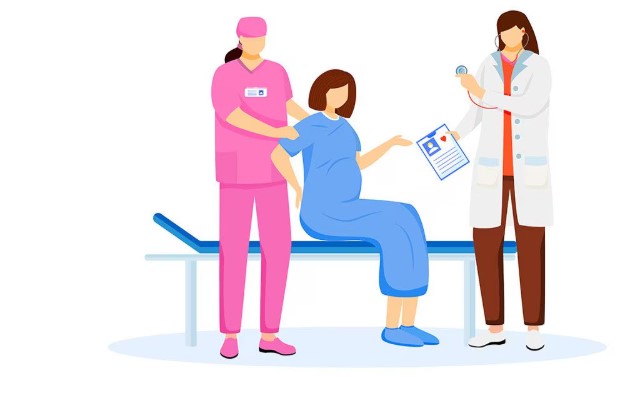
If you are considering a career as a nurse midwife, understanding the job description, responsibilities, qualifications, and career outlook is essential.
Quick Overview Table: Nurse Midwife Job
| Feature | Details |
|---|---|
| Job Title | Nurse Midwife |
| Alternate Titles | Certified Nurse-Midwife (CNM), Midwife Nurse |
| Industry | Healthcare, Obstetrics |
| Employment Type | Full-time, Part-time, Contract |
| Average Salary | $75,000 – $120,000 per year (varies by location) |
| Educational Requirement | Bachelor of Science in Nursing (BSN) + Midwifery Certification |
| Licensing/Certification | RN License, CNM Certification |
| Skills Required | Patient care, clinical assessment, communication, problem-solving |
| Work Locations | Hospitals, Birthing Centers, Clinics, Private Practices |
What is a Nurse Midwife?
A nurse-midwife is a healthcare professional who specializes in women’s reproductive health, prenatal care, labor, delivery, and postpartum care.
They provide personalized care, health education, and support to mothers and their families. Nurse midwives are trained to handle normal pregnancies, while also identifying high-risk cases and collaborating with physicians for advanced care.
Key Responsibilities of a Nurse Midwife
The roles and responsibilities of a nurse midwife include:
-
Prenatal Care
-
Conducting routine checkups
-
Monitoring fetal development
-
Providing nutritional and lifestyle advice
-
Educating expectant mothers on labor and delivery
-
-
Labor and Delivery Support
-
Assisting women during labour
-
Managing pain relief options
-
Ensuring safe delivery practices
-
Performing deliveries in hospitals or birthing centers
-
-
Postpartum Care
-
Monitoring the mother and newborn’s health
-
Supporting breastfeeding and lactation
-
Guiding recovery and self-care
-
-
Health Education
-
Counselling on reproductive health and family planning
-
Advising on disease prevention and wellness
-
Offering prenatal and postnatal classes
-
-
Collaboration
-
Working with obstetricians, pediatricians, and nurses
-
Referring high-risk patients for specialized care
-
Documenting patient records accurately
-
Requirements to Become a Nurse Midwife
To work as a nurse midwife, candidates typically need:
Educational Qualifications
-
Bachelor of Science in Nursing (BSN)
-
Master’s degree in Nurse-Midwifery (for advanced practice)
-
Graduation from an accredited nurse midwifery program
Licenses and Certifications
-
Registered Nurse (RN) license
-
Certified Nurse-Midwife (CNM) credential
-
State-specific licensing if required
Skills and Competencies
-
Strong clinical skills
-
Effective communication and empathy
-
Problem-solving and critical thinking
-
Ability to work under pressure
Salary and Career Outlook
Nurse midwives enjoy a rewarding and well-compensated career. Salary depends on location, experience, and workplace:
-
Average US Salary: $90,000 – $120,000 per year
-
Entry-level: $75,000 – $85,000
-
Experienced: $100,000+
Career Growth
-
Opportunities to specialize in neonatal care, women’s health, or maternal-fetal medicine
-
Leadership roles in hospitals or birthing centers
-
Teaching or research positions in midwifery programs
Work Environment
Nurse midwives work in diverse settings:
-
Hospitals: Labor and delivery units
-
Birthing centers: Focused, patient-centred care
-
Clinics and private practices: Routine checkups and consultations
-
Home visits: In some cases, for postpartum support
Working hours can be variable and may include nights, weekends, or on-call shifts depending on the facility.
Pros and Cons of Being a Nurse Midwife
Pros:
-
Rewarding work supporting mothers and newborns
-
High job demand and stability
-
Opportunities for career advancement
-
Flexible work settings
Cons:
-
Long or irregular working hours
-
Emotional stress dealing with complicated cases
-
Requires extensive education and certification
How to Apply for Nurse Midwife Jobs
-
Ensure your education and certification are complete
-
Build a strong resume highlighting clinical experience
-
Apply to hospitals, birthing centers, and clinics
-
Leverage job portals and professional networks
-
Prepare for interviews focusing on patient care and clinical skills
FAQs
What is the difference between a nurse midwife and a midwife?
A nurse midwife is a registered nurse with additional midwifery training, while a midwife may not have an RN license.
Can nurse midwives prescribe medication?
In many countries like the US, Certified Nurse Midwives (CNMs) can prescribe medications, depending on state regulations.
What is the job outlook for nurse midwives?
The demand is growing due to increasing awareness of maternal health, with a projected growth rate of 12% over the next decade.
Do nurse midwives deliver babies alone?
They manage normal deliveries independently but collaborate with doctors for high-risk cases.
What skills are most important for a nurse midwife?
Clinical knowledge, patient communication, empathy, decision-making, and stress management.
CHECK THESE OUT:
Healthcare Assistant Jobs With Visa Sponsorship
Teaching Jobs in Canada with Visa Sponsorship – How to Apply for Education Roles…
Top 10 Part Time Teaching Jobs Online in 2026 (High Paying, Flexible & Beginner…
Registered Nurse Jobs in UK with Visa Sponsorship – Your Complete Guide