
Studying in Malta gives you access to universities, specialist colleges, English-taught programmes, and qualifications connected to the wider European education system. Whether you’re a Maltese student choosing your next qualification or an international applicant planning to move to Europe, Malta offers options in business, medicine, information technology, engineering, tourism, finance, and other fields. Your total cost depends on your institution, programme, nationality, accommodation, and lifestyle. You should also check whether your chosen course is accredited and whether you need a student visa or residence permit before travelling. The European Commission’s Study in Malta country profile provides an overview of higher education, tuition fees, living costs, and entry arrangements.
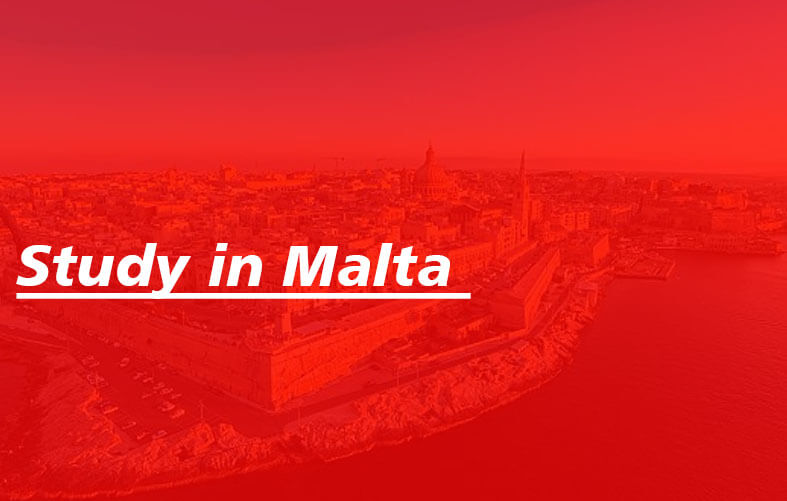
This guide explains how to compare universities, prepare a competitive application, budget realistically, investigate scholarships, and understand the immigration process. It also covers the differences between studying locally and moving to Malta from another country, so you can make a decision based on your actual circumstances rather than promotional claims.
Why study in Malta?
Malta is a small Mediterranean country with a higher education system that serves local learners and students from overseas. English and Maltese are official languages, and English is widely used in university teaching, business, tourism, and professional services. This can make Malta particularly attractive if you want an English-taught qualification without moving to a much larger country. However, you shouldn’t assume that every course is taught in English or that every institution follows the same admission rules. Check the programme’s language of instruction, qualification level, teaching format, and accreditation before paying an application fee. The Malta Further and Higher Education Authority maintains official information about licensed education providers and accredited programmes.
Malta’s location can also appeal to students interested in European business, tourism, hospitality, finance, maritime activity, technology, and cultural heritage. Its economy connects with international markets, while its size can make travel between home, campus, and workplaces more manageable than in some large countries. That doesn’t mean every graduate will find a job quickly, however. Your prospects depend on your subject, skills, language ability, work experience, professional licensing requirements, and the wider employment market. Students should investigate internship opportunities and employer links before choosing a course. For local students, studying in Malta may also mean remaining close to family while pursuing a qualification that supports future opportunities at home or abroad.
Another advantage is the variety of education providers. You can compare a broad-based university education with vocational programmes designed around practical skills. Some institutions focus on academic research, while others concentrate on hospitality, tourism, applied technology, and professional training. This variety matters because the best institution for a future software engineer may not be the best choice for a chef, hotel manager, accountant, or medical student. Before applying, decide whether you need a bachelor’s degree, postgraduate qualification, professional diploma, or shorter course. Then check that the qualification meets your career goals and any requirements imposed by employers or professional bodies in the country where you intend to work.
Malta also participates in the European higher education environment, but you should still check how an individual qualification will be recognised. A qualification’s location alone doesn’t guarantee that another country will accept it for every profession or further study programme. This is especially important for medicine, nursing, teaching, engineering, law, and other regulated fields. If you intend to return home after graduation, contact the relevant professional regulator or education authority before enrolling. If you plan to move to another country, investigate its recognition process as well. The Malta Qualifications Recognition Information Centre and Malta Qualifications Database are useful starting points for checking programme and qualification information.
Finally, compare Malta with other destinations using your actual budget and priorities. A lower tuition fee doesn’t automatically make a destination cheaper if rent, transport, insurance, and travel costs are higher. Likewise, a prestigious institution may not be the best option if its course doesn’t match your career plan. Malta is worth considering if you want English-language study, a Mediterranean setting, and access to a range of academic and applied programmes. Your decision should still come down to course quality, recognition, total cost, student support, and realistic opportunities after graduation.
Best universities and colleges in Malta
Malta has several higher education providers, but they don’t all offer the same qualifications or specialise in the same subjects. The University of Malta provides a broad selection of academic disciplines, while MCAST focuses on applied and vocational education. The Institute of Tourism Studies is a specialist option for hospitality, tourism, and culinary arts. The American University of Malta offers an American-style academic model with programmes in areas such as business, engineering, and technology. Other licensed institutions may provide particular degrees or professional courses. Before selecting a provider, check the current official register of licensed institutions and accredited programmes. Accreditation and programme approval should come before advertising, rankings, or claims made by a recruitment agent.
1. University of Malta

The University of Malta is a key option for students seeking a broad university education. Its course catalogue covers areas including business, accountancy, engineering, information technology, health sciences, humanities, education, law, and research. This breadth makes it useful for students who want to compare different academic pathways within one institution. You can search the university’s official course directory to review programme content, entry requirements, and study levels. Don’t choose a degree based only on its name; read the course structure and identify the subjects, practical experience, and research opportunities included.
The University of Malta may suit both Maltese applicants and international students who meet the relevant entry requirements. Local applicants should check the requirements attached to their MATSEC or other accepted qualifications, while applicants educated overseas should confirm how their certificates will be assessed. Entry rules can differ between programmes, especially for competitive or professionally regulated courses. Applicants should also check whether additional subjects, interviews, portfolios, aptitude tests, or language evidence are required. The university’s admissions and advice pages provide current application guidance and deadlines.
Tuition fees depend on the programme and the applicant’s fee status. The university provides a tuition-fee information page and directs applicants to the individual course listings for relevant fees. Do not assume that every course is free for Maltese students or that every international applicant pays one standard rate. Confirm the applicable fee for your nationality, residency category, course duration, and programme before making a financial commitment. You should also ask about payment deadlines, deposits, refunds, and any additional laboratory or course costs.
2. Malta College of Arts, Science and Technology (MCAST)

The Malta College of Arts, Science and Technology is an important option if you prefer applied learning and career-focused training. Its education model includes vocational and technical pathways, which can appeal to students who want practical experience alongside classroom instruction. Depending on the programme, areas of interest may include business, engineering, information technology, applied sciences, creative subjects, and other technical disciplines. Students should check the current prospectus rather than rely on a general subject list, because course availability and entry levels can change. Compare the qualification level with your existing education and the job you want to pursue.
MCAST can be worth considering if you want a route that connects learning with practical tasks and industry expectations. For example, a student interested in technical work may prefer a programme that includes workshops, applied projects, and supervised practice. A student planning a research career, by contrast, may need to compare degree pathways and postgraduate progression options carefully. Before enrolling, ask how assessments work, whether work placements are available, and what qualifications you can pursue after completing the course. You should also verify that the specific programme is accredited and suitable for your intended career.
Local applicants should examine the entry route that matches their current qualification. International applicants need to confirm whether their certificates meet the programme’s academic requirements and whether any documents need translation or formal recognition. If you’re applying from outside the European Union, also check whether the course meets the requirements for the relevant study visa and residence permit. Not every short course or vocational programme automatically qualifies for the same immigration arrangements. The Malta Qualifications Database can help you investigate the status and level of programmes before applying.
3. Institute of Tourism Studies (ITS)

The Institute of Tourism Studies specialises in tourism, hospitality, management, and culinary education. It can be a strong match for students who want to build a career in hotels, restaurants, travel services, events, guest experience, or tourism operations. Its programmes span different qualification levels, so applicants should check whether a course is a certificate, diploma, undergraduate qualification, or postgraduate programme. This distinction matters because the course level affects academic progression and may affect immigration eligibility for international students. ITS also provides information for overseas applicants through its international-student resources.
Tourism and hospitality are practical fields, so investigate how much hands-on learning a programme includes. A student aiming to become a chef should compare kitchen training, practical assessments, and the qualification awarded. Someone interested in hotel management may prioritise operations, business skills, guest services, and industry placements. Applicants should also ask about language requirements, uniforms or equipment, placement arrangements, and any costs beyond the advertised tuition. These details can influence your budget and your experience more than the programme title alone.
ITS may appeal to Maltese students who want specialised training without leaving the country. It may also attract international students who want to study tourism and hospitality in a destination with an established visitor economy. However, employment is never guaranteed by enrolment or graduation. Your prospects will depend on performance, experience, professional behaviour, language skills, and the availability of suitable jobs. Review the current ITS programme catalogue to confirm course content, application status, delivery mode, and qualification level before applying.
4. American University of Malta (AUM)

The American University of Malta offers an American-style higher education model in Malta. Its published programmes include business and finance, accounting, engineering, software engineering, game development, computer science, and selected postgraduate options. This makes it worth exploring if you want to study business or technology in an institution with a curriculum influenced by the American university model. Programme availability can change, so check the current catalogue before planning your application. You should also examine the qualification awarded and how it fits the requirements of employers or graduate schools where you hope to continue.
AUM publishes programme-specific entry requirements, which may include a secondary-school qualification, academic transcripts, proof of English proficiency, identification, and a personal statement. For example, its published Business Administration programme lists a high-school diploma or equivalent, official transcripts, English proficiency evidence, a personal statement, and a passport copy among the requirements. These are programme-specific examples, not universal rules for every course. Check the current requirements for your intended degree and confirm whether you need to submit additional materials.
AUM also publishes tuition figures and scholarship information. Its listed annual tuition has included €8,000 for undergraduate arts and sciences programmes and €9,000 for undergraduate engineering programmes, with different rates for postgraduate study. Treat these as published reference figures rather than a guarantee that every programme or intake will cost the same. Check the university’s current tuition and fees page for the amount applicable to your course, registration charges, payment arrangements, and scholarship conditions.
5. Other licensed higher education providers


Malta also has other education providers that may offer specialised degrees, professional programmes, or international qualifications. Their suitability depends on the exact course, qualification level, teaching format, accreditation, and career outcome you need. Avoid assuming that a school is a university simply because its marketing uses university-style language. In Malta, the official licensing category and the programme’s accreditation status matter. The MFHEA provider register is the appropriate place to verify an institution’s status.
Before paying a deposit, search the Malta Qualifications Database for the provider and programme. Confirm that the course title, level, awarding body, and accreditation match the offer you received. If a provider advertises a qualification awarded by an overseas institution, check the relationship and make sure the arrangement is officially documented. Ask for written confirmation of the exact award you will receive after graduation. This small step can prevent expensive problems if you later need to transfer credits, apply for postgraduate study, or obtain professional recognition.
The most useful shortlist isn’t necessarily the one with the most institutions. Instead, choose three to five providers that offer the course you want, then compare their academic requirements, tuition, student support, practical training, and graduate pathways. Local students should consider commuting, family commitments, and whether a programme fits their current qualifications. International students should add visa eligibility, accommodation, travel, insurance, and document recognition to the comparison. A careful shortlist will help you make a decision based on evidence rather than promotional claims.
How much does it cost to study in Malta?
The cost of studying in Malta depends on your institution, programme, nationality, accommodation, and lifestyle. The European Commission’s country profile gives broad annual tuition estimates of approximately €1,000–€9,000 for bachelor’s degrees, €2,000–€12,000 for master’s degrees, and €5,000–€11,000 for doctoral studies for non-EU/EEA students. Its living-cost estimate is approximately €900–€1,400 per month. These are general planning ranges, not prices guaranteed by every university. Specialist programmes, private providers, and individual course arrangements may cost more or less. Check your institution’s current fee schedule before using these figures to make a final budget.
| Expense | Planning estimate | What to check |
|---|---|---|
| Bachelor’s tuition | €1,000–€9,000 per year | Programme and fee status |
| Master’s tuition | €2,000–€12,000 per year | Course and institution |
| Doctoral tuition for non-EU/EEA students | €5,000–€11,000 per year | Research area and funding |
| Living costs | €900–€1,400 per month | Rent, food, utilities, transport |
| Visa and residence costs | Varies | Current official charges |
| Health insurance | Varies | Eligibility and coverage requirements |
| Books, equipment, and course materials | Varies | Subject-specific requirements |
| Travel and initial setup | Varies | Flights, deposits, household essentials |
Tuition and living-cost estimates are based on the European Commission’s Malta country profile. They are indicative and should be checked against current institutional and government information.
Tuition fees for local and international students
Local and international students shouldn’t assume that the same fee applies to everyone. Fee status can depend on nationality, residency, the institution, the programme, and the rules in force for the academic year. At the University of Malta, for example, course-specific tuition information is available through its official fee pages, and UK applicants have been treated as non-EU applicants for fee purposes since January 2021, subject to applicable exceptions. This illustrates why you need to check your own category rather than rely on a general online estimate.
Maltese students should investigate government support and the institution’s financial assistance arrangements before deciding that tuition is unaffordable. The University of Malta’s fees and funding information describes scholarship opportunities and government schemes for eligible students. International students should check merit awards, research funding, institutional discounts, and any funding tied to their nationality or programme. Read the conditions carefully because a scholarship may cover tuition only, may require a minimum academic result, or may apply to a particular intake.
Living costs and accommodation
Accommodation is likely to be one of your biggest recurring expenses. Rent can differ significantly by location, room type, distance from campus, and whether you share with other students. A room in a shared apartment may cost less than a private studio, but you should also consider bills, deposits, transport, and the condition of the property. Ask whether utilities and internet are included in the advertised rent, and confirm the tenancy terms before transferring money. If you are arriving from overseas, arrange temporary accommodation carefully and avoid paying an unverified landlord based only on social media messages.
Food costs depend on whether you cook at home, eat on campus, or buy meals regularly. Preparing meals and sharing household expenses can help you manage a limited budget, while frequent restaurant meals can make monthly spending rise quickly. You should also allow money for mobile service, personal care, books, clothing, transport, and occasional travel. Students who need specialist equipment or materials may face additional course expenses. A realistic budget should include a buffer for emergencies rather than assume that every month will go exactly as planned.
Use the upper end of the published living-cost range if you have not yet secured affordable accommodation. The European Commission’s estimate of €900–€1,400 per month gives you a starting point, but your own spending may fall outside it.
For a clearer estimate, compare actual rental offers, transport options, and grocery prices in the area where you’ll study. Build a monthly budget before accepting your offer, then calculate the full cost for the entire programme. If you can’t cover the cost without depending on an uncertain part-time job, consider a less expensive course or a different funding plan.
Example annual budget
Suppose your tuition is €6,000 per year and your living expenses average €1,100 per month. Your estimated annual cost would be €19,200 before visa charges, travel, insurance, and additional course expenses. If your tuition is €9,000 and living costs reach €1,400 per month, the combined amount rises to €25,800 annually. These are examples, not official quotes for a particular student or institution. They show why comparing only tuition fees can give you an incomplete picture of affordability.
| Budget item | Example A | Example B |
|---|---|---|
| Annual tuition | €6,000 | €9,000 |
| Monthly living costs | €1,100 | €1,400 |
| Annual living costs | €13,200 | €16,800 |
| Combined annual estimate | €19,200 | €25,800 |
| Additional costs | Not included | Not included |
Use this table as a planning tool, then replace the example figures with verified costs for your course and accommodation. Include the full duration of your programme, not only the first year. If your course lasts three years, tuition and living expenses may change before you graduate. Keep a separate emergency reserve for unexpected travel, medical expenses, or housing changes. A funding plan is stronger when it remains workable even if your original budget proves too optimistic.
Admission requirements for studying in Malta
Admission requirements in Malta vary by institution and qualification level. Undergraduate applicants generally need a recognised secondary-school qualification that meets the chosen programme’s entry requirements. Postgraduate applicants normally need a relevant bachelor’s degree or another accepted qualification. Some courses may require particular subjects, minimum grades, work experience, portfolios, interviews, or professional registration. The University of Malta publishes course-specific requirements through its official course directory, while AUM provides programme information through its admissions pages. Always read the requirements for your exact course because general admission guidance may not cover every exception.
Undergraduate admission
If you’re applying for a bachelor’s degree, start by checking whether your school-leaving qualification is accepted. Local applicants should review the relevant MATSEC requirements and any subject-specific conditions. International applicants should confirm whether their secondary-school certificate is equivalent to the level required for entry. If the institution requests official transcripts, make sure the documents show subjects, grades, and the qualification awarded. Some programmes may require certified translations or further recognition checks for documents issued outside Malta.
Your grades matter, but they aren’t always the only factor. Courses in engineering, health sciences, and other specialist fields may require relevant subjects or a minimum level of preparation. Creative programmes may request a portfolio, while some courses can include interviews or aptitude assessments. Don’t rely on a friend’s admission experience as proof that you meet the current requirements. The rules can differ by programme and intake, so ask the admissions office to confirm any uncertainty in writing.
Master’s and doctoral admission
Master’s applicants usually need a bachelor’s degree or an equivalent qualification accepted by the institution. Some programmes require a related academic background, while others may consider applicants from different fields if they have suitable experience or prerequisite knowledge. Professional courses can also require relevant work history or supporting documentation. Review the course description to determine whether your previous degree meets the academic standard and whether you need to complete additional modules.
Doctoral applications often require more than a transcript and a degree certificate. Depending on the institution and discipline, you may need a research proposal, academic references, evidence of research ability, and a suitable supervisor or research environment. The proposal should identify a clear question, explain why it matters, and outline a realistic method. Contact the relevant department before applying if its guidance recommends discussing research fit with a supervisor. You should also confirm whether funding is available and whether the scholarship application has a separate deadline.
Common application documents
Most applicants should prepare the following documents, then compare the list with their university’s official checklist:
-
Academic certificates and transcripts.
-
Passport or accepted identity document.
-
English-language test results, where required.
-
Personal statement or motivation letter, if requested.
-
Curriculum vitae for relevant postgraduate or professional courses.
-
Letters of recommendation, where required.
-
Portfolio, research proposal, or writing sample for selected programmes.
-
Certified translations or qualification-recognition documents, if applicable.
-
Evidence of application-fee payment, if the institution charges one.
Prepare clean digital copies and keep the original documents safe. Names and dates should match across your passport, transcripts, and application form. If you have changed your name, ask the institution which supporting documents it needs. Don’t edit academic records or submit unofficial documents as if they were certified originals. If your school issues documents in a language other than English, ask the university whether it requires a certified translation and which translation standards it accepts.
English-language requirements
Many programmes use English, but the exact language requirement depends on the course and institution. Applicants may need to provide an IELTS, TOEFL, or another accepted English-language test, while some institutions may consider alternative evidence. Do not assume that studying in English previously automatically exempts you from a test. Check the policy for your chosen programme and ask whether exemptions are available for your educational background. If a test is required, make sure your result will remain valid on the date specified by the institution.
AUM’s published Business Administration entry requirements, for example, list IELTS 6.0, TOEFL 79, or an accepted equivalent. That is an example for a particular programme, not a universal English-language requirement for Malta.
Other programmes may require a different score or assess language ability in another way. Build enough time into your application schedule to book a test, receive results, and retake it if necessary. Meeting the language requirement also helps you follow lectures, write assignments, and participate confidently in group work.
Acceptance rates and admission competitiveness
Students often search for Malta university acceptance rates because they want to know how difficult admission will be. However, you should be cautious with websites that publish a single acceptance percentage without explaining the source, year, applicant pool, or programme. A university may receive very different numbers of applications for medicine, business, engineering, and less competitive courses. Some institutions also publish admissions requirements without providing a consolidated annual acceptance rate. Where a reliable institution-wide figure isn’t available, it is better to explain the limits of the data than invent a percentage.
Instead of relying on an unverified acceptance rate, examine the entry requirements for your course. Check whether it has subject prerequisites, grade thresholds, an interview, a portfolio, or limited places. You can also contact admissions to ask how applications are assessed and whether the programme has historically been oversubscribed. For highly specialised or professionally regulated courses, ask about the number of available places and any selection process. These details will help you assess your competitiveness more accurately than a number copied from an unofficial education website.
What recent years tell us
Malta’s official education statistics show that participation in post-secondary and tertiary education has increased in recent years. The National Statistics Office Malta reported 31,234 students in post-secondary and tertiary education in 2022–2023. Its later report recorded 32,675 students in 2023–2024, an increase of 4.6% over the previous academic year. Tertiary enrolment alone reached 22,276 in 2023–2024, up 5.5% from 2022–2023. These figures show growth in participation, but they do not establish that any particular university became more selective.
| Indicator | 2022–2023 | 2023–2024 | Change |
|---|---|---|---|
| Total post-secondary and tertiary enrolment | 31,234 | 32,675 | +4.6% |
| Tertiary enrolment | Previous year baseline | 22,276 | +5.5% year-on-year |
| Foreign students at tertiary level | Previous year baseline | 8,252 | +27.0% year-on-year |
Source: Malta’s National Statistics Office. The 2023–2024 report states that tertiary foreign-student enrolment reached 8,252, or 37.0% of tertiary enrolment. The figures are participation statistics, not university acceptance rates.
The same official report found that foreign students represented 37.0% of tertiary enrolment in 2023–2024, including students from other EU countries and non-EU countries. The number of foreign tertiary students increased by 27.0% compared with the preceding academic year. This is useful context for understanding Malta’s international student population, but it doesn’t prove that international applicants have an easier or harder time getting admitted. Admission decisions still depend on course requirements, applicant qualifications, available places, and any selection criteria the institution applies.
For a meaningful year-to-year acceptance-rate comparison, look for published data that includes applications received, offers made, and students enrolled for the same programme and applicant category. If an institution doesn’t release these numbers, report the limitation clearly. You can compare the published entry requirements across recent years if archived prospectuses are available, but don’t label that comparison an acceptance-rate trend. This approach gives readers useful context without overstating what the data can show.
Scholarships and funding in Malta
Scholarships can reduce the cost of studying in Malta, but availability depends on your nationality, academic record, programme, qualification level, and application year. Some awards target local students, while others support specific international applicants or research candidates. Funding can cover full tuition, part of tuition, research expenses, or a combination of costs. Many scholarships don’t pay for accommodation, travel, insurance, or daily living expenses. Before applying, read the eligibility rules and calculate how much money you would still need if you received the award.
Government scholarships and local support
The Maltese government provides information about funding schemes through its official MyScholarship portal. The portal lists scholarship calls across areas of study and qualification levels, including programmes at MQF levels 6 to 8. It also warns that scholarship schemes available in previous years aren’t guaranteed to return. This means you should check current calls rather than build your entire study plan around an old announcement.
Maltese students should also investigate the University of Malta’s fees and funding information, which describes government support and other funding arrangements. Eligibility may depend on the scheme, course, and student circumstances. If you’re already studying in Malta, contact your institution’s finance or student-support office to ask about grants, fee support, and payment arrangements. International students should verify whether a particular scheme accepts applicants from their country before preparing a lengthy application.
University scholarships
Some universities offer merit-based awards or postgraduate funding. AUM publishes information about merit-based scholarships and tuition rates on its official fees page. The University of Malta also publishes funding information for particular programmes and research applicants. For example, its Islands and Small States Institute describes scholarship opportunities for eligible applicants from Small Island Developing States and selected postgraduate researchers. Such awards have specific eligibility rules and should not be treated as universal funding for all international students.
When comparing scholarships, ask whether the award is automatic or requires a separate application. Check the minimum grades, nationality restrictions, course restrictions, renewal requirements, and deadline. If an award covers only tuition, calculate the cost of rent, food, travel, and other expenses separately. Some scholarships may require you to maintain a minimum academic average or complete a specified workload each year. Make sure you understand what happens if you change courses, defer your studies, or fail to meet the award conditions.
How to improve your scholarship application
Start by finding awards that match your profile rather than sending the same application to every provider. Read the selection criteria and tailor your personal statement to the scholarship’s purpose. Explain your academic preparation, career goals, relevant achievements, and how the programme connects with your plans. Use concrete examples instead of general claims about being hardworking or passionate. If the scholarship supports research, explain the value of your proposed project and why the institution is a suitable place to carry it out.
Request recommendation letters early and give referees enough time to prepare meaningful references. Submit accurate transcripts and make sure your application follows the stated format. If financial need is considered, prepare the evidence the scholarship provider requests. Don’t assume that a scholarship will be awarded simply because you have been admitted to a university. Admission and funding decisions can be separate, with different deadlines and assessment criteria.
Malta student visa and residence permit
Your immigration requirements depend on your nationality, course duration, and type of institution. EU nationals generally don’t need a student visa to enter Malta, although residence registration requirements may apply for longer stays. Non-EU applicants planning to study for an extended period generally need the appropriate national study visa before travelling, followed by a residence permit when required. The European Commission’s student-in-Malta guidance explains the main conditions for non-EU students, including enrolment in a recognised full-time course.
Identità states that students who are not EU nationals and intend to study for 105 days or more must apply for a national D study visa before travelling. Its current guidance says applicants should submit the application at least eight weeks before the course begins and may apply up to six months before the start date. Requirements can change, so check the official Identità student visa FAQ and the current document checklist before submitting anything. Don’t assume that entering Malta as a tourist will allow you to switch automatically to student status after arrival.
Common visa documents
The precise list depends on your case, but applicants may need:
-
A completed visa application form.
-
A valid passport and required photographs.
-
An official admission or enrolment letter.
-
Proof of sufficient financial means or sponsorship.
-
Evidence of tuition payment, where required.
-
Travel medical insurance that meets the applicable rules.
-
Proof of accommodation.
-
Travel details and other documents requested by the authorities.
-
Supporting documents for a scholarship, if relevant.
Identità’s student national visa document checklist outlines requirements for long-stay student visa applications, including financial evidence, course details, and insurance. Because official checklists may be updated, download the latest version from Identità before applying rather than relying solely on a saved copy.
Financial evidence and health insurance
You may need to prove that you can support yourself while studying. Identità’s published student visa checklist describes a financial threshold linked to a percentage of Malta’s national minimum wage for each month of study. The exact amount and supporting-document rules should be confirmed against the current checklist. If a family member sponsors you, ask the authorities which bank statements, sponsorship declarations, and identification documents are required. A sponsor’s willingness to help isn’t enough if the documents fail to demonstrate that the funds are available to you.
Health insurance rules also depend on your situation and the type of application. Identità’s guidance states that students applying for a study residence permit generally need valid health insurance, with exemptions listed for institutions including the University of Malta, MCAST, and ITS. Other applicants may need coverage meeting specific minimum limits and duration requirements. Check the current residence-permit guidance and ask your university whether an exemption applies to your enrolment. Don’t buy a policy until you know the required coverage, dates, and accepted evidence.
Working while studying
Some international students can work part-time, but permission is subject to immigration and employment rules. Identità’s guidance says eligible students may work for a maximum of 20 hours per week after the first three months in certain circumstances, while some full-time higher education students may be eligible to work up to 20 hours per week from their first year after obtaining the appropriate permit. The conditions depend on the student’s status and course, so don’t treat part-time employment as automatic. Check the current Identità student employment guidance and confirm any permit requirements before accepting a job.
Part-time income can help cover some expenses, but it shouldn’t be the foundation of your visa budget. You may not find a job immediately, and the hours available can vary around exams and academic deadlines. Employers may also require experience, language skills, or availability that conflicts with your timetable. Build a funding plan that covers tuition and living expenses without assuming you’ll earn a fixed amount every month. Treat work as a possible supplement rather than a substitute for the financial evidence required for your application.
Popular courses to consider in Malta
Business, administration, and law represented the largest field of tertiary enrolment in Malta in the 2023–2024 academic year, with 6,807 students or 30.6% of tertiary enrolments. Health and welfare followed with 5,050 students, accounting for 22.7%. These figures from the National Statistics Office Malta offer a useful picture of subject demand across the system. They don’t guarantee that a particular course has vacancies or strong job prospects, but they can help you identify fields worth investigating.
Business and finance may suit students interested in accounting, management, banking, entrepreneurship, and corporate operations. When comparing courses, examine the modules, internship options, professional accreditation, and the balance between theory and practical work. Technology and engineering may appeal to students who want to build skills in software, digital systems, cybersecurity, electronics, or industrial processes. Check laboratory access, project work, industry partnerships, and the qualifications needed for your preferred job. If you want to work in a regulated profession, confirm the professional recognition route before enrolling.
Tourism, hospitality, and culinary arts are also relevant options in Malta. The Institute of Tourism Studies offers programmes across tourism, management, and culinary fields, including courses with practical elements.
These subjects may be suitable for students who enjoy customer-facing work, event planning, food preparation, or hotel operations. However, compare the actual training and progression opportunities rather than choosing a programme simply because Malta attracts tourists. Your long-term success will depend on the skills you develop and the experience you gain.
Health and welfare programmes require especially careful research. Check whether the course leads to a recognised qualification, whether clinical placements are included, and what additional requirements apply if you want to practise outside Malta. Admission may require specific science subjects or other prerequisites. International applicants should also check whether their previous qualifications meet the course requirements and whether their intended career is regulated in their home country. A programme that looks attractive academically may not meet the professional requirements you need later.
Student life, transport, and accommodation
Student life in Malta can combine campus learning with access to coastal areas, historic towns, cultural events, and international communities. The experience will vary depending on where you live, how often you commute, and how much time you have outside classes. Before accepting an offer, look at the campus location and estimate the journey from possible accommodation. Check the transport routes and timetable that you would actually use, not just the distance shown on a map. A room that looks inexpensive may become less convenient if it requires a long commute or costly transport.
Accommodation deserves particular attention before you travel. Start researching early, compare shared rooms with private options, and read the tenancy agreement carefully. Ask what the deposit covers, whether utilities are included, and how much notice either party must give to end the agreement. Be wary of listings that request large transfers before you have verified the property and the person offering it. If possible, arrange a short initial stay while you inspect longer-term accommodation in person.
Daily expenses can be easier to manage when you set a weekly spending limit. Plan groceries, transport, phone service, course materials, and social activities in advance. Keep copies of important documents and emergency contact details in a secure place. If you’re new to Malta, find out how to access student support, health services, and advice from your institution. Local students may already know the transport system and local services, while international students may need more time to establish these routines.
Your university experience should also support your academic goals. Join relevant student groups, attend career events, and ask lecturers about research opportunities or professional development. Build relationships with classmates and take part in activities that help you practise communication and teamwork. If you’re an international student, these connections can help you understand local expectations and build confidence in a new environment. If you’re a local student, they can also expose you to different perspectives and professional networks.
Application timeline and practical checklist
A strong application begins months before the course starts. First, identify the programme and check its entry requirements, accreditation, tuition, and deadline. Then prepare your transcripts, language results, personal statement, references, and any additional materials. If you’re an international applicant, confirm the visa timeline before paying non-refundable expenses or booking travel. You should also check whether the institution has specific procedures for overseas qualifications, document verification, or deposits.
Once you receive an offer, read all conditions carefully. An offer may be conditional on final grades, proof of English proficiency, original documents, or payment by a specified date. Ask the university to explain anything unclear before accepting. If you need a visa, gather the financial, insurance, accommodation, and identity documents as early as possible. Delays can happen when documents need to be reissued, translated, or authenticated.
Use this checklist to track your progress:
Study in Malta application checklist
0 of 12
Keep copies of every application, payment receipt, offer letter, and immigration document. Use a calendar to record deadlines and reminders, especially if your course and scholarship applications have different closing dates. Check your email frequently after submitting applications, because an institution may request additional evidence. A well-organised process reduces the chance of missing an important step and gives you more time to resolve problems.
Frequently asked questions about studying in Malta
Is Malta a good place to study for international students?
Malta can be a good option if you want an English-taught programme, a Mediterranean location, and access to a range of academic and career-focused courses. It offers different types of institutions, including the University of Malta, MCAST, ITS, and AUM. Your experience will depend on the course you choose, your budget, the support available, and your long-term career plans. Before accepting an offer, verify the programme’s accreditation and compare the full cost with other destinations.
Can Maltese students study at local universities?
Yes. Maltese students can apply to local higher education institutions if they meet the relevant entry requirements. They should check course prerequisites, accepted qualifications, application deadlines, and any available funding. Staying in Malta may reduce relocation expenses, although tuition, transport, materials, and other costs still need to be considered. The University of Malta’s undergraduate admissions guidance is a useful starting point for applicants considering degree-level study.
How much money do I need to study in Malta?
Your budget depends on tuition, accommodation, food, transport, insurance, and other expenses. The European Commission estimates living costs at approximately €900–€1,400 per month, while tuition varies by degree level and institution.
A student paying €6,000 in annual tuition and €1,100 monthly for living expenses would need about €19,200 for one academic year before additional costs. Replace these illustrative figures with current tuition quotes and realistic accommodation costs before deciding whether you can afford the programme.
Do I need IELTS to study in Malta?
Not necessarily. English-language requirements vary by university and programme. Some institutions accept different tests or alternative evidence, while others may offer exemptions under specific conditions. You should confirm the exact requirement with your admissions office before applying. If an English-language test is required, check the minimum score, accepted test types, and validity period.
Can international students work while studying in Malta?
Some international students may work part-time if they meet the applicable immigration and employment conditions. Identità describes arrangements that can allow eligible students to work up to 20 hours per week, but the timing and permit requirements depend on the student’s status and course. Read the current student visa employment guidance before accepting employment. Don’t rely on future earnings to cover expenses that you must demonstrate you can afford before travelling.
Are scholarships available for international students?
Yes, some institutions and scholarship schemes offer funding to eligible international applicants. However, eligibility varies, and awards may cover tuition only rather than accommodation or living expenses. Check the Malta government scholarship portal and the funding pages of your preferred institutions. Always verify that the award is open for your intended intake and accepts applicants with your nationality and qualification level.
How can I check whether a college in Malta is legitimate?
Search for the institution and the exact programme in the Malta Qualifications Database. Confirm the provider’s licence status, the qualification level, the programme’s accreditation, and the awarding body. If you plan to use the qualification abroad, contact the relevant education authority or professional regulator to check recognition requirements. Don’t rely exclusively on an agent’s promise that a qualification will be accepted.
Conclusion: Is studying in Malta right for you?
Studying in Malta can give local and international students access to a diverse range of university degrees, specialist training, and career-focused qualifications. The University of Malta is worth exploring for broad academic options, MCAST for applied and technical education, ITS for tourism and hospitality, and AUM for its American-style approach to business, engineering, and technology. Your best choice depends on the course, entry requirements, accreditation, tuition, and the opportunities available after graduation. You should compare complete programmes rather than choose an institution solely because it has an attractive location or a low advertised fee.
Before applying, check the current course catalogue and confirm that your qualifications meet the entry requirements. Calculate tuition and living costs for the entire programme, then investigate scholarships that genuinely match your circumstances. International students should verify their visa and residence-permit requirements through official government sources before paying non-refundable expenses or booking travel. Local students should also investigate available funding and compare study pathways with their intended career. Careful planning can help you avoid unexpected costs and choose a programme that supports your long-term goals.
For the most reliable information, use university websites for admission requirements and tuition, the MFHEA for licensing and programme accreditation, the National Statistics Office Malta for education statistics, and Identità for current immigration rules. These sources are more useful for making important decisions than unverified acceptance-rate claims or outdated advice from third-party websites.