School Tips

How to Study Abroad From Nigeria Without an Agent (Step-by-Step Guide)

Studying abroad is a dream for many Nigerian students—but one big myth keeps holding people back: “You need an agent to make it happen.”

How to Study Abroad From Nigeria Without an Agent

The truth? You don’t need an agent to study abroad from Nigeria. Thousands of students successfully apply on their own every year—and you can too.

In this step-by-step guide, you’ll learn exactly how to study abroad from Nigeria without an agent, save money, avoid scams, and increase your chances of getting admission and scholarships.

Why You Should Avoid Using Agents

Before we dive into the steps, let’s be clear.

Many agents:

  • Charge high fees (₦100,000 – ₦1,000,000+)
  • Submit wrong or rushed applications
  • Push you toward schools that pay them commission
  • Sometimes even involve fraudulent practices

When you apply yourself:

  • You save money
  • You stay in control
  • You understand the process better
  • You avoid scams

Step-by-Step Guide to Study Abroad From Nigeria Without an Agent

Step 1: Decide What and Where to Study

Start by answering these questions:

  • What course do you want to study?
  • What level? (Undergraduate, Masters, PhD)
  • Which countries fit your budget?

Popular countries for Nigerians:

  • Canada
  • UK
  • USA
  • Germany
  • Finland
  • Poland

Tip: If you want low tuition or free education, consider Germany, Norway, or fully funded scholarships.

Step 2: Research Universities and Programs

Use official school websites and trusted platforms like:

  • Google search
  • University websites
  • Scholarship portals

Look for:

  • Entry requirements
  • Tuition fees
  • Application deadlines
  • English language requirements

Always apply through the official school website—not third-party links.

Step 3: Check Admission Requirements

Most universities require:

  • WAEC/NECO (for undergraduate)
  • Bachelor’s degree (for Masters)
  • Academic transcripts
  • Statement of Purpose (SOP)
  • CV/Resume
  • Recommendation letters
  • International passport

Some countries may require:

  • IELTS/TOEFL
  • GRE/GMAT (for some programs)

Good news: Many schools now accept “English Proficiency Letter” instead of IELTS.

Step 4: Prepare Your Documents

This is one of the most important steps.

Make sure:

  • Your documents are clear and scanned
  • Your name matches across all documents
  • Your Statement of Purpose is strong and personal

Pro Tip:
Your SOP should explain:

  • Why you chose the course
  • Your academic background
  • Your future goals
  • Why that university

Step 5: Apply Online (No Agent Needed)

Go directly to the university’s official website and:

  1. Create an account
  2. Fill out the application form
  3. Upload your documents
  4. Pay application fee (if required)

Some schools are free to apply—especially in Europe.

Apply to at least 3–7 schools to increase your chances.

Step 6: Apply for Scholarships

If you want to study abroad for free or cheap, this step is crucial.

Types of scholarships:

  • Fully funded (covers everything)
  • Partial scholarships (tuition discounts)

Popular scholarships:

  • Chevening (UK)
  • DAAD (Germany)
  • Erasmus Mundus (Europe)
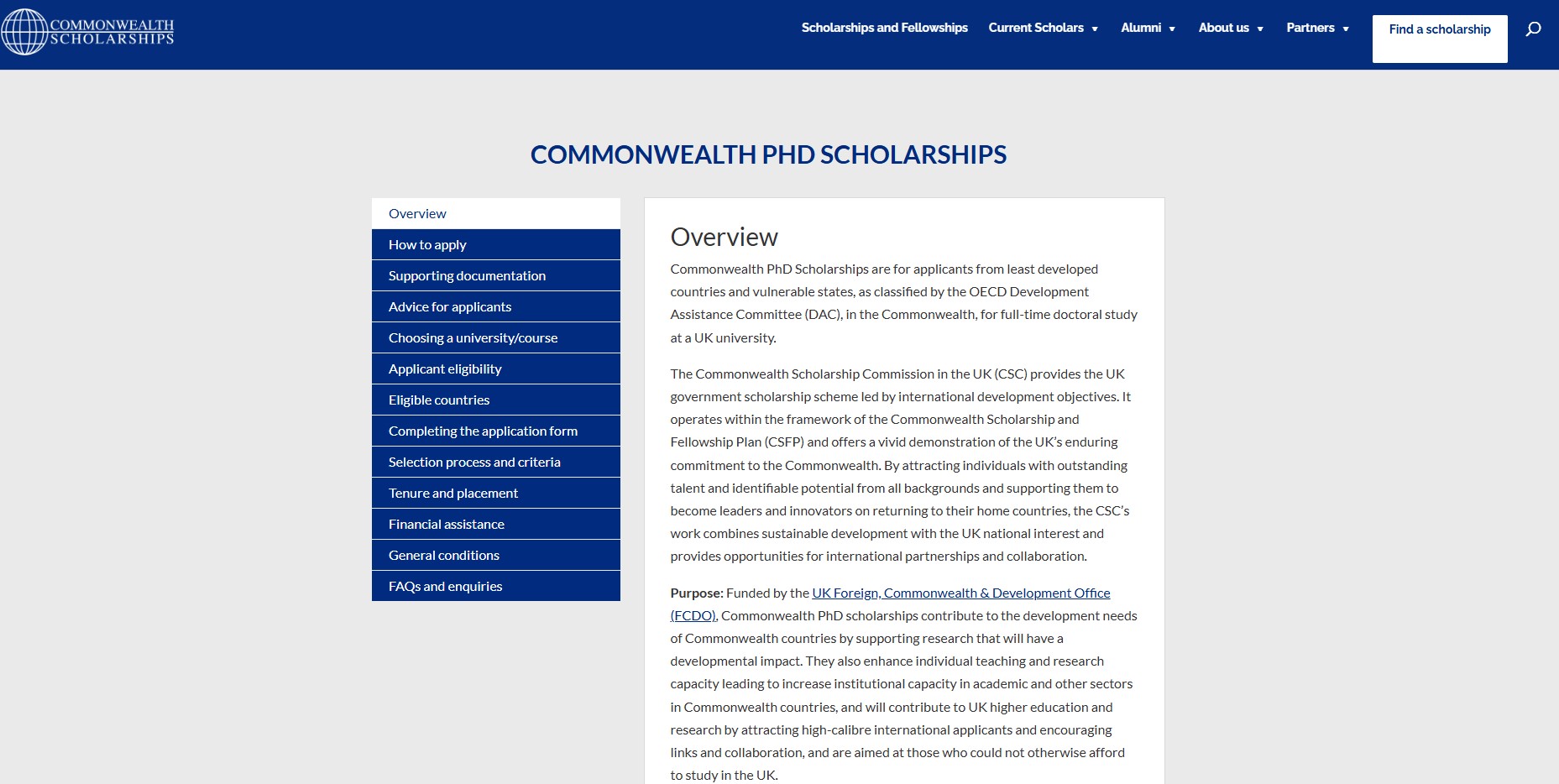
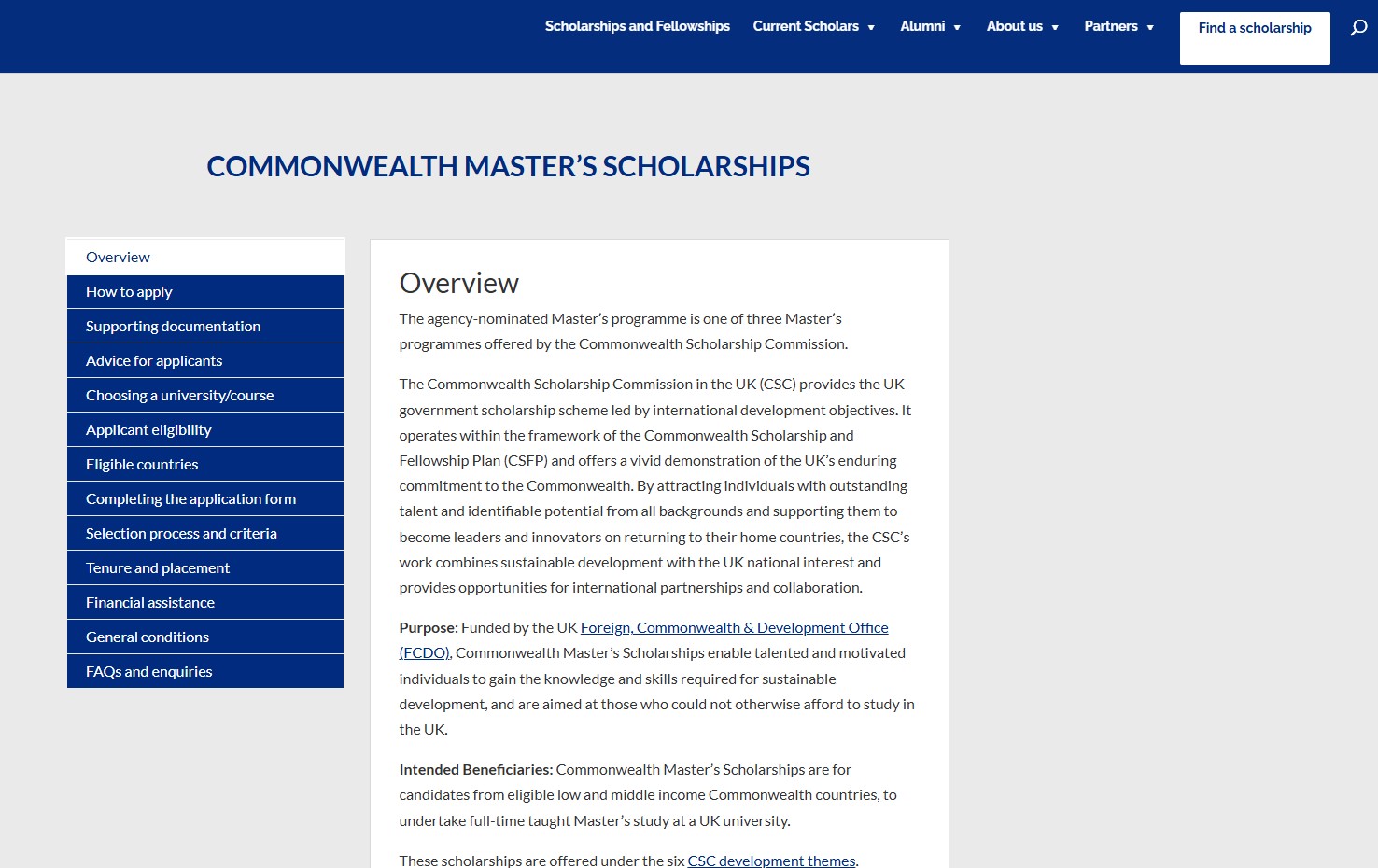
  • Commonwealth Scholarship

Always check deadlines early—many close months before admission deadlines.

Step 7: Accept Your Offer and Pay Deposit

Once accepted:

  • You’ll receive an offer letter
  • Accept the offer
  • Pay tuition deposit (if required)

This confirms your admission.

Step 8: Apply for Student Visa

After admission, apply for your student visa.

Common requirements:

  • Admission letter
  • Proof of funds
  • Passport
  • Medical test
  • Visa application form

Each country has different visa rules—always check the embassy website.

Step 9: Prepare for Travel

Once your visa is approved:

  • Book your flight
  • Arrange accommodation
  • Pack your documents
  • Join student groups online

Travel with both digital and printed copies of your documents.

Cost Breakdown (Without an Agent)

Item Estimated Cost
Application Fees ₦0 – ₦100,000
IELTS (optional) ₦120,000+
Visa Fee ₦100,000 – ₦500,000
Flight Ticket ₦500,000 – ₦1,500,000


Using an agent can double these costs.

Common Mistakes to Avoid

  • Applying late
  • Submitting incomplete documents
  • Using fake agents
  • Not applying for scholarships
  • Choosing the wrong course

Can You Really Study Abroad Without an Agent?

Yes—100% YES.

Everything an agent does:

  • Filling forms
  • Uploading documents
  • Submitting applications

You can do yourself—with better accuracy and zero extra cost.

Final Tips for Success

  • Start early (6–12 months before intake)
  • Stay organized
  • Use a checklist
  • Apply to multiple schools
  • Focus on scholarships

FAQs

Can I study abroad from Nigeria for free?

Yes. With fully funded scholarships like Chevening, DAAD, and Erasmus Mundus.

Do I need IELTS to study abroad?

Not always. Many schools accept an English proficiency letter.

How long does the process take?

Usually 3–12 months, depending on the country and intake.

Which country is cheapest for Nigerians?

Germany and some European countries offer low or free tuition.

CHECK THESE OUT:

Can I Study MBA With Chevening Scholarship?

How to Study Abroad on a Budget with a Partial Scholarship…

Tips To Find And Apply For Scholarships Online: The Ultimate Guide…

Why Work Experience Is Important for Scholarships in 2025/2026

How to Apply for a Study Permit in Canada

LEAVE A REPLY

Please enter your comment!
Please enter your name here