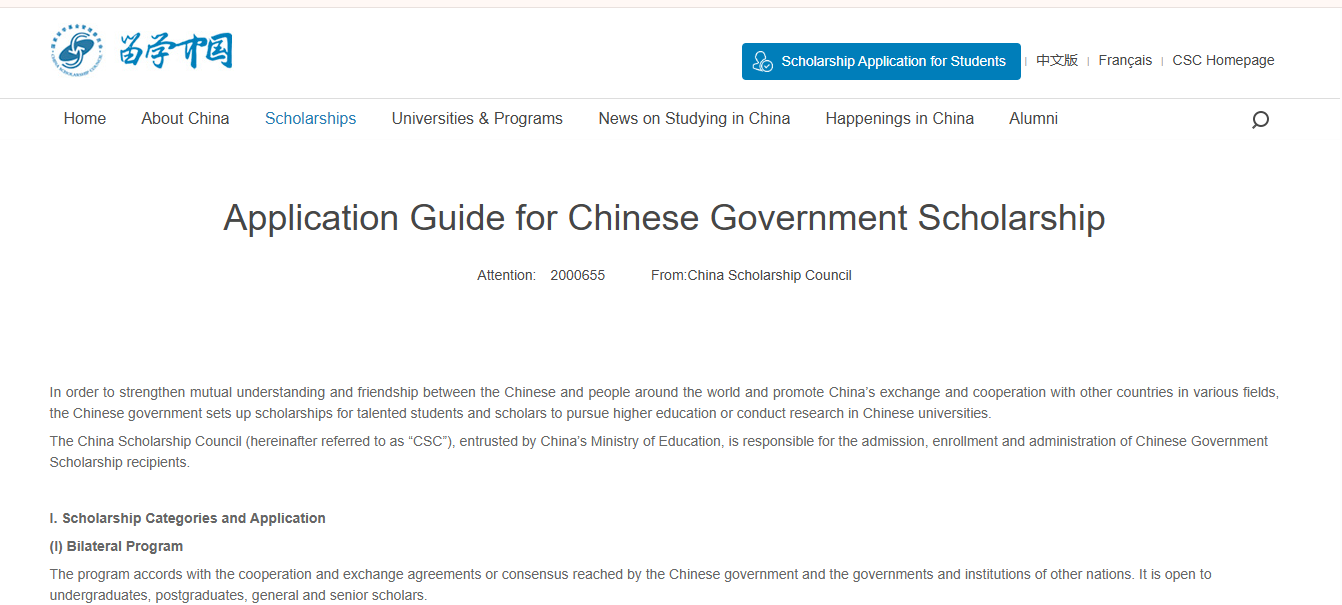
You can study in China at internationally recognised universities offering programmes in engineering, medicine, business, technology, science, and the humanities. The country welcomes domestic and international students through undergraduate, postgraduate, doctoral, and exchange programmes. You can choose Chinese-taught or English-taught degrees, depending on the university and subject. Tuition fees vary considerably, but public universities often offer more affordable options than comparable institutions in several Western study destinations. Scholarships such as the Chinese Government Scholarship can also reduce the financial burden by covering tuition, accommodation, insurance, and monthly living expenses.
Before applying, however, you should understand the admission process, language requirements, university options, living costs, and student visa rules.
China has become an important destination for higher education, research, manufacturing, business, and technological development. Its universities have invested heavily in laboratories, international partnerships, research facilities, and specialised academic programmes. Cities such as Beijing, Shanghai, Hangzhou, Wuhan, Guangzhou, and Nanjing attract students with different academic and professional interests. Beijing offers access to major research institutions and government organisations. Shanghai provides a strong environment for finance, business, international trade, and technology. Meanwhile, cities such as Wuhan and Nanjing offer established universities and often different living-cost profiles from China’s largest commercial centres.
The Chinese higher education system serves a much larger domestic student population than its international student population. According to China’s Ministry of Education, the country had 1,257 regular undergraduate institutions in 2024, alongside vocational, adult, and other higher education institutions. Its statistics also recorded approximately 20.86 million students enrolled in regular undergraduate education. These figures show the scale of the domestic university system and the range of institutions available to Chinese applicants.
International interest also has a long history. China’s Ministry of Education reported 492,185 international students from 196 countries and regions in 2018. Its 2024 higher education statistics recorded 271,064 international students enrolled in the reported category. These figures come from different reporting periods and should not be treated as a perfectly comparable trend without checking the statistical definitions. Nevertheless, they demonstrate that international education remains part of China’s higher education landscape.
This guide explains how to study in China as a local or international student. It covers universities, admission requirements, tuition fees, living expenses, scholarships, and student visas. It also examines admission competition and explains why you should not rely on unsupported acceptance-rate estimates when choosing a university.
Why Study in China?
China offers a combination of established universities, large research programmes, growing industries, and a wide range of academic subjects. Its higher education system includes comprehensive universities, specialist institutions, vocational universities, and research-focused centres. You can study engineering, medicine, computer science, economics, international relations, agriculture, architecture, education, and many other subjects. This variety gives students several ways to match their education to their career plans. It also means that you should compare individual departments rather than choosing a university based only on its name.
One major attraction is the development of science and technology. Chinese universities have invested in artificial intelligence, robotics, telecommunications, renewable energy, biotechnology, advanced manufacturing, and materials science. Students interested in these fields can find programmes connected to research centres and industrial development. For example, a student studying electrical engineering may benefit from a university’s links with technology companies and research laboratories. A student interested in public health may prefer an institution with established medical schools and hospital partnerships. These opportunities vary by institution, so examine the curriculum, research facilities, internship arrangements, and academic staff before applying.
Another reason students consider China is the range of tuition options. Fees depend on the university, programme, teaching language, and degree level. Some public universities charge relatively moderate tuition for standard programmes, while specialist and international programmes can cost substantially more. Tsinghua University, for example, publishes different undergraduate tuition rates according to the programme. Its listed fees include RMB 26,000 or RMB 30,000 annually for several Chinese-English taught programmes, while some arts and clinical medicine programmes cost more. This shows why you should never assume that every course at one university has the same price.
China also provides scholarship opportunities for eligible international students. The Chinese Government Scholarship can cover tuition, accommodation, medical insurance, and a monthly stipend. Some universities also offer their own awards, while provincial and municipal governments operate additional scholarship programmes. These funding options can make studying in China more accessible, especially for students with strong academic records. However, a scholarship is not guaranteed simply because you meet the minimum requirements. You must identify the correct scholarship category, check the eligible universities, prepare the required documents, and submit your application before the relevant deadline.
You should also consider the experience of living in a different educational and cultural environment. Studying in China can expose you to Mandarin, Chinese business practices, local industries, regional history, and international student communities. You may develop language skills that help you work with Chinese companies or organisations connected to China. However, daily life can require adjustment. Banking, mobile payments, transport applications, food, housing arrangements, and communication may work differently from what you know at home. Learning basic Mandarin before arrival can make your first months easier, even when your degree is taught in English.
Best Universities in China
China has a large and varied university system. The best institution for you will depend on your subject, academic record, budget, preferred teaching language, and career plans. A university with an excellent engineering reputation may not be the strongest choice for your preferred arts programme. Likewise, a highly ranked institution may not offer the specific English-taught degree you need. Compare the programme itself, not just the university’s overall position in a ranking.
The Ministry of Education’s 2024 statistics listed 1,257 regular undergraduate institutions. This figure covers a broad range of institutions and should not be confused with the number of universities appearing in international rankings. Some institutions focus on vocational education, while others offer broad undergraduate and postgraduate programmes. Domestic applicants should check provincial admission plans and the relevant examination requirements. International applicants should check whether the institution accepts foreign applicants for their intended programme and whether the degree is taught in Chinese or English.
For an international comparison, the QS World University Rankings 2027 place Peking University at 13th and Tsinghua University at 14th globally. Fudan University ranks 26th, Shanghai Jiao Tong University ranks 36th, and Zhejiang University ranks 47th. These positions show the international standing of several leading mainland Chinese institutions. Rankings are useful starting points, but they do not measure every factor that matters to an individual student. You should also examine programme accreditation, graduate outcomes, research opportunities, teaching language, fees, and student support.
The Times Higher Education World University Rankings 2027 provide another perspective. They place Tsinghua University 11th globally and Peking University 13th. Zhejiang University ranks 34th, Fudan University 38th, and Shanghai Jiao Tong University 39th. These results use a different ranking methodology from QS. Keep the two systems separate when presenting ranking comparisons on your website.
Below are ten universities worth researching. The list includes institutions with different academic strengths and locations. It is intended for both Chinese students and international applicants, although admission routes and programme availability differ between those groups.
1. Tsinghua University
Tsinghua University is one of China’s best-known research universities. It is located in Beijing and has a strong reputation in engineering, computer science, architecture, economics, public policy, and the natural sciences. Its academic environment attracts students interested in advanced research and demanding professional programmes. The university also maintains international partnerships and offers selected programmes for international applicants. Chinese applicants generally follow the relevant domestic admission route, while international applicants must satisfy the university’s separate academic and application requirements.
Tsinghua is particularly relevant to students interested in engineering and technology. Its programmes connect academic learning with research and innovation in areas such as intelligent manufacturing, electronic information, automation, mathematics, and computer science. The university’s published undergraduate fees demonstrate how costs can differ by subject. Several Chinese-English taught programmes list annual tuition of RMB 30,000, while selected economics, finance, management, and law programmes list RMB 26,000. Arts and clinical medicine programmes have different fee structures. Check the university’s current undergraduate admissions and fees information before preparing your budget.
2. Peking University
Peking University is a major research institution in Beijing. It is known for programmes across the humanities, social sciences, law, economics, medicine, science, and technology. Its academic reputation makes it an important option for students seeking a broad university education. The university attracts high-achieving domestic applicants and international students from different regions. Its location also provides access to research institutions, cultural organisations, government agencies, and major employers.
Students considering Peking University should investigate the admission requirements for their intended department. Domestic admission is shaped by China’s national and regional examination system, while international applicants follow the university’s foreign-student admission process. Programme language is especially important. Do not assume that every undergraduate or postgraduate course is available in English. Check the official department pages for language requirements, application dates, tuition, and scholarship availability. Its position at 13th in the QS World University Rankings 2027 also makes it one of the highest-ranked mainland Chinese universities in that edition.
3. Fudan University
Fudan University is located in Shanghai and is recognised for its work in medicine, economics, management, journalism, international relations, humanities, and the sciences. Its location makes it attractive to students interested in business, finance, international trade, and the wider Chinese economy. Shanghai is one of China’s most internationally connected cities, with a substantial presence of multinational companies and financial institutions. Students may find opportunities to attend professional events, build networks, and explore internships, subject to university rules and relevant work authorisations.
Fudan is also a strong option for students who want a university with broad academic coverage. You should compare the university’s individual schools and departments before applying. A student interested in clinical medicine will need to investigate different requirements from someone applying for economics or international relations. International applicants should confirm the language of instruction and whether their previous qualifications meet the programme’s standards. Fudan ranked 26th in the QS World University Rankings 2027, placing it among the leading universities in mainland China.
4. Shanghai Jiao Tong University
Shanghai Jiao Tong University is a major institution with strengths in engineering, medicine, business, science, and technology. It is based in Shanghai and offers a wide range of academic and research programmes. Students interested in mechanical engineering, electronic information, biomedical sciences, computer science, and management may find relevant departments here. The university’s research profile also makes it worth considering for postgraduate applicants seeking laboratory experience or research supervision.
Its location gives students access to one of China’s most active commercial and industrial environments. However, living in Shanghai can cost more than studying in some smaller Chinese cities. You should therefore compare tuition with accommodation, transport, food, insurance, and personal expenses. The university ranked 36th in the QS World University Rankings 2027. International applicants should consult its official admissions portal for programme-specific requirements, deadlines, and current tuition.
5. Zhejiang University
Zhejiang University is based in Hangzhou, a major city known for technology, entrepreneurship, and its growing digital economy. The university offers programmes in engineering, agriculture, medicine, science, management, humanities, and other disciplines. Its broad academic structure makes it suitable for students who want several subject options within one institution. Hangzhou is also home to major technology businesses, creating a useful environment for students interested in innovation and entrepreneurship.
Students should look beyond the university’s overall ranking and examine the academic department that interests them. Research opportunities, course language, internship access, and graduate pathways can vary by subject. International applicants should check whether their chosen degree is open to foreign students and whether they need Chinese-language qualifications. Zhejiang University ranked 47th in the QS World University Rankings 2027. Its position makes it one of the leading mainland Chinese institutions in that edition.
6. University of Science and Technology of China
The University of Science and Technology of China, commonly called USTC, is a research-focused institution in Hefei. It is particularly relevant to students interested in physics, chemistry, mathematics, computer science, engineering, and advanced scientific research. Its academic environment is suited to applicants who enjoy analytical work and want to pursue demanding scientific subjects. The university has a strong research identity, making it worth considering for students planning postgraduate study.
Hefei offers a different experience from Beijing and Shanghai. It is a major provincial capital with a growing technology and research sector. Living expenses may differ from those in China’s largest commercial cities, although your actual costs will depend on housing and personal choices. USTC ranked 134th in the QS World University Rankings 2027. Applicants should review department-level entry requirements, language expectations, research opportunities, and available funding before applying.
7. Nanjing University
Nanjing University is one of China’s established comprehensive universities. It offers programmes across the sciences, humanities, social sciences, business, and technology. The institution is located in Nanjing, a historic city with a large student population and a substantial educational environment. Students who want a university city with cultural attractions and a strong academic tradition may find it appealing.
Nanjing can also provide an alternative to the higher costs associated with some of China’s largest commercial centres. However, accommodation and tuition still depend on the programme and university arrangements. International applicants should check the availability of English-taught courses and the requirements for Chinese-taught degrees. Domestic applicants should follow the relevant provincial admission rules. Nanjing University ranked 90th in the QS World University Rankings 2027.
8. Tongji University
Tongji University is based in Shanghai and is especially recognised for engineering, architecture, urban planning, civil engineering, transportation, and environmental studies. Its academic profile makes it a useful option for students interested in how cities are designed, built, and managed. Architecture and urban development applicants may find its specialist strengths particularly relevant. The university’s location also provides exposure to a major city undergoing continuous infrastructure and commercial development.
Before applying, examine the curriculum and the professional requirements associated with your intended subject. Architecture and engineering programmes can include studio work, technical projects, laboratory sessions, and demanding assessment schedules. International applicants should also verify the language of instruction and whether professional accreditation is relevant to their career plans. Tongji is included among mainland Chinese institutions in the QS World University Rankings 2027. Check the current ranking table and the university’s own admissions pages for the latest programme information.
9. Wuhan University
Wuhan University is a comprehensive institution located in Wuhan, a major city in central China. It offers programmes in law, economics, engineering, medicine, science, humanities, and information technology. Its campus is well known for its historic buildings and seasonal scenery. Students who prefer a large university with a broad subject range should explore its academic departments and international student programmes.
Wuhan is an important educational and transport centre. Its location can make it a practical option for students who want to study outside China’s most expensive coastal cities. Costs still vary according to housing, lifestyle, and programme fees. International applicants should check whether their chosen course is taught in English or Chinese. They should also confirm the accepted language tests, academic documents, and application deadlines directly with the university.
10. Sun Yat-sen University
Sun Yat-sen University is a major institution in Guangdong province. It has campuses and academic facilities across the Pearl River Delta region, including Guangzhou and other locations. The university offers programmes in medicine, science, engineering, business, humanities, social sciences, and public health. Its location is valuable for students interested in southern China’s economy, healthcare sector, manufacturing, and international trade.
Students considering this university should identify the campus where their programme is delivered. Campus location can affect accommodation, transport, daily expenses, and access to internships. Applicants should also examine the specific requirements of professional programmes such as medicine. International students need to confirm the teaching language and whether the programme accepts foreign applicants. The university’s broad academic structure makes department-level research essential before submitting an application.
Universities in China Overview
The following table gives a quick overview of the universities discussed above. QS positions refer to the 2027 edition where a specific position was available in the retrieved ranking information. Do not interpret a ranking as an admission guarantee or a measure of every department.
| University | City | Notable subject areas | QS World Ranking 2027 |
|---|---|---|---|
| Tsinghua University | Beijing | Engineering, technology, sciences | 14 |
| Peking University | Beijing | Humanities, law, medicine, sciences | 13 |
| Fudan University | Shanghai | Medicine, economics, management | 26 |
| Shanghai Jiao Tong University | Shanghai | Engineering, medicine, business | 36 |
| Zhejiang University | Hangzhou | Engineering, science, medicine | 47 |
| University of Science and Technology of China | Hefei | Physics, mathematics, science | 134 |
| Nanjing University | Nanjing | Sciences, humanities, social sciences | 90 |
| Tongji University | Shanghai | Architecture, engineering, urban planning | Check current QS listing |
| Wuhan University | Wuhan | Law, medicine, engineering, sciences | Check current QS listing |
| Sun Yat-sen University | Guangzhou | Medicine, business, sciences | Check current QS listing |
Ranking source: QS World University Rankings 2027. Positions should be checked against the current official ranking before publication or annual updating.
University Acceptance Rates in China
University acceptance rates in China are not as straightforward as they may appear on international university comparison websites. Many institutions do not publish one overall acceptance rate covering every course, campus, degree level, and applicant category. Domestic undergraduate admission also operates differently from international admission. Chinese applicants commonly compete through the national and provincial examination system, while international applicants usually submit academic records and other documents directly to universities. As a result, a percentage advertised as a university’s acceptance rate may not describe your actual chance of admission.
For domestic students, the Gaokao is a central part of undergraduate admission. The examination is highly important because students use their results when applying to universities and programmes through the relevant provincial systems. The number of candidates has remained extremely high in recent years. China’s government reported 13.42 million registered candidates in 2024, followed by 13.35 million in 2025. In 2026, the reported number fell to 12.9 million. These figures show the scale of the examination, but they are not university acceptance rates. They also do not tell you how many applicants applied to a particular institution or how many received offers from it.
The following comparison provides useful context. It shows the number of Gaokao candidates reported for three consecutive years. It does not measure the percentage admitted to Chinese universities. That distinction matters because the number of examination candidates is not the same as the number of applications received by one university. A student may also apply through a system that allows several programme preferences. You should therefore avoid converting these figures into an acceptance rate.
| Year | Reported Gaokao candidates | What the figure tells you |
|---|---|---|
| 2024 | 13.42 million | Record number reported for that year |
| 2025 | 13.35 million | Slight decrease from 2024 |
| 2026 | 12.9 million | Further decrease from 2025 |
Sources: Chinese government reports on the 2024, 2025, and 2026 Gaokao.
The national figures do not mean that admission to leading universities has become easy. Competition remains particularly strong at institutions such as Tsinghua University and Peking University. Applicants need to consider their province, examination results, selected subject combination, programme preferences, and the number of places available. Admission thresholds can differ substantially between provinces and academic years. A score that is competitive for one programme in one province may not be sufficient for the same university in another province. Domestic applicants should use official provincial admission information and the university’s published admission plans rather than relying on a general national percentage.
International applicants face a different selection process. Universities may consider secondary-school results, previous university performance, language ability, recommendation letters, personal statements, interviews, entrance assessments, and programme-specific requirements. Some institutions may accept applicants with a broad range of academic backgrounds, while competitive programmes demand stronger results. Medicine, engineering, computer science, and other specialist courses may have additional conditions. You should treat every application as a separate assessment and ask the international admissions office whether the university publishes programme-level admission statistics.
What about previous years’ acceptance rates?
There is no reliable, publicly comparable national series in the sources reviewed that gives annual acceptance rates for each named Chinese university across 2024, 2025, and 2026. It would be misleading to publish invented figures such as a 25% acceptance rate for Tsinghua or a 40% rate for Fudan without a verifiable institutional source. A more useful comparison is to examine changes in examination participation, university admission plans, programme requirements, and published applicant statistics where available. For domestic students, the Gaokao figures above provide context about the size of the applicant pool. For international students, the best evidence is the admission information released by the university and the department you intend to join.
Admission Requirements to Study in China
Admission requirements in China depend on your nationality, qualification, degree level, programme, and chosen university. Domestic applicants generally follow the national and provincial admission system, while international applicants use the application route established for foreign students. Some universities also have different requirements for Chinese-taught and English-taught programmes. This means you should begin by identifying the exact course you want to study. Do not prepare documents based on a general university checklist until you have checked the current requirements for your department.
Undergraduate admission requirements for Chinese students
Chinese students applying for undergraduate programmes usually complete the Gaokao and participate in the relevant provincial application process. Universities set admission plans and subject requirements according to their programmes and the applicable national and regional rules. Competitive institutions may require high examination scores, particularly for popular subjects such as medicine, computer science, economics, and engineering. Some specialist programmes may also consider subject combinations, physical requirements, interviews, or additional assessments. Students should review the current admission guide issued by their provincial education examination authority and the university itself.
The application process often involves choosing institutions and majors according to the student’s results and preferences. The order of choices and the rules for each province can influence the outcome. Students should not rely solely on the previous year’s minimum score because admission thresholds can change with the number of applicants and available places. A university may admit students at different score levels across provinces. It is sensible to compare several years of official admission data where the university or provincial authority provides it. This gives you a more realistic picture than relying on a single year’s result.
Undergraduate admission requirements for international students
International applicants usually need a recognised secondary-school qualification that is equivalent to the educational level required by the university. You will generally submit your academic transcripts and graduation certificate. Some universities request notarised or certified translations when documents are not written in Chinese or English. You may also need a passport copy, a personal statement, recommendation letters, proof of language proficiency, and a medical examination form. The precise list depends on the university and programme, so always follow the latest official application guide.
Applicants to Chinese-taught programmes may need to demonstrate Mandarin proficiency through the HSK examination or another qualification accepted by the institution. The required HSK level can vary by programme and degree level. A course involving extensive academic writing or professional communication may require stronger Chinese-language ability than a preparatory programme. English-taught programmes may request IELTS, TOEFL, or another approved English-language qualification. Some universities may consider previous education completed in English, but you should not assume that an exemption will be granted automatically.
Postgraduate admission requirements
For a master’s degree, applicants generally need a recognised bachelor’s degree in a relevant or accepted subject. Universities may request official transcripts, degree certificates, a CV, a statement of purpose, recommendation letters, and evidence of language proficiency. Some programmes require applicants to have studied a related subject at undergraduate level. Others may accept applicants from different academic backgrounds if they complete prerequisite courses. Research-focused master’s programmes can also request a research proposal or evidence of previous academic work.
Doctoral applicants usually need a relevant master’s degree, although some universities and programmes may have alternative pathways. You may need to identify a potential supervisor and explain how your research interests connect with the department’s work. A strong research proposal should define the topic, explain the problem, identify relevant literature, and describe the proposed methods. Universities may also assess your academic publications, research experience, professional background, and interview performance. Before applying, contact the department to confirm whether supervisors are accepting new doctoral students and whether funding is available.
Common documents required for admission
| Document | Undergraduate applicants | Master’s applicants | PhD applicants |
|---|---|---|---|
| Passport or identity document | International applicants | International applicants | International applicants |
| Academic certificates | Secondary-school certificate | Bachelor’s degree | Master’s degree |
| Academic transcripts | Required | Required | Required |
| Language certificate | As required | As required | As required |
| Personal statement or study plan | Often required | Often required | Often required |
| Recommendation letters | Sometimes required | Commonly required | Commonly required |
| Research proposal | Usually not required | Programme dependent | Commonly required |
| Medical examination | May be required | May be required | May be required |
| Portfolio or additional test | Subject dependent | Subject dependent | Subject dependent |
This is a planning checklist, not a universal document list. Follow the current requirements of your selected university.
English-taught and Chinese-taught programmes
China offers degree programmes taught in both Chinese and English. English-taught programmes can be useful if you want to earn a degree without first reaching advanced Mandarin proficiency. However, the availability of English instruction varies by university, department, and degree level. A university may offer several English-taught master’s programmes but only a small number of undergraduate options. You should confirm the teaching language for every course rather than relying on a general statement that the university welcomes international students.
Chinese-taught programmes can provide a wider range of subject choices at some institutions. They may also help you develop language skills that are valuable when working in China after graduation. However, academic Mandarin requires more than everyday conversational ability. You need to understand lectures, technical vocabulary, written assignments, examinations, and discussions. If your Chinese is not strong enough, ask whether the university offers a preparatory language year. Some scholarship routes may also include Chinese-language preparation before the main degree begins.
Cost of Studying in China
The cost of studying in China depends on the city, university, subject, degree level, accommodation, and lifestyle. Some programmes at public universities are relatively affordable, while specialist degrees and premium international programmes can be considerably more expensive. Beijing and Shanghai can also require a larger living budget than smaller university cities. You should calculate the full cost of attendance rather than looking at tuition alone. Your budget should include accommodation, food, transport, health insurance, study materials, visa expenses, and personal spending.
Tuition fees are not fixed across the entire Chinese higher education system. A humanities programme may cost less than a clinical medicine or engineering programme. English-taught degrees can also have different prices from Chinese-taught programmes at the same university. For example, Tsinghua University’s published undergraduate fee schedule lists RMB 26,000 per year for several economics, finance, management, and law programmes. Several Chinese-English taught programmes list RMB 30,000 annually. Its arts and clinical medicine programmes have higher or separate fee arrangements. These examples show why you must check the exact fee for your intended course.
Some universities publish separate tuition and living-cost estimates for international students. Shanghai Jiao Tong University’s 2026 international undergraduate cost information, for example, lists tuition at RMB 120,000 per year for the programme covered by that estimate. It also gives estimated accommodation and living expenses. This is a programme-specific example and should not be presented as the standard tuition fee for all Chinese universities. A student applying to another department or institution may pay a very different amount.
For a broader planning estimate, a Beijing municipal information guide gives general annual cost ranges for international students. It lists tuition ranges that differ by subject and degree level, along with accommodation and insurance estimates. The guide also notes that an international student in Beijing may need around RMB 120,000 annually without a scholarship or financial aid. This is a broad planning figure rather than a guaranteed budget. Your actual expenses may be lower or higher depending on your university, accommodation, and personal choices.
Estimated tuition fees in China
The following table gives indicative ranges for planning. It combines published examples and general guidance, so it should not replace the fee schedule of your chosen university. Specialist courses, medical programmes, international joint programmes, and premium English-taught degrees may cost more.
| Programme type | Indicative annual tuition |
|---|---|
| Humanities and language programmes | RMB 20,000–30,000 |
| Science and engineering programmes | RMB 25,000–35,000 |
| Many master’s programmes | RMB 25,000–40,000 |
| MBA and senior management programmes | RMB 30,000–45,000 or more |
| Selected premium international programmes | May be substantially higher |
Source: Beijing municipal study-cost guidance and published university fee schedules.
Accommodation costs
Accommodation is one of the most important parts of your student budget. Many universities offer international student dormitories, although availability, room type, and prices differ. Some dormitories provide shared rooms, while others offer single rooms with private facilities. Students who prefer greater independence may rent private apartments outside campus. Before choosing off-campus housing, check the distance to your university, transport costs, rental deposit, utility bills, and the legal requirements for registering your residence.
Shanghai University provides one example of the variation in accommodation costs. Its published living-cost information lists shared off-campus rentals at approximately RMB 1,500–2,000 per month and single rentals at around RMB 2,000–3,000 per month. Its campus accommodation rates vary according to room type. These figures are specific to the information published by that institution and may not reflect current prices in every Shanghai neighbourhood. You should confirm the latest rates before signing a housing agreement.
Living on campus can be convenient, particularly during your first year. You may have easier access to lecture halls, libraries, student services, and other facilities. It can also help you meet classmates and become familiar with university life. However, some dormitories have rules about visitors, cooking, curfews, or room changes. Off-campus housing may offer more privacy, but you will need to manage your own rental agreement and daily transport. Ask the international student office which housing options are available to new students before making a deposit.
Food and daily expenses
Food costs depend on where you live and how you eat. University cafeterias can provide relatively affordable meals, while restaurants and imported food can increase your monthly spending. Students who cook at home may control their expenses more easily, although access to familiar ingredients can vary by city. If you have dietary requirements, research supermarkets, restaurants, and food options near your campus before arrival. This is particularly important if you follow a specific diet or need access to particular ingredients.
Transport can also be manageable when you live near campus. Chinese cities have extensive public transport systems, including buses and metro networks in major urban areas. You may use a transport card or an approved mobile payment service, depending on the city. Daily travel costs will rise if you live far from the university or commute frequently. You should also budget for mobile data, toiletries, books, printing, clothing, and occasional social activities. Small expenses can become significant when you add them together over an academic year.
Estimated monthly living costs
The table below offers a broad planning framework. These are indicative estimates, not official prices for every city or university. Beijing and Shanghai can require a larger budget than smaller cities, especially when you rent a private apartment.
| Expense | Estimated monthly budget |
|---|---|
| Shared accommodation | RMB 1,500–3,000 |
| Food and groceries | RMB 1,000–2,000 |
| Local transport | RMB 100–300 |
| Mobile phone and internet | RMB 50–150 |
| Personal expenses | RMB 300–800 |
| Study materials and miscellaneous costs | RMB 100–300 |
Your actual costs depend on location, accommodation, and lifestyle. Some university dormitories may cost less than private rentals, while premium housing can exceed these estimates.
Example annual study budget
Consider an international student enrolled in a standard programme at a public university. The student pays RMB 25,000 in tuition and spends RMB 2,500 each month on accommodation and daily living. The basic annual calculation would be RMB 25,000 in tuition plus RMB 30,000 in living costs. This produces a total of RMB 55,000 before insurance, visa-related expenses, flights, books, and other one-off costs. A student in central Shanghai or Beijing may spend more, especially when renting privately. A student with subsidised accommodation or a scholarship may spend considerably less.
This example illustrates why you should build a personal budget before accepting an offer. Ask the university for the latest tuition schedule and dormitory prices. Check whether the tuition amount includes insurance or administrative charges. Confirm when the first payment is due and whether the university requires a deposit. If you are relying on a scholarship, do not assume the award will arrive before you need to pay initial expenses. Keep enough funds available for travel, registration, and your first weeks in China.
Scholarships in China for Students
Scholarships can make studying in China much more affordable. The country offers funding through central government programmes, provincial authorities, municipal governments, universities, and other organisations. Some awards cover only tuition, while others provide accommodation, insurance, and a monthly living allowance. The most widely recognised option for international applicants is the Chinese Government Scholarship.
However, you should also investigate university-specific awards and local scholarship programmes. The best opportunity depends on your nationality, academic record, degree level, chosen subject, and the university you plan to attend.
Chinese students have access to a different range of funding opportunities. These may include national scholarships, university awards, grants, financial assistance, and support based on academic performance or financial need. Domestic students should check the relevant university’s financial aid office and the official scholarship information published by the education authorities. Some awards recognise outstanding academic results, while others support students from financially disadvantaged backgrounds. The eligibility rules, application process, and funding amounts vary. Do not assume that a scholarship open to Chinese citizens is also available to international students.
Chinese Government Scholarship
The Chinese Government Scholarship is one of the main funding routes for international students. It supports undergraduate, master’s, doctoral, and selected visiting scholar programmes at participating institutions. Depending on the scholarship category, the award can cover tuition fees, university accommodation or an accommodation subsidy, comprehensive medical insurance, and a monthly stipend. This makes it particularly valuable for students who would otherwise struggle to meet the full cost of an overseas degree. However, the scholarship is competitive, and you must apply through the correct route.
The published monthly stipend standards are RMB 2,500 for undergraduate students, RMB 3,000 for master’s students and general scholars, and RMB 3,500 for doctoral students and senior scholars. The scholarship also provides comprehensive medical insurance under the stated programme conditions. Accommodation may be provided in a university dormitory or supported through an allowance, depending on the institution and scholarship arrangement. You should read the current scholarship guide carefully because the exact arrangements can vary by programme.
Eligibility commonly depends on nationality, age, academic qualifications, health requirements, and language proficiency. Applicants must generally be citizens of countries other than China. Undergraduate applicants are typically required to hold a high school qualification and be under 25. Master’s applicants generally need a bachelor’s degree and must be under 35, while doctoral applicants usually need a master’s degree and must be under 40. These are common programme standards, not permission to ignore the detailed requirements of a particular scholarship route. Always check the current call for applications and the relevant university’s admission rules.
For Chinese-taught programmes, applicants may need HSK results. Some published scholarship guidance specifies HSK Level 3 for certain undergraduate or scholar categories and Level 4 for Chinese-taught master’s and doctoral programmes. English-taught programmes have their own language requirements. Universities may request IELTS, TOEFL, or other evidence of English proficiency. Some programmes may accept alternative proof, depending on their admission policy. You should confirm the exact language requirement with the university before paying for a test or submitting an application.
Scholarship coverage
| Scholarship benefit | What it may cover |
|---|---|
| Tuition | Full tuition waiver under a full scholarship |
| Accommodation | University dormitory or approved accommodation subsidy |
| Monthly stipend | RMB 2,500 undergraduate; RMB 3,000 master’s; RMB 3,500 doctoral |
| Medical insurance | Comprehensive medical insurance under programme conditions |
| International flights | Not automatically included; check the specific award |
The scholarship may not cover every expense associated with studying abroad. International flights, passport applications, document authentication, local travel, personal spending, and some initial settlement costs may remain your responsibility. Some awards are full scholarships, while others are partial scholarships covering only selected expenses. Read the award letter carefully before making financial commitments.
How to apply for the Chinese Government Scholarship
Start by identifying the universities and programmes that match your academic background. Use the official Study in China and China Scholarship Council portal to research participating universities and scholarship information. Some applicants apply through the relevant government authority or Chinese embassy in their home country. Others apply through a university that participates in a university-based scholarship route. The correct route depends on the scholarship category and the instructions published for your country and programme.
You should then contact the university or responsible application authority to confirm whether you need a pre-admission document. Prepare your passport, academic certificates, transcripts, study plan, recommendation letters, language results, and any required medical or supporting documents. Doctoral applicants should pay particular attention to their research proposal and potential supervisor arrangements. Submit the application through the correct online system and follow the instructions for any additional documents. Keep copies of everything you submit because you may need them during admission and visa processing.
University scholarships
Many Chinese universities operate their own scholarship schemes for international students. These awards may be based on academic performance, research potential, subject area, or the university’s international recruitment priorities. Some provide full tuition support, while others reduce fees by a fixed amount or percentage. A university may also offer different awards for undergraduate, master’s, and doctoral applicants. Check the official international student admissions page for current scholarship names and application dates.
University scholarships can be particularly useful when you are applying to a programme that is not covered by your preferred government scholarship route. They may also provide an alternative if you miss a national scholarship deadline. However, you should compare the value of each award carefully. A tuition-only scholarship may still leave you responsible for accommodation, food, insurance, and travel. A full scholarship can be more generous, but it may have stricter eligibility conditions and a smaller number of available places.
Provincial and municipal scholarships
Some provincial and municipal authorities offer scholarships to international students studying at eligible institutions in their regions. Shanghai, for example, has government scholarship programmes associated with international higher education. Other local authorities may offer funding according to their own annual priorities. These schemes can support students at participating universities, but the eligibility conditions are not identical across China. You should check whether your chosen university participates and whether your intended degree qualifies.
A local scholarship may be a useful option for students who want to study in a particular city. It can also reduce the amount you need to borrow or save before travelling. However, local awards may have limited funding and specific application windows. Some require you to apply through the university rather than directly to the government. Ask the international student office whether you can combine a local scholarship with another award. Do not assume that two scholarships can be held at the same time.
Scholarships for Nigerian and other African students
Students from Nigeria and other African countries should check both the general Chinese Government Scholarship routes and country-specific opportunities. Some programmes are offered through bilateral agreements, while others target applicants from selected countries. For example, a 2026 Silk Road Scholarship programme published by Central South University listed Nigeria among the eligible countries for selected master’s and doctoral programmes. The listed fields included computer science, mining and mineral engineering, transportation, civil engineering, and geological resources. That programme’s deadline was in May 2026, so it is an example of a past call rather than an open application for the next intake.
Applicants should contact the Chinese embassy, the relevant national scholarship authority, and the university directly for current opportunities. Eligibility may depend on the country, programme, academic level, and scholarship category. Do not rely on old social media posts or scholarship advertisements that promise guaranteed admission. Verify the award through an official government, embassy, or university website. Be especially careful with agents who demand large fees in exchange for a scholarship guarantee. No legitimate adviser can guarantee that a scholarship committee will select you.
China Student Visa Requirements
International students who want to study in China need the appropriate visa before travelling. The two main student visa categories are the X1 visa and the X2 visa. The X1 visa is generally for students who intend to study in China for more than 180 days. The X2 visa is for study periods of no more than 180 days. Your admission notice and programme duration will help determine which category applies. You should follow the current instructions issued by the Chinese embassy or visa application authority responsible for your country.
The X1 visa is normally relevant to international students enrolling in full degree programmes that last longer than six months. After arriving in China, X1 visa holders generally need to complete the required procedures to obtain a residence permit for study within the applicable period. Your university’s international student office should explain the registration and residence permit process. Do not treat the visa sticker as the end of the process. You may need to complete further steps after arrival, including medical checks, accommodation registration, and residence formalities.
The X2 visa is intended for shorter study programmes lasting no more than 180 days. It may be suitable for short courses, exchange programmes, language study, or other approved academic activities. The documents required can differ from those for an X1 application. You should not choose a visa category simply because it appears easier to obtain. The category must match your actual study plan and the documentation issued by your host institution. If your programme changes or becomes longer, ask the university and the relevant immigration authority what steps you must take.
Documents required for a China student visa
The exact visa checklist depends on your nationality, the embassy or consulate handling your application, and the length of your programme. For an X1 application, students commonly need an admission notice and the relevant study confirmation form, known as JW201 or JW202. Applicants may also need a valid passport, completed visa application form, passport photographs, academic documents, proof of financial support, and a medical examination form. The embassy may request further documents depending on your circumstances. Always check the current checklist before submitting your application.
For Nigerian applicants, the Chinese Embassy in Nigeria publishes specific guidance for X1 student visa applications. Its published checklist includes the admission notice, JW201 or JW202 form, proof of final academic qualification, evidence of financial support, and a physical examination form. The guidance also specifies that the final academic qualification should be authenticated by Nigeria’s Ministry of Education. Requirements can change, so Nigerian students should check the latest Chinese Embassy in Nigeria visa guidance before applying.
X1 and X2 student visa comparison
| Visa category | Intended study duration | Common supporting document |
|---|---|---|
| X1 visa | More than 180 days | Admission notice and JW201 or JW202 |
| X2 visa | 180 days or less | Admission notice |
The visa category is determined by the intended length and nature of your study. Confirm the correct category with your university and the Chinese embassy before applying.
Step-by-step student visa application process
First, secure admission to a recognised Chinese educational institution. The university should issue the admission notice and the relevant study documentation. Check that your name, passport details, programme, and study period are correct. Errors can cause delays during visa processing. If you receive a scholarship, keep the official scholarship award letter because it may help demonstrate how your tuition and living expenses will be funded.
Second, prepare the documents required by the embassy or consulate. Make sure your passport has sufficient validity and available pages. Complete the visa form accurately and provide photographs that meet the stated specifications. Arrange any required academic authentication, medical examination, and financial evidence early. If your documents need translation, use a translation service accepted by the relevant authority. Keep both digital and printed copies of your application materials.
Third, submit your application through the correct visa channel. Follow the instructions about appointments, fees, biometrics, and document submission. Processing times can vary, particularly during busy student admission periods. Avoid buying non-refundable flights before your visa is issued unless the embassy and your university advise otherwise. Once your visa is granted, check the entry conditions and travel dates before departure.
Finally, complete the university’s registration and immigration procedures after arrival. Attend the orientation session and report to the international student office. Follow the instructions for residence registration and any required residence permit application. Keep your passport and immigration documents secure. If you change accommodation, renew your passport, or change your programme, ask the university what updates are required. Maintaining valid immigration status is an important responsibility throughout your studies.
Student Life in China
Student life in China can be rewarding, but it requires preparation and a willingness to adapt. Your experience will depend on the city, campus, language, accommodation, and student community. Large universities often provide libraries, laboratories, sports facilities, cafeterias, student clubs, and international student services. Some campuses are large enough to feel like small towns. You may find that you spend much of your time between lectures, the library, accommodation, and campus activities.
Language is one of the biggest adjustments for international students. English is used in some academic programmes and international offices, but Mandarin is important in many everyday situations. You may need it when shopping, travelling, visiting a clinic, speaking with landlords, or handling routine administrative tasks. Learning basic phrases before arrival can reduce stress. Even if your degree is taught in English, studying Mandarin can help you build friendships and understand local life more easily.
Food is another important part of the experience. Chinese cuisine varies widely by region, and students will encounter different ingredients, flavours, and cooking styles. University cafeterias usually provide convenient meal options, although the range differs between campuses. International students who prefer familiar meals can look for international supermarkets and restaurants in larger cities. If you have allergies or dietary restrictions, learn the relevant food terms in Mandarin and explain your needs clearly when ordering.
Digital services may also feel different from those in your home country. Many daily transactions in China use mobile payment platforms, and students often rely on local applications for transport, food delivery, communication, and campus services. Before travelling, check which applications you can register for with your passport and overseas phone number. Ask your university whether it provides guidance on setting up a local SIM card and payment account. Do not assume that every international bank card or application will work without restrictions.
You should also understand the university’s rules and local regulations. Attend orientation, read the student handbook, and learn how to access campus security and health services. International students should follow their visa conditions and residence registration requirements. Keep emergency contacts available and maintain copies of important documents. A little preparation can make the difference between a difficult first month and a smooth start to university life.
Working in China After Graduation
Many students consider employment opportunities before choosing a university. China has major industries in technology, manufacturing, finance, healthcare, education, logistics, renewable energy, and international trade. Graduates with relevant qualifications may find opportunities in companies operating in these sectors. However, a degree does not automatically provide permission to work in China. International graduates must meet the applicable immigration and employment requirements before taking a job.
Mandarin proficiency can improve your professional opportunities. Some multinational companies use English in particular departments, but many employers require Chinese for daily communication. This is especially true in customer-facing roles, local business operations, administration, and positions involving Chinese clients. Students who develop both technical expertise and practical Mandarin skills may have an advantage. You should consider language study part of your long-term career preparation rather than an optional extra.
Internships can help you understand the local employment market. Some universities have career centres, employer partnerships, research placements, and recruitment events. These services can help you learn about available roles and professional expectations. However, international students must follow the rules governing internships and employment during their studies. You should obtain the necessary university and immigration approvals before accepting any work arrangement. Never assume that an ordinary student visa automatically authorises employment.
Before choosing a programme, investigate graduate outcomes and professional recognition. A medical degree, engineering qualification, or teaching certificate may be subject to licensing rules in the country where you intend to work. A degree recognised in China may not automatically satisfy the requirements of another country’s professional regulator. If you plan to return home after graduation, check whether the relevant professional body recognises the institution and qualification. This is particularly important for medicine, nursing, law, engineering, and other regulated professions.
Your career plan should influence your university choice from the beginning. A student who wants to work in international business may prefer a programme with industry links and practical internships. Someone planning an academic career may prioritise research supervision and laboratory facilities. A future engineer should examine the curriculum, accreditation, and technical resources. The strongest university choice is not always the highest-ranked institution. It is the institution that gives you the best combination of academic preparation, relevant experience, and realistic career options.
Best Cities in China for International Students
China’s major university cities offer different academic and lifestyle experiences. Your choice should depend on the university, programme, living budget, climate, transport, and career interests. A famous city does not automatically provide the best student experience. You may find a better academic and financial match in a smaller city with a strong university in your subject. Compare the total cost and programme quality before deciding where to live.
Beijing
Beijing is an important centre for higher education, government, culture, research, and technology. It is home to universities such as Tsinghua University and Peking University. Students interested in politics, public policy, engineering, science, law, and international relations may find the city particularly attractive. Beijing also offers access to research institutes, museums, cultural institutions, and major employers. However, accommodation and daily expenses can be significant, so you should prepare a realistic budget.
Shanghai
Shanghai is a major financial and commercial centre. It is home to institutions such as Fudan University and Shanghai Jiao Tong University. Students interested in business, finance, international trade, engineering, medicine, and technology may appreciate the city’s professional environment. Shanghai has an extensive transport network and a large international community. Its commercial importance also means that accommodation and lifestyle expenses can be higher than in many smaller cities.
Hangzhou
Hangzhou is known for its technology industry, business environment, and cultural attractions. Zhejiang University gives the city a strong academic presence. Students interested in engineering, computer science, entrepreneurship, and digital business may find the location appealing. Hangzhou offers a different atmosphere from Beijing and Shanghai while remaining an important economic centre. Compare accommodation and transport costs near your chosen campus before making a decision.
Nanjing
Nanjing has a long academic and cultural history. It is home to established institutions, including Nanjing University. The city offers a broad range of educational options and a substantial student population. It may suit students who want a major university city without choosing one of China’s largest commercial centres. Research the location of your department because university campuses can be spread across different parts of the city.
Wuhan
Wuhan is a major transport, industrial, and education centre in central China. It has several universities and research institutions. Students can explore programmes in engineering, medicine, science, business, and other subjects. Its location may provide a different cost profile from Beijing and Shanghai. However, you should compare the actual university accommodation and living expenses rather than assuming every central Chinese city is inexpensive.
City comparison
| City | Major attraction | Example university | Important consideration |
|---|---|---|---|
| Beijing | Research, government, technology | Tsinghua University | Plan for housing costs |
| Shanghai | Finance, trade, business | Fudan University | Compare private rental prices |
| Hangzhou | Technology, entrepreneurship | Zhejiang University | Check campus location |
| Nanjing | Academic tradition and student life | Nanjing University | Compare department campuses |
| Wuhan | Engineering, medicine, research | Wuhan University | Research accommodation options |
Mistakes to Avoid When Applying to Universities in China
One common mistake is choosing a university based only on its global ranking. Rankings can help you identify respected institutions, but they do not show whether a particular programme is right for you. A university may rank highly overall but offer limited English-taught options in your subject. Another institution may have a lower global position but provide stronger specialist training for your chosen career. Compare the department, curriculum, academic staff, and professional recognition before deciding.
Another mistake is assuming that all Chinese universities use the same admission requirements. They do not. Some programmes require Chinese-language qualifications, while others accept English proficiency results. Some postgraduate courses request a research proposal, and others require an interview or supervisor approval. Undergraduate requirements also differ between domestic and international applicants. Read the current admission guide for your exact programme instead of relying on a general checklist.
Students also underestimate the importance of budgeting. Tuition may appear affordable, but accommodation, insurance, food, transport, and travel can increase the total cost. You may also need to pay for document authentication, translations, medical examinations, and visa processing. Build a full-year budget before accepting an offer. Keep emergency funds available because unexpected expenses can arise after arrival.
A further mistake is relying on scholarship advertisements without checking the official source. Genuine scholarships have eligibility conditions, deadlines, and application procedures. They do not guarantee selection simply because you pay an agent. Confirm every award through the university, Chinese embassy, government authority, or official scholarship portal. Be cautious if someone promises guaranteed admission or requests unusual payments to secure a government scholarship.
Finally, do not delay your visa application or ignore the requirements after arrival. Your admission letter and study documents must match the visa category you need. You may have additional registration and residence permit responsibilities after entering China. Check the latest embassy instructions and maintain contact with your university’s international student office. Proper preparation will help you avoid preventable delays and protect your legal status.
Frequently Asked Questions About Studying in China
Is China a good country for international students?
China can be a strong study destination for students interested in engineering, technology, medicine, business, science, and other academic fields. Its universities offer a wide range of programmes, and several institutions perform strongly in international rankings. Students can also access government and university scholarships. However, the quality of your experience depends on your chosen university, course, teaching language, finances, and ability to adapt to local life. Research the specific programme before making a decision.
How much does it cost to study in China?
Tuition fees vary by university and programme. Some standard programmes cost tens of thousands of yuan annually, while specialist and premium international courses can cost considerably more. Living expenses also vary by city and accommodation choice. A student in Beijing or Shanghai may need a larger budget than someone living in a smaller university city. Calculate tuition, accommodation, food, transport, insurance, travel, and personal expenses before accepting an offer.
Can international students study in China for free?
Yes, some international students receive full scholarships that cover tuition and other approved expenses. The Chinese Government Scholarship is one major option. Depending on the award, it can cover tuition, accommodation, insurance, and a monthly stipend. However, scholarships are competitive and have eligibility conditions. Students should also budget for expenses that may not be covered, including flights and some initial settlement costs.
Can I study in China without IELTS?
Some Chinese universities accept international applicants without IELTS if they meet another approved English-language requirement. For example, a university may accept evidence that your previous education was taught in English. Other programmes may accept TOEFL or alternative qualifications. However, policies differ between institutions and departments. Contact the admissions office before assuming that IELTS is unnecessary.
Do I need to speak Chinese to study in China?
Not always. Some universities offer programmes taught in English, particularly at postgraduate level and in selected undergraduate subjects. However, Chinese-taught programmes generally require evidence of Mandarin proficiency. Even when your degree is taught in English, learning basic Mandarin can help with accommodation, shopping, transport, healthcare, and social life. It can also improve your professional opportunities after graduation.
What is the difference between an X1 and X2 visa?
The X1 visa is generally for students who intend to study in China for more than 180 days. The X2 visa is for study lasting no more than 180 days. X1 students generally need to complete further residence procedures after arrival. The correct category depends on your programme duration and the documents issued by your university. Check the latest embassy guidance before applying.
Can I work while studying in China?
Do not assume that your student visa automatically gives you permission to work. International students must follow the relevant immigration and university rules for internships and employment. Certain approved arrangements may be possible, but they require the appropriate permissions and procedures. Ask your university’s international student office before accepting paid work or an internship.
What are the best universities in China?
Tsinghua University, Peking University, Fudan University, Shanghai Jiao Tong University, Zhejiang University, and other institutions are among the leading options. The best university for you depends on your intended subject, academic record, budget, language preference, and career plans. Compare department-level quality and programme requirements rather than relying on overall rankings alone.
Are Chinese university degrees recognised internationally?
Recognition depends on the university, qualification, programme, and country where you intend to use the degree. Many established Chinese universities have international academic partnerships and strong research reputations. However, professional qualifications may require separate recognition or licensing. Before enrolling in medicine, nursing, law, engineering, or another regulated subject, contact the professional regulator in your intended country of employment.
Can Nigerian students apply for scholarships in China?
Yes. Nigerian students can apply for eligible Chinese scholarship programmes, including opportunities offered through specific university and bilateral routes. However, each scholarship has its own nationality, programme, and academic requirements. Some awards are limited to selected countries and subjects. Check the Chinese Embassy in Nigeria, the relevant scholarship authority, and the university’s official website for current opportunities.
When should I apply to Chinese universities?
Application dates vary by university, scholarship, and intake. Some universities accept applications several months before the academic year begins. Scholarship deadlines may fall earlier than ordinary admission deadlines. Start researching at least six to twelve months before your intended start date. This gives you time to prepare documents, obtain language results, apply for funding, and complete visa procedures.
Conclusion: Is Studying in China Worth It?
Studying in China can be a valuable investment if you choose the right university and prepare carefully. The country has a large higher education system, internationally recognised institutions, growing research capacity, and a wide range of academic subjects. Students can choose from established universities in Beijing and Shanghai, technology-focused institutions in Hangzhou, and other universities across the country. The range of options makes it possible to find programmes suited to different academic interests and financial circumstances. However, you should compare each course carefully rather than assuming that every university offers the same quality or opportunities.
Your first priority should be selecting a programme that supports your academic and career goals. Check the university’s reputation in your subject, the teaching language, admission requirements, tuition fees, and available facilities. If you plan to pursue postgraduate research, investigate potential supervisors and funding opportunities. If you intend to work in a regulated profession, confirm that the qualification will meet the requirements of the country where you want to practise. These checks can prevent costly mistakes later.
Your second priority should be building a realistic financial plan. Compare the full cost of studying in different cities and include accommodation, food, transport, insurance, and travel. Investigate scholarships before relying on personal savings or family support. If you receive an award, read its conditions and confirm which expenses it covers. Keep emergency funds available because scholarships may not cover every cost associated with travelling and settling into China.
Your third priority should be preparing your documents early. Academic transcripts, certificates, language results, recommendation letters, medical forms, and passport documents may take time to arrange. International applicants should also check translation and authentication requirements. Contact the admissions office if you are unsure whether your qualifications meet the university’s standards. A complete and accurate application gives the admissions team the information it needs to assess your suitability.
Finally, treat studying abroad as more than a classroom experience. Learn about Chinese culture, develop practical Mandarin skills, build relationships with classmates, and use university career services. Take time to understand local regulations and follow your visa conditions. With careful research and a clear plan, studying in China can offer academic development, international exposure, and useful professional experience.
Authoritative external references
The following sources are useful for maintaining the accuracy of this guide. Use the embedded links throughout the article as the primary references, and review them when updating the page.
-
China Ministry of Education — national education statistics and higher education information.
-
QS World University Rankings — global university rankings.
-
Times Higher Education World University Rankings — international university comparisons.
-
Study in China — university and scholarship information.
-
Chinese Government Scholarship information — scholarship application guidance.
-
Chinese Embassy in Nigeria — visa guidance and consular announcements.
-
China’s National Immigration Administration — immigration and entry information.
-
UNESCO Institute for Statistics — international education data.
-
OECD Education — international education research and comparisons.
-
World Bank Education — education development research.
Editorial note: The ranking figures in this guide refer to the QS World University Rankings 2027 where stated. The Gaokao figures compare examination participation, not university acceptance rates. Tuition and living-cost figures are examples and planning estimates, not guaranteed prices for every programme.