Studying in British Columbia gives you access to respected Canadian universities, career-focused programs, research opportunities, and diverse campus communities. Whether you’re a domestic student choosing a university close to home or an international student planning to study in Canada, British Columbia offers options in Vancouver, Burnaby, Victoria, Kelowna, Kamloops, Nanaimo, and other communities. You can study computer science, engineering, business, health sciences, environmental studies, education, arts, and many other subjects. However, choosing the right institution requires more than looking at rankings. You also need to compare tuition fees, admission requirements, housing costs, scholarship opportunities, and the immigration rules that apply to your situation. This guide explains how to compare British Columbia universities, prepare your application, estimate your budget, identify funding, and understand Canada’s study permit requirements.

Is British Columbia a good place to study?
British Columbia is particularly attractive to students who value a combination of education, natural surroundings, and access to different industries. Vancouver offers a large metropolitan environment with opportunities across technology, business, film, tourism, and other sectors. Victoria combines a coastal setting with public-sector employment, research, and a strong university community. Kelowna and other interior communities offer different lifestyles and connections to regional employers. These differences can affect your housing budget, transport needs, and access to internships or part-time work. Before choosing a city, consider how you prefer to live and whether the local environment supports your academic and professional goals. The province’s official postsecondary education information is a useful starting point for understanding its education system.
The province has universities with different academic strengths, sizes, and learning environments. The University of British Columbia is widely recognized for research, while Simon Fraser University offers programs across several campuses in the Metro Vancouver region. The University of Victoria is worth exploring for students interested in research, public policy, science, engineering, and humanities. Institutions such as the University of Northern British Columbia, Thompson Rivers University, Vancouver Island University, and the University of the Fraser Valley may also suit students seeking different program options or locations. No university is automatically the best choice for every applicant. You should compare the exact program, entry requirements, tuition, student support, and career opportunities before deciding where to apply.
Costs are another important consideration. Domestic students and international students can pay substantially different tuition fees, and professional programs may cost more than other undergraduate degrees. Housing can also be expensive, particularly in Vancouver and some surrounding communities. Your total budget must include tuition, mandatory fees, accommodation, food, transport, books, insurance, travel, and emergency savings. International applicants must also check the financial evidence required for a study permit and should not assume that part-time employment will cover their expenses. Use the current university fee schedule alongside official government guidance to prepare a realistic budget. Statistics Canada’s tuition reports can help you compare provincial averages, but they cannot replace the fees published for your specific program.
If you’re applying from outside Canada, remember that admission and immigration approval are separate processes. A university offer does not guarantee a study permit, and attending a designated learning institution does not automatically make every program eligible for a post-graduation work permit. You must review the rules that apply to your institution, program, application date, and personal circumstances. The federal government publishes requirements for study permits, financial support, and work eligibility through Immigration, Refugees and Citizenship Canada. These rules can change, so check them again before submitting documents or paying non-refundable costs. Careful planning will help you compare universities accurately, protect your budget, and choose a program that supports your long-term goals.
Best universities in British Columbia
British Columbia has several public universities, each offering a different combination of academic programs, campus experiences, and regional opportunities. The right choice depends on what you want to study, your previous grades, your budget, and where you want to live. A student interested in artificial intelligence may prioritize computer science and research, while someone planning a career in environmental science may look for fieldwork and sustainability programs. Students pursuing business might compare internships, industry connections, and the course structure. Rankings can help you create an initial shortlist, but they should not decide your application for you. Compare university programs using official admissions pages alongside QS World University Rankings and Times Higher Education’s World University Rankings.
1. University of British Columbia
Campuses: Vancouver and Okanagan in Kelowna
UBC offers a broad range of undergraduate and graduate programs, including engineering, computer science, commerce, life sciences, forestry, arts, and environmental studies. Visit the official undergraduate admissions website for program requirements and application information.
UBC is one of the first universities many students consider when researching British Columbia. Its Vancouver campus offers a large research environment in a major city, while UBC Okanagan provides a different campus experience in Kelowna. Students interested in engineering, computer science, commerce, medicine-related academic pathways, environmental research, and humanities can explore a wide range of options. However, program availability and admission requirements vary by campus and degree. You should confirm that the exact program you want is offered at your preferred location before applying. Applicants should also check prerequisite subjects, English-language requirements, supplementary applications, and any faculty-specific selection rules.
UBC can be a strong choice for students who want access to research facilities and opportunities to connect with academic and professional communities. Its location in Vancouver may be useful for students interested in technology, film, business, sustainability, and international trade. However, Vancouver housing costs can make a UBC education expensive even when a student receives a scholarship. The Okanagan campus has a different local economy and housing market, so compare its costs separately rather than assuming both campuses require the same budget. Review UBC’s tuition information and use its financial planning tools to estimate expenses for your degree. International students should check whether scholarships cover only part of tuition and how much money remains necessary for living costs.
2. Simon Fraser University
Campuses: Burnaby, Surrey, and Vancouver
SFU offers programs across business, computing science, engineering, communication, social sciences, arts, and health-related fields. Its multi-campus structure can suit students who want access to different parts of Metro Vancouver.
SFU is worth considering if you want a research university with campuses serving different parts of the Vancouver region. Burnaby Mountain provides a distinctive campus setting, while the Surrey and Vancouver locations may suit students whose programs or activities are connected to those areas. Students interested in computing, interactive arts, business, communication, or applied research should compare the curriculum and learning opportunities of their preferred program. Some courses may have supplementary admission requirements or different prerequisite subjects. Before applying, read the admissions information for your intended program rather than relying on general university averages.
SFU’s published 2026–2027 estimate for a typical undergraduate course load in Arts and Social Sciences or Science lists tuition and fees of approximately CAD $7,673 for domestic students and CAD $38,944 for international students for two terms. The university’s sample budget also includes books, supplies, accommodation, a meal plan, and medical insurance, producing a much higher total cost than tuition alone. These figures are estimates for a specified course load, not guaranteed fees for every program. Engineering, business, and other courses may have different charges, and students should check the latest schedule before budgeting. You can review the SFU fees and scholarships page and its typical cost estimates.
3. University of Victoria
Location: Victoria on Vancouver Island
UVic offers programs in science, engineering, business, law, humanities, social sciences, education, and other fields. Its coastal setting and research activities may appeal to students seeking a university outside Metro Vancouver.
UVic is an option for students who prefer Victoria’s coastal environment and a university community outside the Vancouver metropolitan area. The university offers research opportunities and programs across a broad range of academic disciplines. Students interested in climate science, ocean-related research, computer science, engineering, public policy, or humanities should examine the available courses and practical opportunities in their chosen field. Some programs may have particular grade requirements or additional admission steps, so check the details before preparing your application. If you plan to continue into a professional or graduate qualification, confirm how your undergraduate degree fits that longer pathway.
Victoria can offer a different daily routine from Vancouver, but it is not automatically inexpensive. Housing availability, location, transport, and the timing of your move can have a major effect on your costs. Compare residence fees with private accommodation and consider whether your rental is close to campus or requires regular commuting. UVic publishes tuition estimates that help students distinguish tuition and ancillary fees from housing, food, books, and other expenses. Start with its official tuition fee estimator, then check the fees for your degree and entry year. International applicants should also review the university’s scholarship conditions before treating an award as part of their confirmed funding.
4. University of Northern British Columbia
Main campus: Prince George
UNBC offers programs across environmental studies, health sciences, natural resources, business, education, and other fields. Its northern location may suit students interested in regional research and communities outside the province’s largest urban centres.
UNBC is worth exploring if you want a smaller university environment and programs connected to northern communities, environmental research, natural resources, or health. Its location can provide a different learning and living experience from the Vancouver region. Students who prefer a quieter city may find Prince George appealing, although they should investigate local employment, transport, and lifestyle options before committing. The university’s academic offerings and available support services should be compared with those of larger institutions. Your choice should depend on the strength of the specific program, not only on whether the campus is smaller or less expensive.
UNBC publishes its tuition and fees for each academic year. For 2026–2027, its listed undergraduate tuition is CAD $207.69 per credit hour for domestic students and CAD $1,040.15 per credit hour for international students, before applicable additional fees. The actual annual cost depends on how many credits you take and the charges that apply to your program. These figures are useful for comparison, but they should not be mistaken for a full-year total. Use the university’s official tuition and fees page to calculate the amount for your intended course load. Also investigate housing, transport, insurance, and scholarship options before comparing UNBC with institutions in larger cities.
5. Thompson Rivers University
Location: Kamloops, with open-learning options
TRU offers undergraduate degrees, graduate study, diplomas, certificates, and other program routes. Its mix of academic and applied offerings can be useful for students comparing traditional degrees with career-oriented learning.
Thompson Rivers University may suit students who want a university in the interior of British Columbia and a choice of academic or applied programs. Before applying, examine whether your intended qualification is a bachelor’s degree, diploma, certificate, or graduate program. These options can have different entry requirements, tuition charges, and implications for future study or employment. If you are an international student, confirm the exact program’s status and immigration eligibility rather than assuming every credential leads to the same post-graduation options. Also compare course delivery, practical learning, class format, and the availability of student support.
Kamloops offers a different housing and lifestyle market from Vancouver, although you still need a realistic budget. The cost of rent, transport, food, and utilities depends on your accommodation and personal choices. Check TRU’s tuition estimates and scholarship pages before deciding that the university is more affordable than another institution. If you plan to work during your studies, investigate the local labour market but do not depend on future earnings to meet your immigration financial requirements. Review the official TRU website and its admissions pages for current fees, entry conditions, and funding opportunities.
6. Vancouver Island University
Main campus: Nanaimo
VIU offers degrees and other credentials in areas that include business, education, science, arts, tourism, and selected applied disciplines.
Vancouver Island University is worth comparing if you want to study on Vancouver Island and prefer a different environment from Metro Vancouver. Its programs cover academic and applied subjects, so the institution may be relevant to students with different career goals. Check the credential level and course structure carefully, especially if you intend to continue to graduate school or enter a regulated profession. Some professional pathways require specific accreditation or additional training beyond a bachelor’s degree. Contact the relevant department if you need to understand whether the qualification meets your longer-term academic or employment plans.
Nanaimo’s housing and living expenses differ from those in Vancouver, but your budget still depends on accommodation, transport, and personal spending. Before applying, compare tuition with the total annual cost of attendance. International students should confirm the university’s current scholarship options and whether the awards are open to new applicants or continuing students. Domestic students should investigate bursaries and other eligible forms of student assistance. Start with VIU’s official admissions and student information and confirm the current details directly with the university.
7. University of the Fraser Valley
Campuses and locations: Abbotsford and other Fraser Valley communities
UFV offers degrees, diplomas, certificates, and applied programs across several disciplines. Students should compare program availability and campus locations before applying.
UFV may be a useful option if you want to study in the Fraser Valley rather than central Vancouver. Its mix of academic and career-oriented programs gives applicants several pathways to consider. Review the exact degree, the courses included, and the requirements for entry into the next stage of your education or career. If your goal is to work in a regulated occupation, confirm whether the qualification meets the relevant professional requirements. Compare UFV with other institutions offering the same subject, including the course structure, practical experience, and opportunities to progress into further study.
The Fraser Valley has its own housing and transport considerations. Your costs will depend on where you live, how often you commute, and whether you need a car or can use public transport. Do not compare rent alone because travel time and transport costs can reduce the benefit of a cheaper room. UFV applicants should also check the current tuition schedule, student awards, and any fees associated with their specific program. Domestic and international students may have different fee schedules and funding opportunities. Use the UFV admissions website to confirm the latest requirements before submitting your application.
8. Royal Roads University
Royal Roads is known for applied and professional programs, including options designed for working adults and career changers. Check delivery format and program requirements through its official website.
9. Emily Carr University of Art and Design
Emily Carr is a specialist option for students pursuing art, design, media, and creative disciplines. Applicants should review portfolio requirements, course fees, and application deadlines through its official admissions website.
You can also compare Capilano University and other recognized postsecondary institutions depending on your intended credential and career plans. However, do not treat every college or institute as interchangeable with a university. Institutions may offer different qualifications, and immigration rules can depend on the specific program. If you are choosing a diploma or certificate because you hope to qualify for a post-graduation work permit, check the current federal rules before paying a deposit. The official Government of British Columbia postsecondary education website provides a starting point for understanding the province’s education system.
British Columbia universities Overview
| University | Location | Programs to investigate | Key comparison |
|---|---|---|---|
| University of British Columbia | Vancouver and Kelowna | Research, engineering, commerce, science, arts | Campus-specific programs, tuition, scholarships |
| Simon Fraser University | Burnaby, Surrey, Vancouver | Computing, business, communication, science | Multi-campus access, fees, co-op options |
| University of Victoria | Victoria | Science, engineering, business, humanities | Research opportunities, housing, tuition |
| University of Northern British Columbia | Prince George | Environment, health, natural resources, business | Regional setting, credit-based fees, living costs |
| Thompson Rivers University | Kamloops | Degrees, diplomas, applied programs | Program type, tuition, career pathway |
| Vancouver Island University | Nanaimo | Business, arts, education, applied programs | Island living, program fit, scholarships |
| University of the Fraser Valley | Fraser Valley | Degrees and applied disciplines | Campus location, commuting, program structure |
| Royal Roads University | Colwood | Applied and professional programs | Delivery format and graduate-level options |
| Emily Carr University of Art and Design | Vancouver | Art, design, creative media | Portfolio, studio costs, specialist focus |
This comparison is a starting point, not an official ranking. The best option is the institution that offers the right program at a cost you can sustain.
How much does it cost to study in British Columbia?
The cost of studying in British Columbia depends on your university, degree, citizenship or residency status, and lifestyle. Domestic students generally pay lower tuition than international students, although individual programs and fee categories differ. Professional degrees may cost more than general undergraduate programs, and graduate fees can vary widely between coursework and research degrees. Living costs also matter because Vancouver and some surrounding communities can be expensive places to rent. You should therefore calculate tuition, mandatory fees, housing, food, transportation, insurance, books, and personal expenses together. The Government of Canada’s EduCanada study-cost guide recommends checking costs by institution and program rather than assuming a single price applies throughout Canada.
Average tuition in British Columbia compared with Canada
Statistics Canada’s 2025–2026 figures provide a useful benchmark for comparing provinces. In British Columbia, average full-time undergraduate tuition was approximately CAD $6,862 for Canadian students and CAD $39,851 for international students. Across Canada, the corresponding averages were CAD $7,734 and CAD $41,746. These are provincial and national averages, not guaranteed prices at a particular university. They also do not represent the full cost of attending university. Use the figures to compare broad patterns, then confirm the actual fee for your program and intake through the institution’s official website.
| Location, 2025–2026 | Domestic undergraduate tuition | International undergraduate tuition |
|---|---|---|
| British Columbia | CAD $6,862 | CAD $39,851 |
| Canada overall | CAD $7,734 | CAD $41,746 |
Source: Statistics Canada, average undergraduate tuition fees by province for 2025–2026. Figures are averages in constant dollars and exclude living expenses.
The figures suggest that average undergraduate tuition in British Columbia was below the Canadian average in 2025–2026 for both domestic and international students. That does not mean every BC university is cheaper than every institution elsewhere in Canada. A high-cost engineering program at one university may cost more than an arts program in another province. International tuition can also vary considerably by subject and course load. Before comparing offers, ensure that each figure covers the same number of courses, academic terms, and fee categories. You should also check whether tuition is fixed for a period or may increase in future academic years.
Tuition trends from previous years
Looking at previous years helps you understand why you should budget for possible increases. Statistics Canada’s historical data show that average domestic undergraduate tuition across Canada fell from CAD $7,920 in 2022–2023 in current dollars to CAD $7,772 in 2025–2026 in the preliminary current-dollar series. The national average in the 2025–2026 constant-dollar comparison was CAD $7,734, reflecting an inflation-adjusted measure. These values use different dollar bases, so they should not be mixed in one calculation without explaining the difference. Statistics Canada reports that domestic tuition has risen modestly since 2022–2023 in its constant-dollar comparison, while international tuition has continued to rise. Read the full Statistics Canada tuition report for its definitions and year-on-year context.
The practical lesson is to check tuition for your actual start year, not only the current academic year. A four-year degree may cost more overall if fees increase annually or if your program charges different rates in later years. Some universities publish estimates for a standard first-year course load, while others charge per credit. Students who change majors, repeat courses, or extend their studies may face additional expenses. If you receive a scholarship, confirm whether it is renewable and whether its value changes when tuition rises. A careful multi-year estimate will give you a more realistic picture than multiplying the first-year price by the length of the degree.
Estimated monthly living costs
Accommodation will usually be one of your largest expenses. Vancouver can be costly, particularly if you want a private apartment close to campus. Shared accommodation may reduce rent, although you must consider utilities, transport, lease terms, and the reliability of the listing. Students in Victoria, Kelowna, Kamloops, Nanaimo, and Prince George should also research local rents rather than assuming smaller cities are automatically inexpensive. Housing prices and availability change, so use current listings and your university’s housing office to prepare a realistic estimate.
The following table is an illustrative planning budget, not an official price list. Your actual costs may fall outside these ranges, especially if you live alone or choose accommodation in a high-demand neighbourhood.
| Monthly expense | Illustrative cost in CAD |
|---|---|
| Shared accommodation or rent | $800–$1,800 |
| Utilities and internet | $60–$180 |
| Groceries and basic food | $250–$450 |
| Local transportation | $60–$180 |
| Mobile phone | $30–$80 |
| Books and study materials | $40–$150 |
| Personal care and laundry | $60–$180 |
| Recreation and social activities | $80–$250 |
| Emergency savings | $100–$200 |
| Illustrative total | $1,480–$3,470 |
These ranges are intended for early planning and should be replaced with current local figures before you apply. They do not include tuition, international flights, study permit costs, or every possible insurance charge. Some students pay for a residence meal plan, while others cook at home and spend less on food. Transport costs also depend on your campus and whether you qualify for a student pass. Your budget should reflect your actual living arrangement rather than the cheapest possible scenario. It is safer to plan for realistic expenses and retain an emergency reserve than to arrive with too little money.
Example first-year budget for an international student
Imagine you’re planning to study at a university in Vancouver. If your tuition is CAD $40,000 and your annual living expenses are CAD $24,000, your basic first-year budget is CAD $64,000 before flights, immigration fees, and other charges. If your program’s tuition is higher, your total rises accordingly. A scholarship may reduce the amount you need to pay, but only after the university confirms the award and its payment terms. You should not assume that part-time work will cover a shortfall because jobs are not guaranteed and work is subject to immigration rules. Use the university’s cost estimator where available, and compare it with the federal government’s proof of financial support requirements.
Domestic students should also investigate grants, bursaries, scholarships, and student loans for which they may qualify. Eligible BC residents may be able to access assistance through StudentAid BC, depending on residency, financial need, program eligibility, and other rules. International students should not assume they qualify for provincial student aid simply because they attend a BC university. They should check university scholarships, external awards, sponsorships, and other legitimate sources of funding. Whatever your status, plan for the entire degree rather than only the first semester. This is particularly important if you have dependants, need to travel home regularly, or expect your living costs to change.
Admission requirements for universities in British Columbia
British Columbia universities set their own admission requirements, and the rules vary by institution, program, and applicant category. Domestic high-school applicants, international applicants, transfer students, and postgraduate candidates may follow different procedures. Some degrees require particular school subjects, while others consider a broader academic record. Competitive programs may also require portfolios, interviews, personal profiles, or supplementary applications. Start with the university’s official admissions page and review the exact program requirements for your intended intake. Do not assume that meeting a general minimum average guarantees admission to a competitive course.
Undergraduate admission requirements
Most undergraduate applicants need a recognized secondary-school qualification and the prerequisite subjects specified by their chosen program. Canadian applicants may be assessed using their provincial curriculum, while international applicants are assessed according to their previous education system. Universities publish country-specific qualification information to explain which school certificates they accept and what grades they expect. Depending on your education system, you may need to submit examination results, predicted grades, official transcripts, or final certificates. If documents are issued in a language other than English, the university may require certified translations. Follow the institution’s instructions carefully because incomplete records can delay an admission decision.
Your academic average is important, but it is not always the only factor. Engineering programs may require mathematics and physics, while life sciences courses may require mathematics, chemistry, or biology. Business programs may have specific academic prerequisites or supplementary selection procedures. Some universities assess an applicant’s broader profile, particularly for programs that request personal statements or other supporting material. You should prepare your application around the exact criteria listed for the degree. If you’re uncertain whether your qualification meets the standard, contact admissions before paying an application fee.
English-language requirements
International applicants may need to demonstrate English-language proficiency unless they qualify for an exemption. Universities accept different combinations of tests, previous education, and other evidence, so do not assume a particular test is required everywhere. Some institutions publish minimum overall scores as well as minimum scores for reading, writing, listening, and speaking. A course may have stricter language requirements than the university’s general undergraduate policy. Review the exact rules for your chosen program and entry year before booking an examination. For example, UBC explains its requirements through its English-language admission information.
Take your English test early enough to allow for results, score delivery, and a possible retake. Confirm how long the result remains valid and whether the university accepts the test format you plan to take. If you previously studied in English, check whether your education qualifies for an exemption rather than assuming it does. An exemption at one institution may not apply at another. Keep evidence of your language results and ensure the details match your application. Remember that language proficiency is only one part of admission, so you must still meet academic prerequisites and any additional program requirements.
Postgraduate admission requirements
Master’s and doctoral applicants usually need a recognized undergraduate degree or another qualification accepted by the university. Requirements can include minimum grades, a statement of purpose, academic references, a CV, writing samples, and evidence of research experience. Some professional programs also consider work experience or specific undergraduate coursework. Research-based degrees may require a proposal or communication with a potential supervisor before an application is complete. The department’s own website is often the best source because postgraduate requirements can differ across faculties within the same university. Review funding options at the same time because admission and financial support are not always decided together.
A strong postgraduate application explains how your previous education prepares you for the course. It should identify your academic interests and show why the program fits your future goals. For a research degree, explain the questions you want to explore and how your interests connect with the department’s work. References should come from people who can describe your academic or professional ability in detail. If your qualifications were earned outside Canada, check whether the university needs additional documentation or credential assessment. Prepare the application well before the deadline so that you have time to collect references and resolve missing documents.
Transfer and mature-student applications
If you have already studied at a college or university, you may be able to apply as a transfer student. The receiving institution will assess your previous courses and determine whether they can count toward your new qualification. Transfer credit is not automatic, and admission does not guarantee that all previous study will be recognized. Universities may ask for official transcripts, course descriptions, syllabi, and details about the grading system. Some programs limit transfer places or require students to complete a minimum number of credits at the receiving institution. Contact the university before applying if credit transfer will affect your graduation date or overall cost.
Mature applicants may have different admission routes depending on age, previous education, work experience, and academic preparation. Some institutions consider applicants who do not follow the traditional high-school-to-university pathway. However, mature status does not necessarily remove the prerequisite subjects required for a competitive degree. If you have been away from education for several years, ask whether the university recommends updated qualifications or preparatory study. Applicants with previous postsecondary records should disclose their history as requested. Accurate documentation allows the admissions team to assess your eligibility and prevents avoidable delays.
How to apply to a BC university
Unlike Ontario, British Columbia does not use one single application centre for every university. Many institutions accept applications through EducationPlannerBC, while some programs or universities may have separate application processes. Check whether your chosen institution and program use the platform, and follow any additional instructions from the university. You may need to submit an application fee, academic records, language evidence, and supplementary materials. After applying, monitor your application portal and email for missing documents or requests for more information. Keep copies of all submissions and note the dates by which you must respond.
Deadlines differ by university, program, applicant category, and intake. Competitive degrees may have earlier deadlines or limited places, and scholarship deadlines may not match the general admission deadline. International applicants should leave extra time for academic document processing and immigration preparation. Apply early where possible, but do not assume that an early application guarantees admission or a scholarship. Confirm all dates on the university’s official admissions calendar for the year you intend to start. If you receive a conditional offer, write down every condition and the deadline for satisfying it.
Admission checklist
| Requirement | What to prepare | What to verify |
|---|---|---|
| Academic records | Transcripts, school certificates, examination results | Country-specific qualification rules |
| Prerequisite subjects | Mathematics, science, or other required courses | Program-level subject requirements |
| English proficiency | Accepted test results or exemption evidence | Minimum scores and validity period |
| Supplementary application | Personal profile, portfolio, interview, or other materials | Whether the program requires extra steps |
| References | Academic or professional recommendations, if requested | Format and submission deadline |
| Postgraduate documents | CV, statement, proposal, writing sample | Department-specific requirements |
| Application fee | Payment through the required application system | Current fee and refund policy |
| Scholarship application | Award forms and supporting evidence | Separate funding deadlines |
| Final documents | Official results and translations | Deadline for meeting offer conditions |
Acceptance rates at British Columbia universities
Acceptance rates are useful only when you understand what the figures measure. A university’s offer rate may refer to offers issued divided by applications received, while an enrolment rate measures the proportion of offered students who actually register. These figures are not interchangeable. Students may apply to several universities, and a university may make more offers than it has places because not every applicant accepts. Admission rates can also differ sharply between programs at the same institution. For example, the competitiveness of a popular computer science degree may not reflect the admissions process for another faculty.
Are British Columbia university acceptance rates published?
Some universities release admission statistics, program profiles, or enrolment reports, but a consistent official acceptance-rate series is not available for every institution. UBC, SFU, UVic, and other universities may publish different measures for different applicant groups. A percentage quoted by a third-party admissions website may use an unclear definition or an older intake year. Before publishing an acceptance rate, verify the numerator, denominator, academic year, and program. If the institution does not provide comparable figures, explain that limitation instead of inventing a percentage. Readers need trustworthy admissions information more than an attractive but unsupported number.
Comparing previous years responsibly
A year-on-year comparison should use the same measure for the same program and applicant category. If an official report lists applications and offers for 2024 and 2025, calculate the offer rate consistently for both years. If a report gives an admission average rather than an acceptance rate, label it correctly. Do not compare a university-wide figure from one year with a faculty-specific figure from another. Changes in application volumes can also reflect changes in student demand, application systems, or immigration policy rather than a simple change in academic standards. University reports and government datasets should be the foundation of any statistical comparison.
| Statistic | What it measures | Can you call it an acceptance rate? |
|---|---|---|
| Applications received | Applications submitted during a defined cycle | No |
| Offers issued | Admission offers sent to applicants | Only if divided by the matching applications and clearly defined as an offer rate |
| Students accepting offers | Applicants who accept an offer | No, not without a clear denominator |
| Enrolment | Students who actually register | No, not by itself |
| Admission average | Academic performance of a defined applicant group | No |
| Published program acceptance rate | Applicants admitted under the institution’s stated definition | Yes, if the method and year are clear |
How to assess your chances of admission
Instead of relying on one percentage, compare your academic profile with the requirements for your chosen program. Check whether you have the required prerequisite subjects, whether your grades are competitive, and whether you need to complete a personal profile or supplementary application. If the university publishes an admitted-student average range, use it as a guide rather than a guarantee. Applicants with international qualifications should confirm how their grades will be evaluated. You can also contact admissions to clarify unusual circumstances, such as a change in curriculum or a transfer-credit question. A balanced shortlist should include ambitious choices and programs where your academic profile is a realistic match.
The most useful way to improve your chances is to submit a complete application that clearly meets the stated requirements. Make sure your transcripts are accurate, your language evidence is valid, and every supplementary document arrives on time. If your grades are below the published range, ask whether the university offers alternative entry routes or whether another program could be a better fit. Avoid applying to a course solely because an unofficial website labels it easy to enter. Your goal is to gain admission to a program you can afford, complete successfully, and use toward your longer-term plans.
Scholarships in British Columbia
Scholarships can reduce the financial pressure of studying in British Columbia, but eligibility depends on your grades, program, citizenship or residency status, and the award’s specific rules. Some awards are automatically considered when you apply for admission. Others require a separate application, references, a personal statement, or proof of financial need. Award values also vary, from modest entrance awards to substantial scholarships that cover a significant part of tuition. You should research funding early because scholarship deadlines may fall before the final admissions deadline. Start with official university award pages and the federal EduCanada scholarship information.
UBC scholarships for international students
UBC offers merit-based entrance awards and need-and-merit-based funding for eligible international undergraduate applicants. For the 2026–2027 academic year, the university lists International Major Entrance Scholarships valued at CAD $10,000 to $25,000 per year. The award is competitive and may be renewable for up to three additional years, subject to the university’s conditions. Eligible applicants are generally considered automatically when they submit their admission application by the relevant deadline. The university also lists the Outstanding International Student Award, a one-time merit-based entrance award with separate eligibility conditions. Check the current UBC international student scholarships page for award values, deadlines, and rules.
UBC also operates the International Scholars Program for eligible students with significant financial need and strong academic and extracurricular records. This program has specific eligibility criteria, including the applicant’s educational background and financial circumstances. It is not the same as the merit-based entrance awards, and the university states that applicants to the International Scholars Program are not considered for those merit awards. Students should therefore understand the distinction before deciding which funding route to pursue. Read the official UBC International Scholars Program requirements and prepare the required documents well in advance.
Scholarships at Simon Fraser University
SFU offers entrance scholarships, awards, and other financial assistance for eligible students. The amount and eligibility depend on the award, academic record, program, and whether the student is domestic or international. Some awards may require separate applications, while others may be considered through the admissions process. You should check the current deadline and confirm whether an award is renewable. A scholarship that pays part of first-year tuition may not cover the full degree, so plan for later years as well. Begin with SFU’s official fees and scholarships page.
Funding at UVic, UNBC, TRU, and other institutions
The University of Victoria, University of Northern British Columbia, Thompson Rivers University, Vancouver Island University, and University of the Fraser Valley offer various scholarships, bursaries, or awards. Availability and eligibility can change each academic year. Some awards are for high-achieving new students, while others support continuing students, research, financial need, community involvement, or specific fields of study. Graduate students should also investigate department funding, research assistantships, teaching assistantships, and supervisor-supported opportunities where available. Check the official university award pages for current rules rather than relying on a third-party scholarship list that may be outdated.
Scholarships for domestic students
Domestic students should explore entrance awards, faculty scholarships, bursaries, and government assistance. Depending on your eligibility, StudentAid BC may provide loans and grants to help eligible students fund their education. Universities may also offer awards based on academic performance, leadership, community service, financial need, or other criteria. Read the conditions carefully because some awards require a minimum course load or academic standing to continue. If you’re receiving government assistance, understand which portion is a grant and which portion is a loan. Keep a record of award letters and any conditions attached to the funding.
How to improve your scholarship application
Start by listing each award, its value, eligibility criteria, required documents, and deadline. Separate scholarships that are automatic from those requiring a separate application. Prepare a concise record of academic achievements, community service, leadership, employment, research, and extracurricular activities. If a personal statement is required, connect your experience to the purpose of the award instead of repeating your entire academic history. Ask referees early and give them the information they need to write specific recommendations. Finally, confirm whether the award can be renewed and whether it covers tuition only or other expenses too.
| Funding type | Best starting point | What to verify |
|---|---|---|
| Entrance scholarship | University admissions and awards pages | Automatic consideration or separate application |
| International merit award | Official international student funding page | Citizenship, grades, and eligible programs |
| Need-based award | University financial aid office | Financial documents and assessment criteria |
| Research funding | Graduate department or potential supervisor | Funding length, duties, and renewal |
| Domestic student assistance | StudentAid BC and university aid office | Residency, financial need, and repayment rules |
| External scholarship | Government or recognized scholarship provider | Legitimacy, deadline, and eligible nationalities |
Canadian study permit requirements
If you’re applying from outside Canada, you will generally need a study permit for a program that requires one. Admission to a university and permission to study in Canada are separate decisions. Your university determines whether you meet its academic requirements, while immigration authorities assess your study permit application under federal rules. Depending on your nationality and circumstances, you may also need a visa or electronic travel authorization to travel to Canada. Begin with the official IRCC study permit eligibility guidance and follow the application instructions for your situation.
Step 1: Get an offer from a designated learning institution
You should first obtain a valid letter of acceptance from an eligible designated learning institution, or DLI. Check the federal government’s DLI information and make sure the institution and program satisfy the requirements that apply to your application. Do not assume that every education provider or credential qualifies for every immigration benefit. You should also confirm whether the specific program is eligible for a post-graduation work permit if that matters to your future plans. The official study permit application guide explains the application process and required documents.
Step 2: Check the provincial attestation letter rules
Many study permit applicants need a provincial attestation letter, commonly called a PAL. However, exemptions apply to certain applicants and program types, and the rules can change. For example, federal rules introduced an exemption for specified students entering degree-granting master’s or doctoral programs at public designated learning institutions from January 1, 2026. You should not assume that every graduate student is automatically exempt, because the details of the program and institution matter. Review the current IRCC PAL and TAL guidance before submitting your application.
Step 3: Prove you can pay for your studies
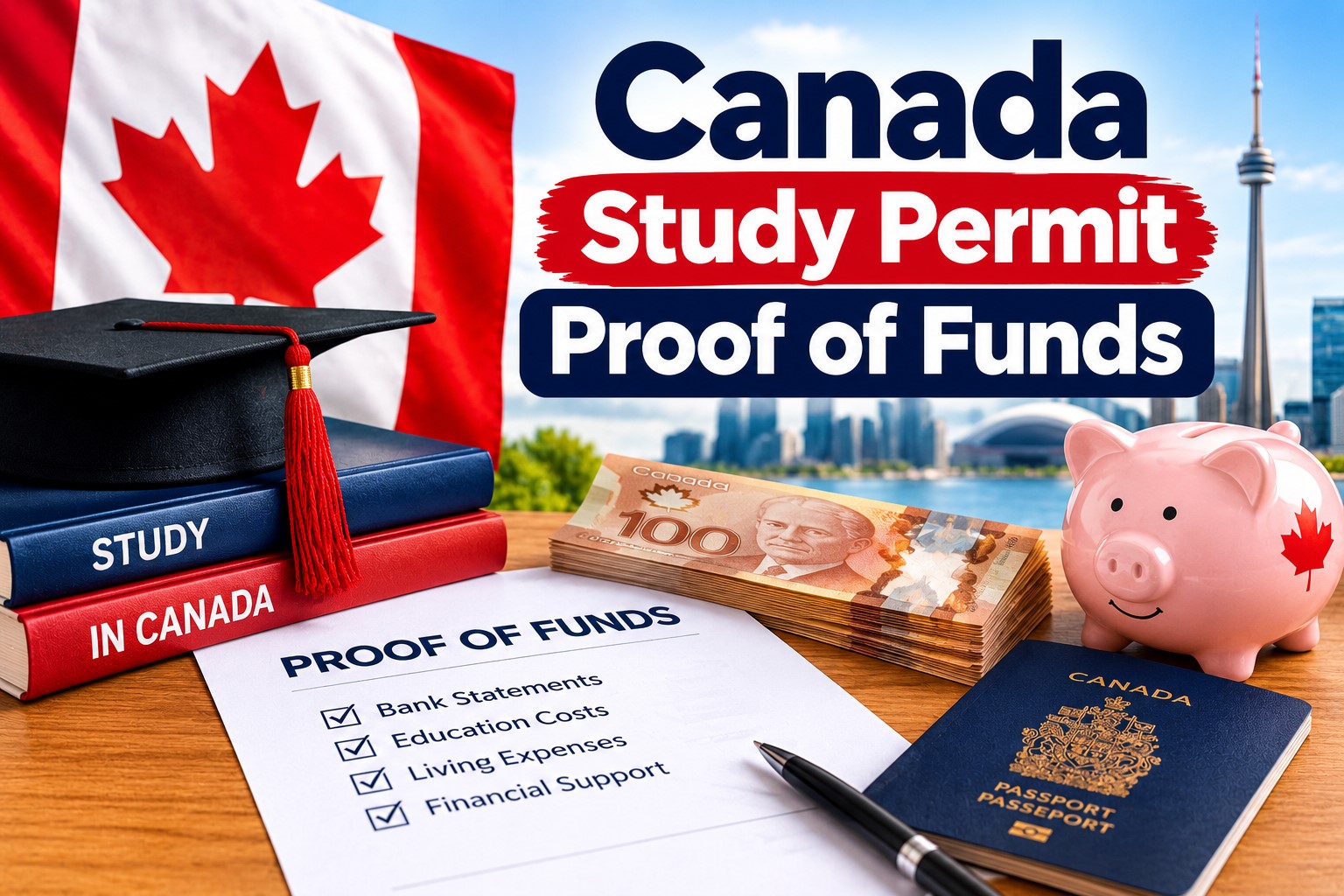
You must show that you can pay your tuition, living expenses, and transportation costs without relying on work in Canada. IRCC may accept documents such as bank statements, student loan documents, scholarship letters, tuition receipts, or evidence of financial support from a sponsor. You should also explain how you expect to fund the rest of your program if it lasts longer than one year. If a family member supports you, provide the requested evidence of the relationship and their ability to pay. Make sure any significant deposits or transfers can be explained and documented. Follow the current IRCC financial support requirements.
For applications submitted on or after September 1, 2026, a single applicant studying outside Quebec must demonstrate at least CAD $23,448 for one year of living expenses, excluding tuition and transportation. This is the federal minimum for financial evidence, not a promise that the money will cover every student’s real living costs in British Columbia. A student renting in Vancouver may need considerably more. You must also show funds for tuition and travel, and the required amount increases when family members accompany you. Check the official IRCC page for the latest amounts and the rules that apply on the date you submit your application.
Step 4: Prepare identity and supporting documents
Depending on your circumstances, you may need a valid passport, letter of acceptance, PAL if required, proof of funds, biometrics, medical examination results, or other supporting documents. Some applicants may need additional evidence based on their country of residence or individual history. Follow the official document checklist and ensure that names, dates, and personal details match across your records. If a document is not in English or French, you may need a certified translation. Do not submit altered or misleading documents because that can seriously damage an immigration application. Use the IRCC study permit document guidance to prepare your file.
Step 5: Submit the application and prepare for travel
Submit your application through the current IRCC process, pay the required fees, and complete biometrics if instructed. The standard study permit application fee is currently CAD $150, while an individual biometrics fee is generally CAD $85 when required. Check the official IRCC fee list before paying because fees can change and additional costs may apply. Monitor your application account for requests and respond within the stated deadlines. Avoid booking non-refundable travel before receiving the necessary approval. Once approved, read your letter carefully and confirm whether you also need a visa or electronic travel authorization to enter Canada.
Study permit checklist
| Item | What to check |
|---|---|
| University offer | Valid letter of acceptance and correct program details |
| DLI status | Confirm the institution meets the relevant requirements |
| PAL or exemption | Check the rules that apply to your program |
| Passport | Validity and matching personal details |
| Proof of funds | Tuition, living expenses, transportation, and funding source |
| Supporting documents | Transcripts, translations, and any requested evidence |
| Biometrics or medical exam | Complete them if required |
| Application fees | Confirm current official charges |
| Travel authorization | Check visa or eTA requirements |
| Final approval | Follow the instructions in your approval letter |
Can international students work while studying in British Columbia?
Eligible international students can generally work off campus for up to 24 hours per week during regular academic sessions under current Canadian rules. They may work unlimited hours during scheduled academic breaks if they meet the applicable conditions. However, not every international student qualifies, and your study permit conditions matter. You should confirm your eligibility before starting a job and review the official IRCC off-campus work rules. Employment can help you gain experience and manage some expenses, but you should not depend on finding a job to pay essential tuition or satisfy study permit financial requirements.
Some students work on campus, while others look for internships, co-op placements, or other work experience related to their degree. These opportunities can help you develop practical skills and professional contacts. However, a co-op placement may involve additional immigration requirements, so ask your university whether you need a co-op work permit or other authorization. Do not assume that every internship is automatically permitted because it is connected to your course. Your university’s international student advisers can help you understand the relevant conditions. Keep track of your working hours and ensure employment does not interfere with your academic responsibilities.
Can you stay in Canada after graduating from a BC university?
Some graduates can qualify for a post-graduation work permit, commonly called a PGWP. This permit can allow eligible graduates to gain Canadian work experience after completing their studies. However, graduating from a British Columbia university does not automatically make you eligible. The institution, specific program, study history, application timing, and other requirements may affect your eligibility. Before accepting an offer, review the official IRCC PGWP eligibility requirements.
You should check the program’s eligibility rather than relying only on the institution’s name. Certain programs may not qualify, and some applicants must meet language or field-of-study requirements depending on the rules that apply to them. These conditions can change, so verify them before choosing a program based on its potential immigration benefits. If you plan to remain in Canada after graduation, consider your intended occupation, the qualifications employers require, and the relevant professional licensing process. A degree can support your career plans, but it does not guarantee a job or permanent residence. Treat future immigration options as possibilities that require separate assessment.
Student life in British Columbia: Housing, transport, and healthcare
Your student experience will vary depending on where you study. Vancouver provides access to a large urban economy, public transportation, cultural events, and diverse employers. Victoria offers a coastal environment and a different pace of life, while Kelowna, Kamloops, Nanaimo, and Prince George provide other campus communities. These differences affect housing, transport, employment opportunities, and daily expenses. Research the neighbourhood around your campus before signing a lease. If you cannot visit in person, use official university campus tours and housing resources to understand the location.
Accommodation should be one of your first planning priorities. University residence can make it easier to meet other students and travel to class, but places may be limited and fees can be substantial. Private accommodation may offer flexibility, although you must check lease terms, utilities, transport, and whether the person offering the property is authorized to rent it. Be cautious of listings that demand immediate payment without a viewing or proper documentation. Never send money simply because a landlord claims that many other students want the room. Use your university’s housing office and reputable rental resources to reduce the risk of fraud.
Transport costs depend on where you live and which campus you attend. Students in Metro Vancouver may use public transit, while students elsewhere may need buses, cycling, walking, or other arrangements. Before choosing a cheaper room farther from campus, calculate the cost and time required to commute. Check whether your university offers a student transit pass and whether it is included in mandatory fees. Also consider the climate and budget for appropriate clothing, especially if you’re moving from a warmer region. Your housing choice should support your daily routine, not just look affordable in a rental listing.
Healthcare and insurance need attention before you arrive. International students should check their eligibility for British Columbia’s Medical Services Plan and any waiting-period or enrolment requirements that apply. Universities may also require students to purchase additional health insurance, particularly for periods when provincial coverage is unavailable or does not cover particular services. The rules and costs depend on your status and circumstances. Read the province’s official Medical Services Plan information and your university’s international student health coverage guidance. Do not assume every medical expense will be covered automatically.
Finally, make use of university support services. Many institutions provide orientation, academic advising, writing assistance, career services, counselling, international student advising, and student clubs. These resources can help you understand academic expectations and adapt to a new environment. Join activities that interest you and build relationships with classmates, lecturers, and professional groups. If you face academic or financial difficulties, seek help early rather than waiting until the end of a term. A successful university experience depends on more than attending classes; it also involves looking after your wellbeing and using the support available.
Common mistakes to avoid when studying in British Columbia
One common mistake is choosing a university based only on its ranking. A highly ranked institution may have an excellent reputation, but it may not offer the best program for your goals or financial circumstances. Compare curriculum, admission requirements, teaching approach, internships, research opportunities, and student support. You should also consider whether the campus and city suit your preferred lifestyle. A university that fits your academic and personal needs may be a better choice than one selected only for its name.
Another mistake is underestimating the total cost of attendance. Tuition is only one part of your budget, and housing can make a major difference in British Columbia. Include food, transport, insurance, books, phone service, travel, and emergency savings. International applicants must also meet the applicable financial evidence requirements for their study permit. Do not depend on part-time employment to cover a shortfall because jobs are not guaranteed and work is subject to immigration conditions. Prepare a realistic budget for the entire degree before accepting an offer.
Applicants can also miss deadlines or overlook supplementary requirements. Some programs ask for portfolios, personal profiles, interviews, references, or specific prerequisite subjects. A general university application may not complete every part of the admissions process. Keep a calendar of deadlines and monitor your application portal for messages. If you receive a conditional offer, record every condition and the date by which you must meet it. Submit accurate documents and respond promptly to university requests.
International students should avoid assuming that admission guarantees a study permit or that every program leads to a post-graduation work permit. Universities make admission decisions, while immigration authorities apply federal eligibility rules. You must meet the requirements that apply to your own application and provide credible evidence of financial support. Check program eligibility before making a decision based on future work options. Immigration rules can change before you graduate, so avoid making long-term plans that depend on an unguaranteed outcome.
Finally, be careful with outdated scholarship information and unsupported acceptance-rate claims. Award values, eligibility conditions, tuition fees, and immigration requirements can change each year. A scholarship mentioned in an old article may no longer be available for your intake. An acceptance rate from an unofficial website may use an unclear definition or incorrect data. Verify important claims through official university pages, Statistics Canada, the provincial government, or IRCC. This is especially important when you are making a major financial commitment or moving internationally.
Frequently asked questions about studying in British Columbia
Is British Columbia a good place for international students?
British Columbia offers a range of universities, academic programs, research opportunities, and campus environments. Vancouver provides access to a large urban economy, while Victoria, Kelowna, Kamloops, and other communities offer different lifestyles. However, housing and tuition can be expensive. The best choice depends on your academic interests, budget, and career plans. Compare British Columbia with other Canadian provinces before making your decision.
How much does it cost to study in British Columbia?
Statistics Canada’s 2025–2026 average undergraduate tuition figures were approximately CAD $6,862 for domestic students and CAD $39,851 for international students in British Columbia. Living expenses and other charges are additional. Your actual tuition depends on the university, program, and course load. Use the institution’s current fee schedule and prepare a separate living-cost budget. The total cost can differ substantially from the provincial average.
Which university is best in British Columbia?
There is no single best university for every student. UBC, SFU, UVic, UNBC, TRU, VIU, UFV, and other institutions have different programs and campus experiences. Compare the exact degree, entry requirements, tuition, scholarships, housing, and career opportunities. If you are an international applicant, also verify the relevant immigration requirements for your program. Choose based on academic fit and affordability rather than ranking alone.
Can international students receive scholarships in British Columbia?
Yes. Some universities offer international entrance scholarships, merit awards, need-based awards, and other funding opportunities. Eligibility and award values differ by institution and program. UBC, for example, lists merit-based entrance awards and a separate International Scholars Program for eligible applicants. Check current university pages for deadlines and conditions. Do not assume that every international applicant receives a scholarship or that an award covers all expenses.
Do I need IELTS to study in British Columbia?
Not every university requires IELTS specifically, but you may need to demonstrate English-language proficiency. Accepted tests and minimum scores vary by institution and program. Some applicants may qualify for an exemption based on their previous education. Review the exact language requirements before booking a test. An exemption accepted by one university may not apply at another.
Do all international students need a provincial attestation letter?
No. Many applicants need a provincial attestation letter, but exemptions apply to certain categories and programs. The rules depend on your circumstances and the federal requirements in force when you apply. Check the current IRCC PAL and TAL guidance before submitting your application. Do not assume that every student either needs a letter or qualifies for an exemption.
Can I work while studying in British Columbia?
Eligible international students can generally work up to 24 hours per week off campus during regular academic sessions and may work unlimited hours during scheduled breaks if they meet the applicable conditions. Not every student is eligible, and your permit conditions matter. Confirm your eligibility before starting employment. You should also have enough money to support yourself without relying on future earnings. Read the official IRCC guidance for current details.
Can I stay in Canada after graduating?
Some graduates may qualify for a post-graduation work permit if they meet the applicable requirements. Eligibility depends on factors such as the institution, program, study history, and current immigration rules. Graduation alone does not guarantee a work permit or permanent residence. Check the federal eligibility guidance before choosing a program based on future immigration options. Your career and immigration plans should be assessed separately.
Are university acceptance rates in British Columbia reliable?
They can be useful when the university clearly defines the measure and publishes the underlying figures. However, offer rates, enrolment rates, and admission averages are different statistics. Competitiveness also varies by program and applicant category. If official year-by-year acceptance-rate data are unavailable, do not rely on an unsupported percentage. Compare program prerequisites and published admission profiles instead.
Conclusion: Plan your British Columbia education carefully
Studying in British Columbia can provide access to respected universities, diverse programs, research opportunities, and career networks. The most important decision is finding a course and institution that match your academic background, financial situation, and longer-term goals. Compare universities using official program information, estimate tuition and living expenses together, and research scholarships early. International applicants should confirm the current study permit requirements, financial evidence, PAL rules, and any work-permit eligibility that affects their plans. Careful preparation can help you avoid costly mistakes and choose a university where you can thrive.
Start with a shortlist of three to six universities and compare the same details for each institution. Record the admission requirements, deadlines, tuition, living costs, scholarships, and student support available. Use previous-year statistics to understand trends, but only when the data are comparable and clearly sourced. Keep copies of your application documents, offer letters, funding confirmations, and immigration records. With realistic financial planning and reliable information, you can make a more confident decision about studying in British Columbia.
References and authoritative resources
-
Government of British Columbia: Postsecondary education — provincial education information.
-
Statistics Canada: Tuition in Canada, 2025–2026 — tuition trends and year-on-year comparisons.
-
Statistics Canada: Average undergraduate tuition by province — provincial tuition comparisons.
-
EduCanada: Study costs for international students — national tuition and funding information.
-
EducationPlannerBC — postsecondary program research and applications.
-
StudentAid BC — student financial assistance for eligible applicants.
-
IRCC: Study permit eligibility — federal study permit requirements.
-
IRCC: Proof of financial support — financial evidence and minimum living-expense amounts.
-
IRCC: Provincial attestation letters — PAL and TAL requirements.
-
IRCC: Work off campus — international student employment rules.
-
IRCC: Post-graduation work permit eligibility — eligibility for graduates.
-
QS World University Rankings — international university comparisons.
-
Times Higher Education World University Rankings — institutional and research comparisons.
Editorial note: The tuition comparisons use Statistics Canada’s 2025–2026 figures, while the individual university fee examples reflect the published 2026–2027 information available from the institutions. The study permit financial requirement reflects applications submitted on or after September 1, 2026.
Also Check:
Study in Northern Ireland: Universities, Costs and Visas
Study in Wales: Universities, Costs and Visas
Study in Scotland: Universities, Costs and Visas
Study in Cardiff: Universities, Costs and Visas
Study in London: Universities, Costs and Visas